Pennsylvania Skill Games Operator Will Shut Down Machines Before October 14 Enforcement Date
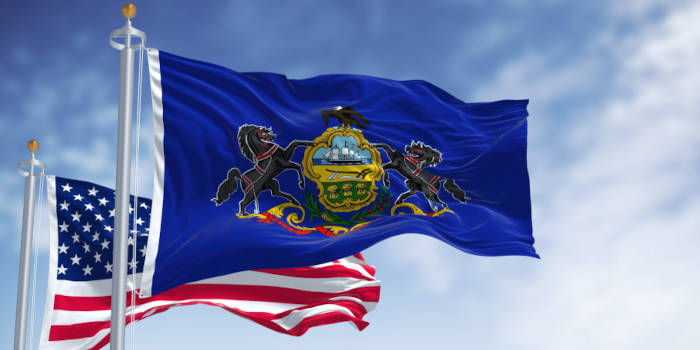
Miele Manufacturing, one of the largest providers of skill-game machines in Pennsylvania, says it will turn off its devices during the next collection period ahead of the state’s October 14 enforcement deadline. The catch is that Pennsylvania Attorney General Dave Sunday has already said unplugging the machines may not be enough if the devices are still sitting in host locations.
- Miele sells Pennsylvania Skill cabinets across the state and works with Pace-O-Matic (POM) to provide the game software. The company also uses affiliated businesses, including Miele Amusements and Pennsylvania Amusements, to operate the machines.
- According to information sent to host businesses this week, the company’s operating divisions plan to switch off the machines the next time they collect money from locations. It was not clear whether the devices would also be removed from the businesses where they are installed.
- The shutdown is scheduled to happen before October 14, when Pennsylvania officials are expected to begin enforcing the state Supreme Court’s decision on skill games. The machines are common in convenience stores, bars, restaurants, and small businesses.
- Sunday recently warned business owners that enforcement action could still follow even if the machines are unplugged or disabled. He urged affected businesses to contact their distributors and have the machines taken away. The enforcement date could trigger seizures of machines and money, forfeiture proceedings, and criminal charges against businesses that keep the devices on.
- The dispute stems from a June Pennsylvania Supreme Court ruling that said the machines fit the state’s legal definition of slot machines, despite features that allow players to affect the outcome. The court rejected the argument that player skill makes them legally distinct from traditional gambling machines, pointing to changes to Pennsylvania’s Gaming Act in 2017. There are an estimated 70,000 devices in operation.
The Supreme Court initially gave a 120-day window before its ruling took effect, giving lawmakers time to consider legislation for a formal regulatory system. The Pennsylvania General Assembly is still weighing proposals, including limits on how many machines can be placed in a single business and taxes on profits.
Related news
All news →Volt gets Australian Financial Services Licence from ASIC, adding Australia to its direct regulatory footprint alongside the UK and EU
Brazil’s iGaming ban sends offshore share to 9.9% as affiliate coverage drops 41.5% in a week

Flamengo joins Brazil’s Supreme Court challenge to the federal ban on fixed-odds betting
Weekly high-risk digest
Regulation, sanctions and payment news across your verticals — once a week, free.
Please check your inbox and click the link to confirm your subscription.
Please enter a valid email address!