The Lula administration’s anti-bets push is coming from Secom, not from a technical or regulatory decision
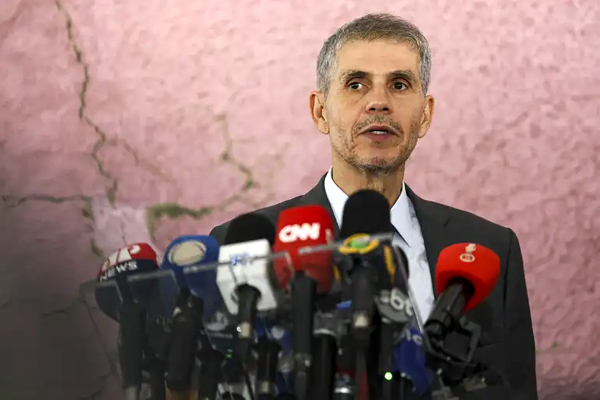
Brazil’s latest talk of tighter rules for online sports betting is being driven by the Secretariat of Social Communication (Secom), according to an anonymous minister quoted by Lauro Jardim in O Globo. For PSPs and acquirers, the important part is simple: this is being framed as political communication, not a sector-specific regulatory response, which makes the direction of travel harder to read from the usual policy signals.
- The initiative is being led by Sidônio Palmeira, head of Secom, who believes an attack on online sports betting operators could improve President Lula’s approval ratings. In other words, the logic is political and instrumental, not based on a technical diagnosis of the sector.
- Rumors had circulated for 15 days before Sunday, 13/9, that Lula was about to issue a provisional measure (MP) to tighten betting rules. The reporting says that version is wrong: “There is nothing like that on the agenda. This is Sidônio’s thing,” the minister said anonymously.
- The column’s account flips the causality of the debate. This is not the government reacting to a documented betting problem and then drafting regulation; it is the communications arm deciding to target bets because it may help the president politically.
- A total ban would have direct payment consequences. The text says it would push demand into illegality and remove any protection for bettors, which is exactly the kind of shift that tends to move volume away from monitored rails and into harder-to-control channels.
- The government also faces a fiscal dependency on the sector and says it would struggle to replace the revenue generated by bets. Media outlets and football, both heavily reliant on sponsorship money from bookmakers, would also be hit by tougher measures.
For high-risk payment players, the signal here is not that Brazil has already changed course. It is that the debate may be shaped first by political messaging and only later, if at all, by formal regulatory action. That usually means more noise before there is actual policy.
Related news
All news →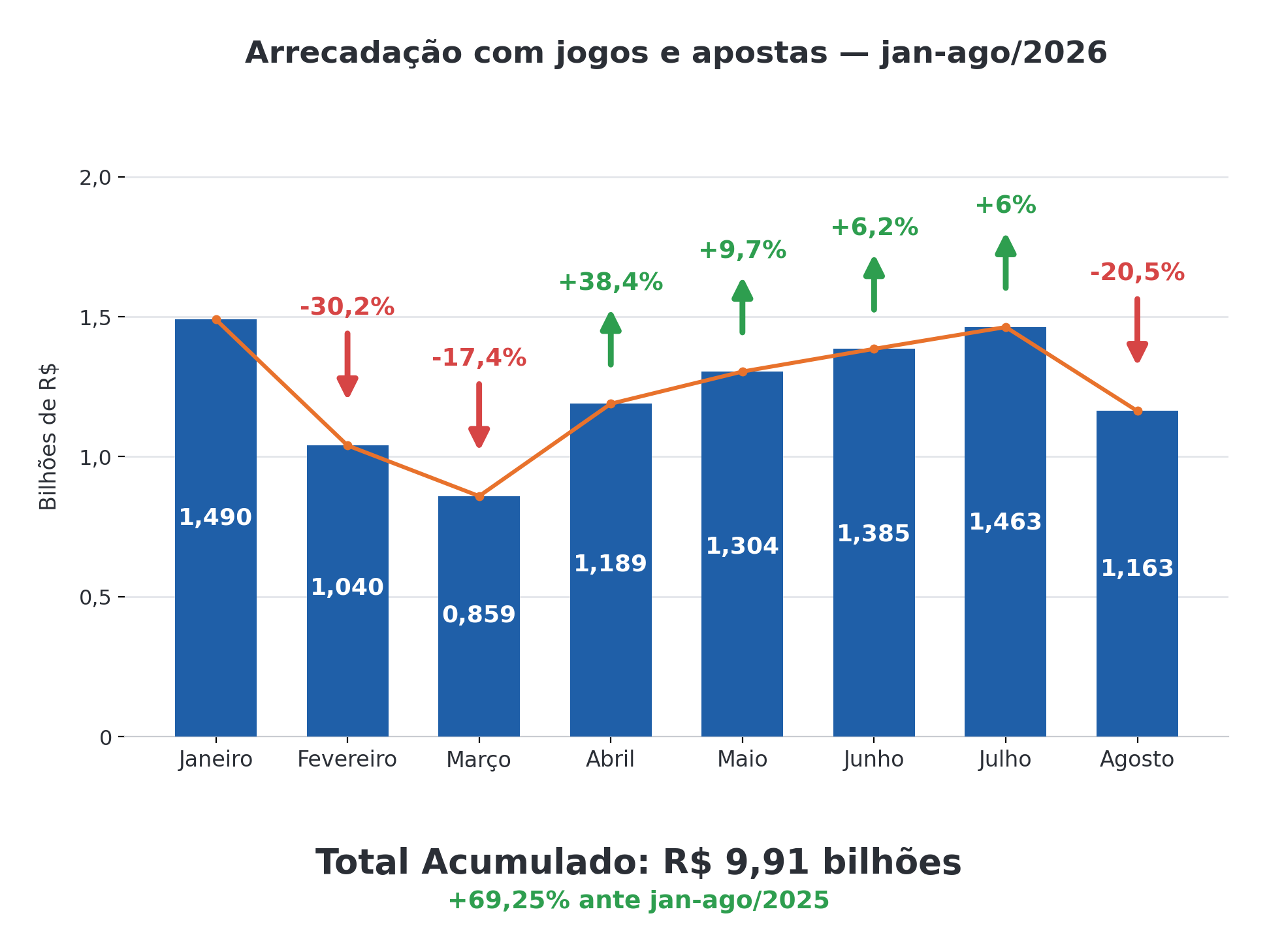
Brazil collected R$ 9.91 billion from betting and gambling taxes from January to August 2026

Sports betting sponsorships in Brazilian football reached R$ 1.03 billion in 2025 as clubs face R$ 17.3 billion in debt
First Dutch online gambling licence renewals confirmed ahead of 2026 expiry
Weekly high-risk digest
Regulation, sanctions and payment news across your verticals — once a week, free.
Please check your inbox and click the link to confirm your subscription.
Please enter a valid email address!