UKGC transaction data shows illegal gambling is often an addition, not a substitute in Great Britain
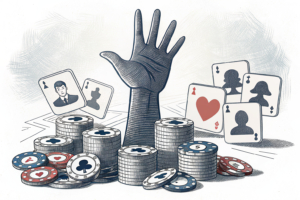
The UK Gambling Commission has used anonymised Open Banking transaction data to look at how consumers in Great Britain actually interact with unlicensed gambling operators. The useful bit for payment teams: the study suggests illegal play does not necessarily pull spend away from licensed merchants, and that users of unlicensed operators are more likely to sit in moderate-risk and problem gambling categories.
- The regulator’s new technical report is based on a large anonymised dataset of bank transactions from Great Britain residents, rather than web traffic estimates, online surveys, or focus groups. That matters because the Commission says it allows direct observation of consumer behaviour in the illegal market instead of relying on indirect signals.
- According to Postdoctoral Data Scientist Steven Murphy, the research did not find a notable drop in average transactions with licensed companies in the months before and after an individual was first detected transacting with an unlicensed operator. In other words, illegal gambling activity appears to be supplementary to legal gambling, not a clean replacement.
- The findings line up with the Commission’s earlier Consumer Voice research, which the report cites as also pointing to illegal gambling being usually supplementary to legal gambling. For licensed operators and PSPs, that means the presence of black-market activity is not, by itself, evidence that customers have abandoned regulated channels.
- The study also found that consumers who used illegal operators were more likely to fall into moderate-risk and problem gambling categories than those using only licensed firms. For payments stakeholders, that is the part that tends to matter most: the unlicensed channel is not just a routing issue, it is tied to a higher-risk customer segment.
- The Gambling Commission described the project as a “powerful proof of concept” for using financial transaction data to improve understanding of illegal gambling. The report follows an April update on trends in the illegal market and the regulator’s methods for estimating them.
The Commission’s point is fairly simple: if you want to understand the black market, transaction data gets you closer to actual behaviour than traffic estimates and survey answers do. For acquirers, PSPs, and banks supporting gambling merchants in Great Britain, that means the line between legal and illegal activity is not always a zero-sum transfer of spend; sometimes the same consumer is active in both, with risk concentrating around the unlicensed side.
Related news
All news →
Weekly high-risk digest
Regulation, sanctions and payment news across your verticals — once a week, free.
Please check your inbox and click the link to confirm your subscription.
Please enter a valid email address!