British Gambling Commission details how illegal lotteries on TikTok, Facebook and Instagram pull in consumers
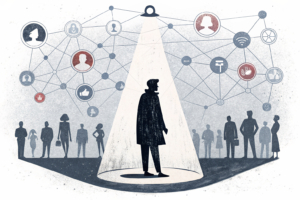
The British Gambling Commission has published research on how UK consumers encounter and join illegal lotteries and raffles run by individuals on TikTok, with similar activity also examined on Facebook and Instagram. For PSPs, the important bit is not the raffle itself but the payment path: these offers often move quickly from social posts into third-party websites, payment platforms and private messaging channels.
- The regulator said it commissioned the research to close gaps in its understanding of why consumers take part in these draws and what their journeys look like. The work was a three-stage mixed-methods project conducted by Yonder Consulting.
- The first stage used a digital intelligence approach to analyse public raffle-related conversations on TikTok, mapping how the ecosystem works in real-world online environments. According to the commission, consumers often discover these illegal lotteries and raffles through livestreams, recommendations and reposts, and participation can then extend beyond TikTok through payment platforms and other third-party channels.
- The research also looked at the cues hosts and participants use to signal trust and legitimacy. That matters because the commission found consumers were generally more concerned with whether a raffle seemed genuine and offered a realistic chance of winning than whether it was being run legally.
- Low ticket prices, informal presentation and the ability to use familiar payment methods often reduced consumers’ perception of risk. In practice, that means the payment layer can help an illegal offer look ordinary long before anyone asks whether the operator is licensed.
- The commission said some smaller-scale hosts may not fully understand the rules themselves, while others appeared to use language and payment practices to obscure what they are doing. It added that the greatest risks to consumers were often not in the original posts, but in being directed to third-party websites, payment platforms or private messaging channels where terms and conditions, protections and legitimacy can be much less clear.
The survey found that people aged 18 to 24 were more likely to have participated in illegal lotteries on TikTok, although the commission said this demographic was difficult to recruit for the research. For high-risk payment providers, the signal is straightforward: if a social-led promotion pushes users off-platform into a payment flow, the risk does not stay on TikTok.
Related news
All news →
Weekly high-risk digest
Regulation, sanctions and payment news across your verticals — once a week, free.
Please check your inbox and click the link to confirm your subscription.
Please enter a valid email address!