Sberbank to launch crypto trading infrastructure in Russia by Dec. 1 as new market rules take shape
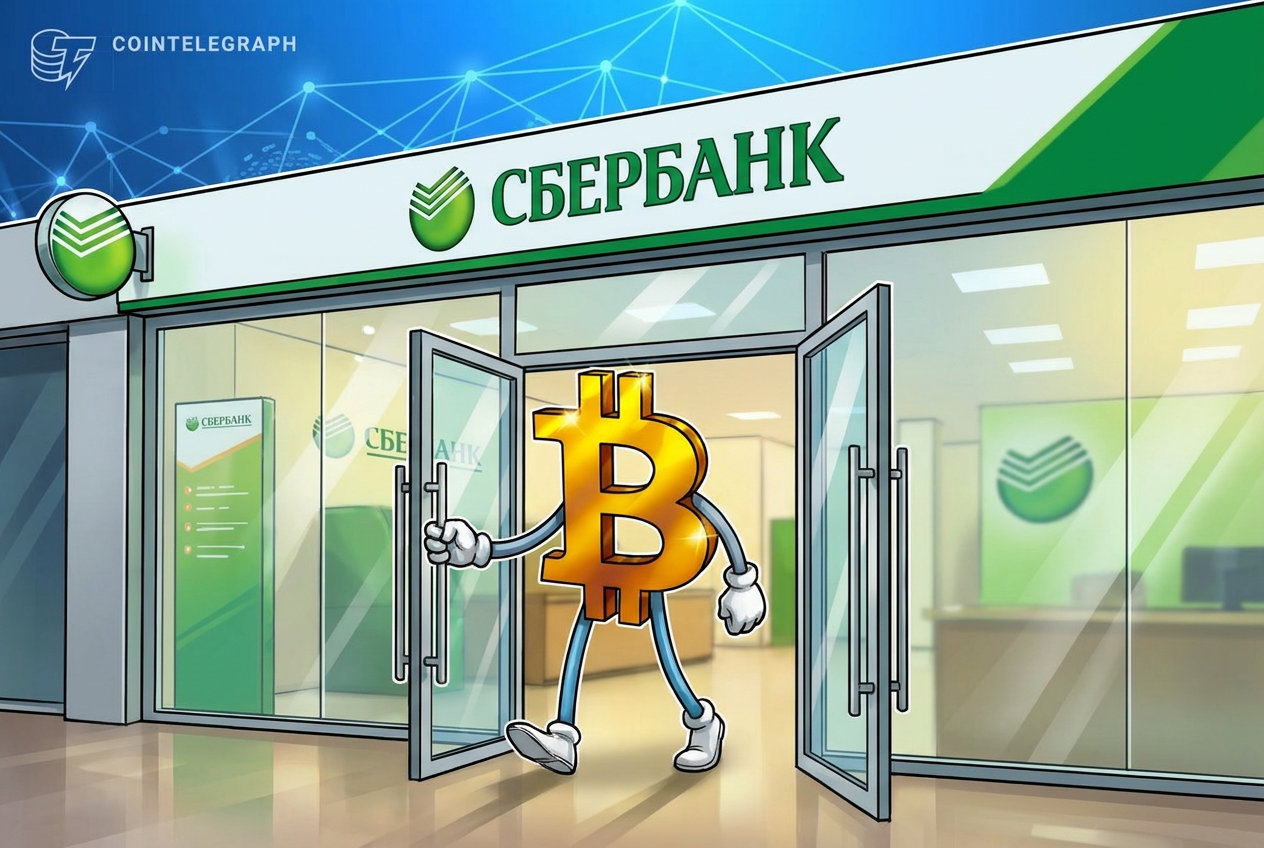
Russia’s biggest bank is building the plumbing for regulated crypto trading, custody and settlement, with a digital depository due no later than Dec. 1. For PSPs and banks watching the high-risk stack, the useful bit is simple: Russia is moving from ad hoc crypto activity toward a framework with named market participants, rules on custody, and a central bank with real control over what gets listed.
- Sberbank said it plans to build cryptocurrency trading infrastructure, including a digital depository, no later than Dec. 1. According to Interfax, the depository will record ownership of cryptocurrency and process most transactions outside the main blockchain.
- Alexander Vedyakhin, first deputy chairman of Sberbank’s management board, said the new setup will include a digital depository that “will maintain records of clients’ cryptocurrency rights and account for transactions outside the main blockchain.” He added that it will also support active wallets for client-initiated deposits, withdrawals and transfers.
- Russia’s lawmakers earlier this month completed final readings on a bill that would regulate digital asset activity, moving the country closer to its first comprehensive crypto market framework. The bill would give the Bank of Russia broad oversight of the regulated market, including authority to decide which crypto assets may be offered through licensed intermediaries and to issue implementing regulations.
- The central bank has already set liquidity thresholds for the market, including an average market capitalization of more than 5 trillion rubles (~$64 billion) and an average daily volume of more than 1 trillion rubles (~$12.8 billion) over two years. Once the framework takes effect on Sept. 1, 2026, it creates five categories of regulated market participants: crypto exchanges, brokers, asset managers, custodians and exchange service providers.
- The timing matters because Moscow is building this infrastructure while the European Union is tightening sanctions on Russia. Last week, the bloc listed cryptocurrency exchange HTX, formerly Huobi Global, and on Thursday the European Council amended its measures to include HTX in a list of 18 entities “providing crypto-assets services or payment services established outside of the Union that are significantly frustrating the purpose of the prohibitions” against Russia.
For high-risk PSPs, the operational question is no longer whether crypto touches regulated finance in Russia; it is which entities will be allowed to hold, intermediate and settle it once the new regime is live. If you service the region, the Bank of Russia’s licensing and asset-eligibility decisions are the parts to watch, not the headlines.
Related news
All news →Brazil’s illegal iGaming share could rise from 41% to 82% if online casinos are banned, says ANJL
Thailand, India, Bangladesh, and Turkey step up arrests tied to offshore iGaming payment networks
/https://i.s3.glbimg.com/v1/AUTH_da025474c0c44edd99332dddb09cabe8/internal_photos/bs/2026/U/t/AAkEuVQAizKp3XWgB4KA/whatsapp-image-2026-08-30-at-17.16.23.jpeg)
Série A clubs get about 7% of their revenue from betting sponsors, with no deal above 13% of any club budget
Weekly high-risk digest
Regulation, sanctions and payment news across your verticals — once a week, free.
Please check your inbox and click the link to confirm your subscription.
Please enter a valid email address!