GAT Brazil Puts Regulation, Compliance and Illegal Gambling in Focus as Regulated Betting Hits R$37 billion GGR in First Year
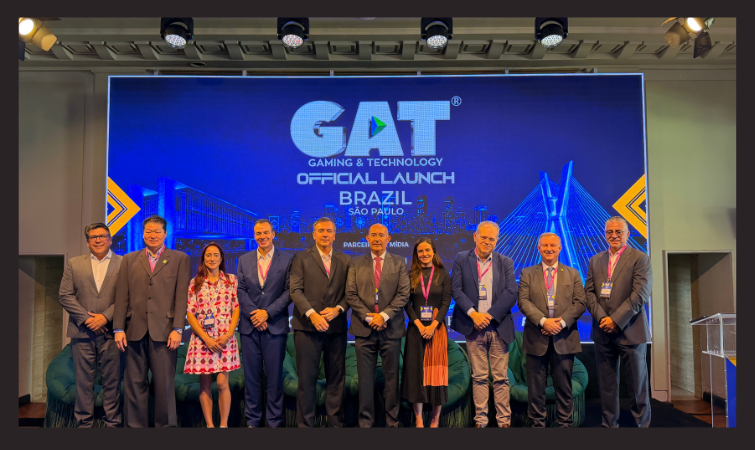
The inaugural GAT Brazil put a fairly blunt question at the center of the conversation: how do you keep Brazil’s regulated gaming market growing without letting the illegal market eat the upside? The short answer from regulators, operators, suppliers and lawyers was governance, compliance, responsible gaming, and tighter control over who gets to touch the payment flow.
- Alex W. Pariente, Founder of Pariente Advisory and Chair of GAT Brazil, said Brazil’s regulated betting market generated approximately
R$37 billionin Gross Gaming Revenue (GGR) during its first year, while a similar amount still circulates through illegal operators. That is the number PSPs and acquirers should care about: for every licensed flow, there appears to be a shadow flow of similar size. - Speakers repeatedly pointed to governance, responsible gaming, institutional cooperation and more effective action against illegal operators as the ingredients for sustainable growth. The thing is, on paper that sounds broad; in practice it means regulators and payment providers need cleaner controls around merchant onboarding, monitoring and enforcement if Brazil wants channelization to improve.
- Brazil’s Secretariat of Prizes and Betting (SPA) was described as having made significant regulatory progress, but panelists said its operational capacity still needs to be strengthened. For licensed PSPs and compliance teams, that usually translates into a market where the rulebook is moving in the right direction, but execution still matters a lot.
- Leonardo Baptista, CEO of Pay4Fun, stressed the need to prevent financial service providers from serving licensed and illegal operators at the same time. Other panelists backed stronger institutional cooperation, which is another way of saying the payment stack is part of enforcement, not just plumbing.
- Technology-provider licensing also came into view, with representatives from Gaming Laboratories International (GLI), SoftConstruct, Cactus Gaming and ABRAJOGO agreeing that certifying the entire supply chain would help create a more transparent and sustainable ecosystem. Payment providers, gaming platforms and compliance technologies were all named as candidates for certification, which matters because Brazil appears to be moving toward scrutinizing not just operators, but the infrastructure around them.
José Aníbal Aguirre, Founder and CEO of GAT Events, also announced the First Latin American Responsible Gaming Congress, scheduled for São Paulo in October 2027. Liliana Costa, Latin America Director at World Gaming Business, said Brazil remains one of the industry’s most promising markets and that the organization wants to increase the country’s international visibility.
Related news
All news →


Weekly high-risk digest
Regulation, sanctions and payment news across your verticals — once a week, free.
Please check your inbox and click the link to confirm your subscription.
Please enter a valid email address!