Brazil’s SPA/MF warns licensed sportsbooks on beneficiary identification before offering bets

The Ministry of Finance has told licensed sports betting operators in Brazil that no competition may be offered for betting until the beneficiaries of image-rights and intellectual-property transfers are identified in advance, with distribution criteria and payment methods already defined. For PSPs and acquiring partners, the message is simple: if the competition’s payout framework is not set before launch, the betting market itself is irregular from day one.
- The warning came in Ofício Circular SEI nº 1535/2026/MF, sent on Monday (11/9) by the Coordenação-Geral de Fiscalização de Apostas (CGFA) and the Coordenação de Fiscalização de Loterias e Destinações (CFLD), both under the Secretaria de Prêmios e Apostas (SPA/MF), to the legal representatives of all operators authorized to operate in Brazil.
- The circular says it is reinforcing obligations already set out in three legal instruments: Lei nº 13.756, de 12 de dezembro de 2018; Lei nº 14.790, de 2023; and Portaria SPA/MF nº 41, de 10 de janeiro de 2025. Together, those rules require transfers to entities in the Sistema Nacional do Esporte to be calculated proportionally to the revenue generated by each competition and distributed according to the competition rules or an equivalent instrument.
- Portaria SPA/MF nº 41 requires each competition’s rules to include five items before any betting market can be made available: the split of funds among beneficiaries; identification of the competition organizers; identification of the sports entities taking part; identification of the athlete beneficiaries; and the procedures and payment methods for making the transfers.
- The Manual de Orientações para Operacionalização, Cálculo e Pagamento dos Repasses Diretos, prepared by SPA/MF itself, says the order matters: beneficiaries must be identified before betting is offered. The manual is explicit that “the offering of bets without prior stipulation of the split in the rules or a similar instrument is irregular.”
- CGFA/CFLD also flagged a recurring operator argument: that transfers could not be made because beneficiary banking details or payment information were missing. SPA/MF rejects that explanation, saying the absence of those details is itself evidence of non-compliance, because the procedures and payment methods were supposed to be defined before the market opened in the first place.
For high-risk operators, the practical takeaway is not subtle. In Brazil, the payment obligation is not a post-event back-office issue; it is part of the pre-launch compliance file. If the revenue-sharing chain is not documented before odds go live, the regulator treats the betting offer itself as irregular.
Related news
All news →UPI adds 0.4% MDR on P2M payments above ₹2,000 in India from 15 October

Brazil’s 2026 presidential campaign turns betting into a fiscal issue, with six camps split on taxes, ads, and outright bans
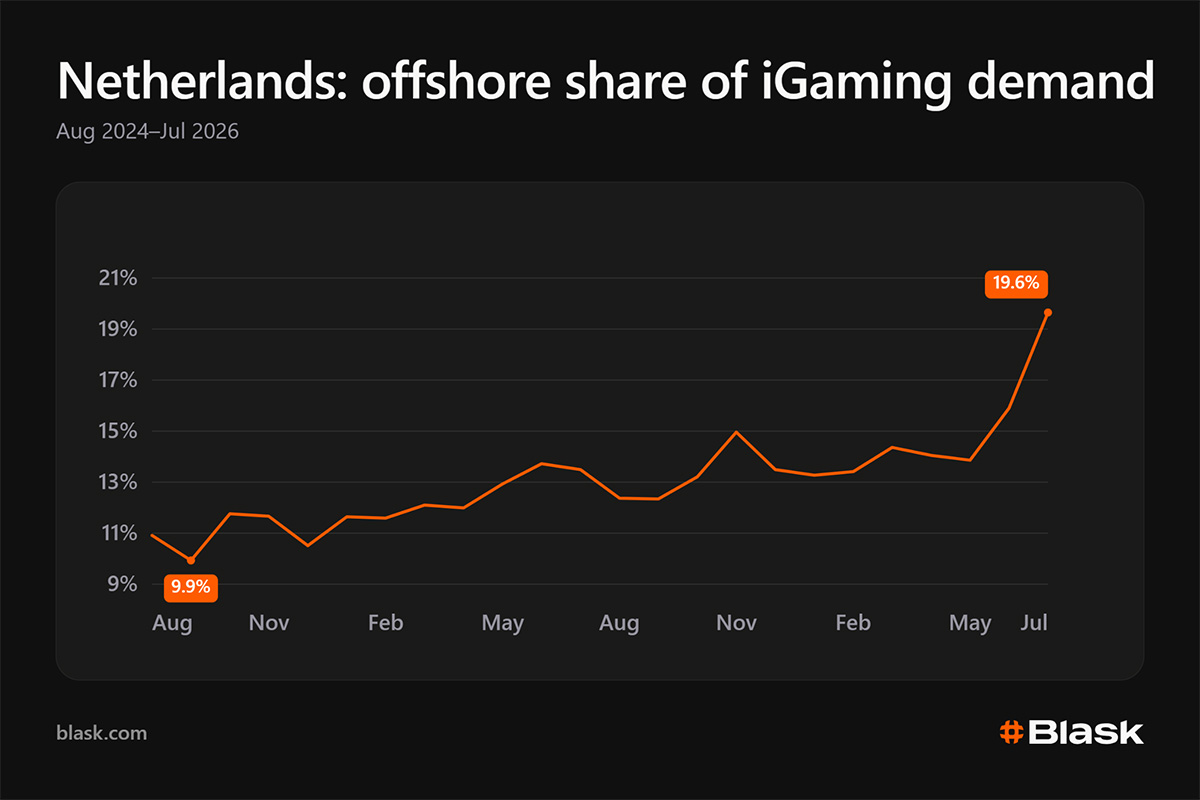
Dutch iGaming demand shifts toward offshore brands as Blask tracks July 2026 market changes
Weekly high-risk digest
Regulation, sanctions and payment news across your verticals — once a week, free.
Please check your inbox and click the link to confirm your subscription.
Please enter a valid email address!