Brazil’s Supreme Court weighs whether gambling can still be a crime 85 years on
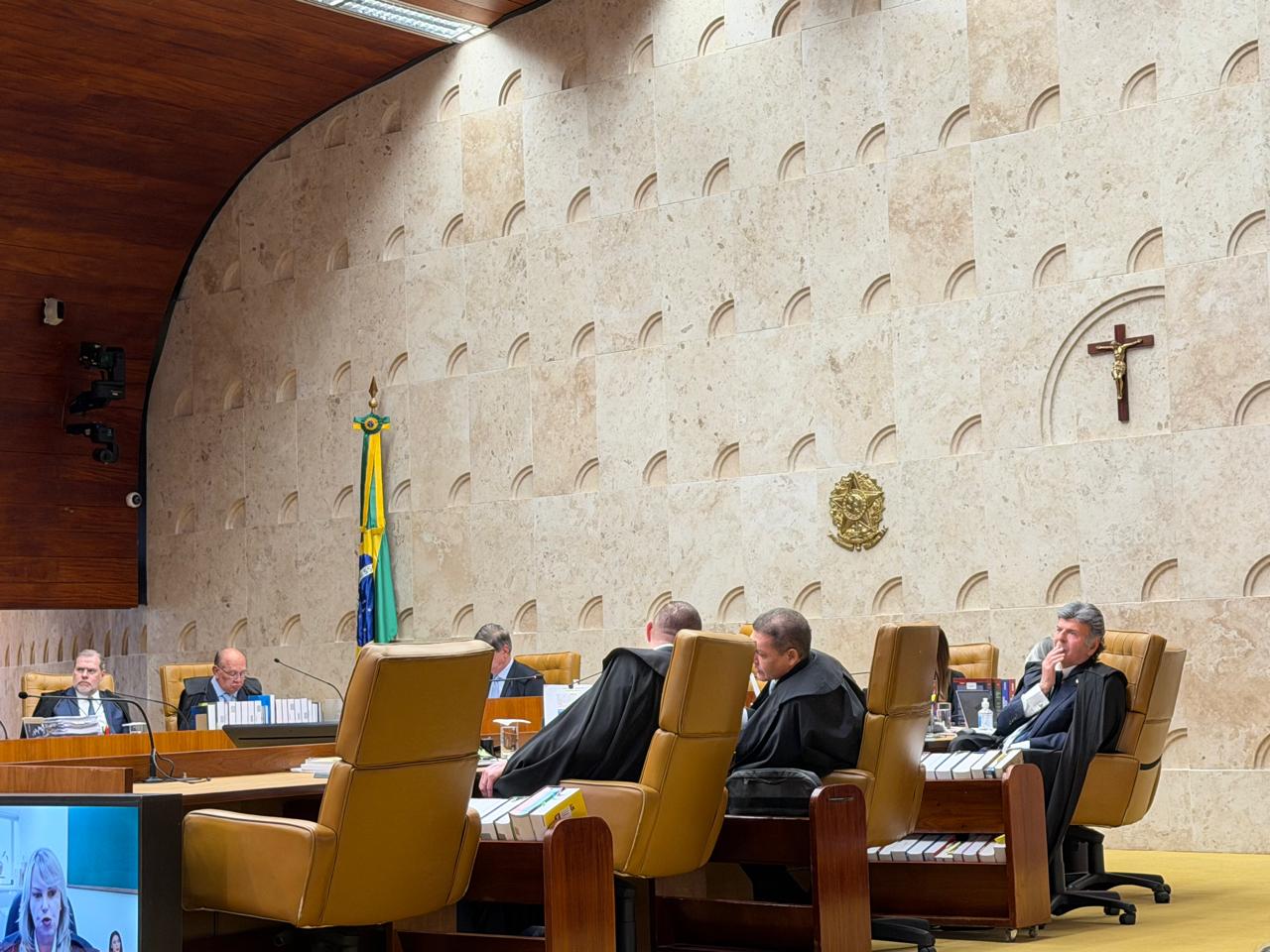
The Brazilian Supreme Court (STF) is hearing whether the criminal ban on gambling, set out in a 1941 law, still survives under the 1988 Constitution. For high-risk operators and their payment partners, the answer matters because it shapes how Brazil draws the line between prohibited gambling, regulated betting, and the kinds of payment flows regulators are willing to tolerate.
- The dispute centers on
article 50ofDecree-Law 3,688, the Law of Penal Contraventions, which criminalizes the exploitation of games of chance. The STF is deciding whether that rule was received by the 1988 Constitution, and the ruling will have binding effect nationwide underTheme 924, approved by a9-1vote almost a decade ago. - On the prosecution side, Flávia Mauch, representing the Public Prosecutor’s Office of Rio Grande do Sul, argued that the rule remains valid because it protects public order, collective health, and the dignity of people in vulnerable situations. She said the constitutional test has to cover both the prohibition of excess and the prohibition of insufficient protection, not just whether the state went too far.
- The prosecution built its case on three layers: a legitimate constitutional aim; historical continuity, including the return to prohibition under
Decree-Law 9.215 of 1946, whose constitutionality the STF has already recognized; and the connection between illegal gambling and serious crime such as money laundering, drug trafficking, corruption, and smuggling of slot machines. - Mauch also pointed to two independent reasons to keep criminalization on the books: ludopathy (gambling disorder), recognized in both the DSM and the ICD, and over-indebtedness, which Brazilian lawmakers expressly recognized in
Law 14.181 of 2021. On theBets Law, signed in2023, her position was blunt: regulating sports betting did not make gambling lawful in general; it just replaced a prohibition-based model with intensive regulation.
The thing is that, in Brazil, payment rules tend to follow legal classification. If the STF keeps gambling inside the criminal box, that has obvious implications for acquirers, PSPs, and banks deciding whether a merchant is regulated betting or a prohibited gaming operator.
Related news
All news →
US leagues back permanent bans for bettors who threaten athletes, as Brazil’s regulated sports betting market takes the same integrity debate
Vladivostok court sentences iGaming organizers to up to 18 years over 2018–2022 land-based online casino operation
Softswiss faces fresh allegations over ties to a network of unlicensed online casinos
Weekly high-risk digest
Regulation, sanctions and payment news across your verticals — once a week, free.
Please check your inbox and click the link to confirm your subscription.
Please enter a valid email address!