UK, Moldova, Thailand, Indonesia, and the Netherlands: seven gambling and payments headlines with direct PSP impact
This week’s batch is less a single story than a useful map of where payment friction is moving next: Moldova may tax sportsbook deposits and lottery ticket purchases at 6%, the UK is floating a higher machine-games tax, and Thailand is looking at a gold transaction tax in its anti-money-laundering push. For high-risk PSPs, the detail that matters is simple: taxes and enforcement keep showing up at the point of payment, not just at the license.
- In Moldova, authorities may introduce a 6% tax on money deposited to bookmaker accounts and on lottery ticket purchases. For operators, that means the charge would sit directly on top of the deposit flow, which is exactly where payment conversion tends to get expensive already.
- In the United Kingdom, the government may raise the tax on gaming machines to 40%. That is the kind of change that lands in the operator’s margin model first, but it also tends to affect payment volume, promo spend, and how aggressively a merchant keeps traffic alive.
- In Thailand, authorities are considering a tax on gold transactions as part of an anti-money-laundering effort. Even though this is not a gaming story on its face, it is the same pattern high-risk processors know well: once a transaction type is pulled into AML policy, the payment stack usually gets more scrutiny too.
- In Indonesia, five people from Vietnam and China were arrested on suspicion of running financial processes for online casinos aimed at the Vietnamese market. For PSPs and acquirers, this is the operational part of the story: the authorities are not only chasing operators, but also the people moving the money behind the scenes.
- In Kazakhstan, two officials reportedly placed bets totaling 7.7 million tenge ($17,000) over several years. Small as that number is in absolute terms, it is another reminder that gambling spend can surface inside public-sector and compliance-sensitive environments that payment teams usually watch closely.
- Google is reportedly directing Dutch users toward offshore platforms through search suggestions. That matters because discovery still drives acquisition, and offshore traffic usually ends up testing the limits of payment acceptance, KYC, and jurisdictional blocking in one go.
- Jacob & Co. gave Spribe’s founder a unique watch inspired by Aviator. That is a branding note, not a payments one — but it does underline how tightly some gaming companies are now tying product identity to premium lifestyle marketing.
For high-risk payment teams, the pattern here is familiar: regulators do not always start with the PSP, but the PSP is often where the tax, AML, or geo-blocking logic finally has to work.
Related news
All news →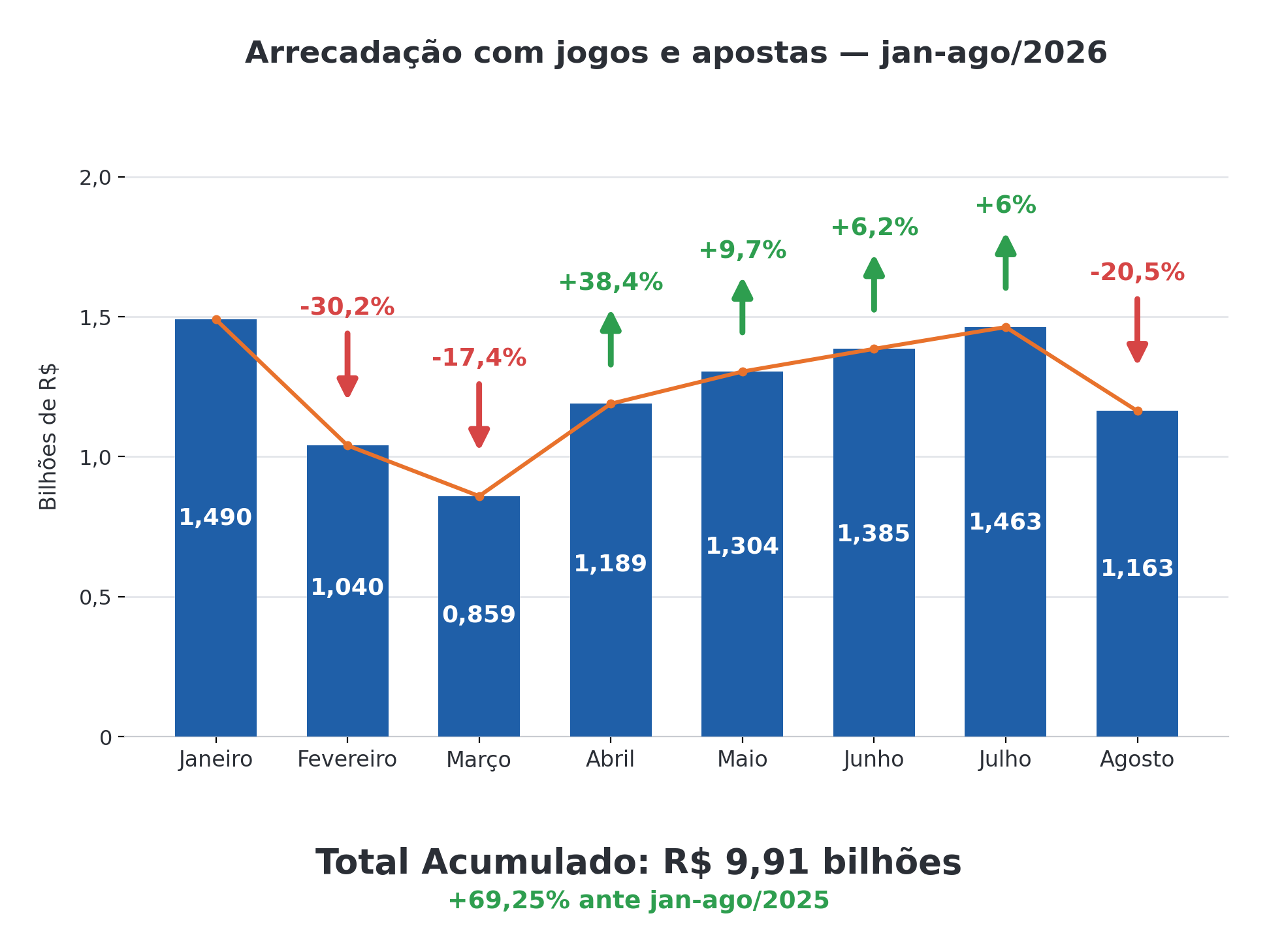
Brazil collected R$ 9.91 billion from betting and gambling taxes from January to August 2026

Sports betting sponsorships in Brazilian football reached R$ 1.03 billion in 2025 as clubs face R$ 17.3 billion in debt

First Dutch online gambling licence renewals confirmed ahead of 2026 expiry
Weekly high-risk digest
Regulation, sanctions and payment news across your verticals — once a week, free.
Please check your inbox and click the link to confirm your subscription.
Please enter a valid email address!