Brazil’s betting ban could hit football clubs after bets made up 36% of marketing revenue and 73% at São Paulo
/https://i.s3.glbimg.com/v1/AUTH_59edd422c0c84a879bd37670ae4f538a/internal_photos/bs/2026/Y/H/QmLnSISI2d9hivDk8vBg/montagem-horizontal-1280x720px-12-.jpg)
Brazil’s government announced a ban on online betting and virtual games on Friday (25), via a provisional measure, and club sponsors are already warning teams that contracts may be terminated if the rule goes through. For high-risk operators, the immediate issue is not just regulatory status in Brazil, but what happens to existing sponsorship commitments, prepayments, and club cash flow plans.
- The biggest Brazilian football clubs took R$ 3,166 billion in marketing revenue in 2025, up from R$ 1,426 billion in 2022, according to Sports Value. Betting sponsors were a major part of that growth: in 2024, betting-company sponsorships totaled R$ 618 million, and one year later they reached R$ 1,143 billion.
- That money is not a side note. Betting contracts represented about 36% of clubs’ marketing revenue overall. At São Paulo, the share was much higher: bets accounted for 73% of sponsorship revenue. In other words, for some clubs, this is not a small logo-placement problem; it is a line item in the budget.
- The government of President Luiz Inácio Lula da Silva (PT) said the ban will be formalized through a provisional measure. Those measures are issued by the federal government and sent to Congress, and they need approval by the Chamber of Deputies and the Federal Senate within 120 days to become permanent law.
- Clubs and federations have already reacted. After betting companies told teams that changes in the rules could force sponsorship reviews, clubs and federations issued a manifesto backing the maintenance of a regulated betting market. Now, betting firms have reportedly told sponsored clubs that contracts may be ended if the government bans operations in the country.
- The industry’s rise in Brazilian football started after 2018, when legislation authorized fixed-odds betting, where the bettor knows the potential payout at the time of placing the wager. Since then, betting brands have become much more visible among club sponsors, and the numbers above show why: they were paying more than many other advertisers were willing to pay.
Amir Somoggi, director at Sports Value, described the dynamic as “easy money”: digital betting sponsors can pay inflated amounts without requiring much activation work from the clubs. He also noted that some sponsorship income is already built into club financial planning, including antecipação de recebíveis (advancing future receivables), which means a sponsorship stream can affect liquidity well before the contract actually pays out.
Related news
All news →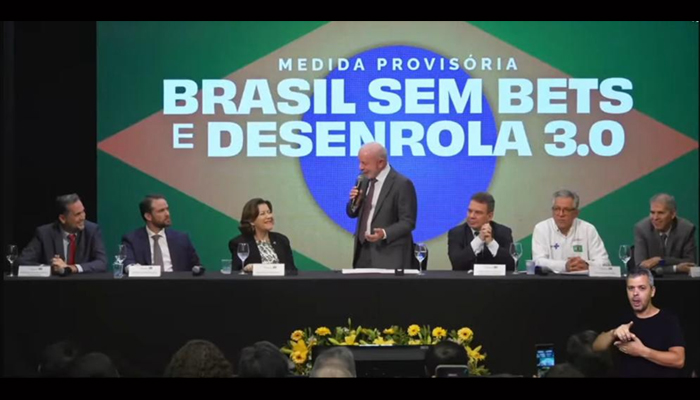
Brazil’s Lula government announces a nationwide ban on fixed-odds betting with numbers that don’t add up
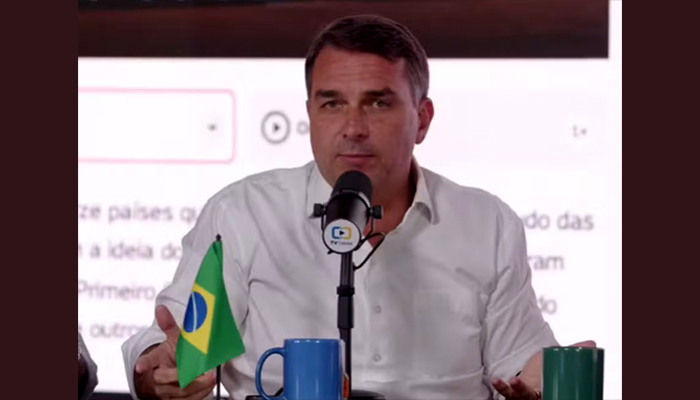
Flávio Bolsonaro attacks Brazil’s bet ban as Lula’s government moves to outlaw online gambling 9 days before the election
/https://i.s3.glbimg.com/v1/AUTH_59edd422c0c84a879bd37670ae4f538a/internal_photos/bs/2025/e/5/ov52pBSmeCKRcfHyfUZg/design-sem-nome-4-.png)
Brazil government sends bill to criminalize online betting and gaming, with 4-6 year prison terms
Weekly high-risk digest
Regulation, sanctions and payment news across your verticals — once a week, free.
Please check your inbox and click the link to confirm your subscription.
Please enter a valid email address!