Singapore gambling advertising rules force esports teams to rebrand ahead of PGL Major Singapore 2026
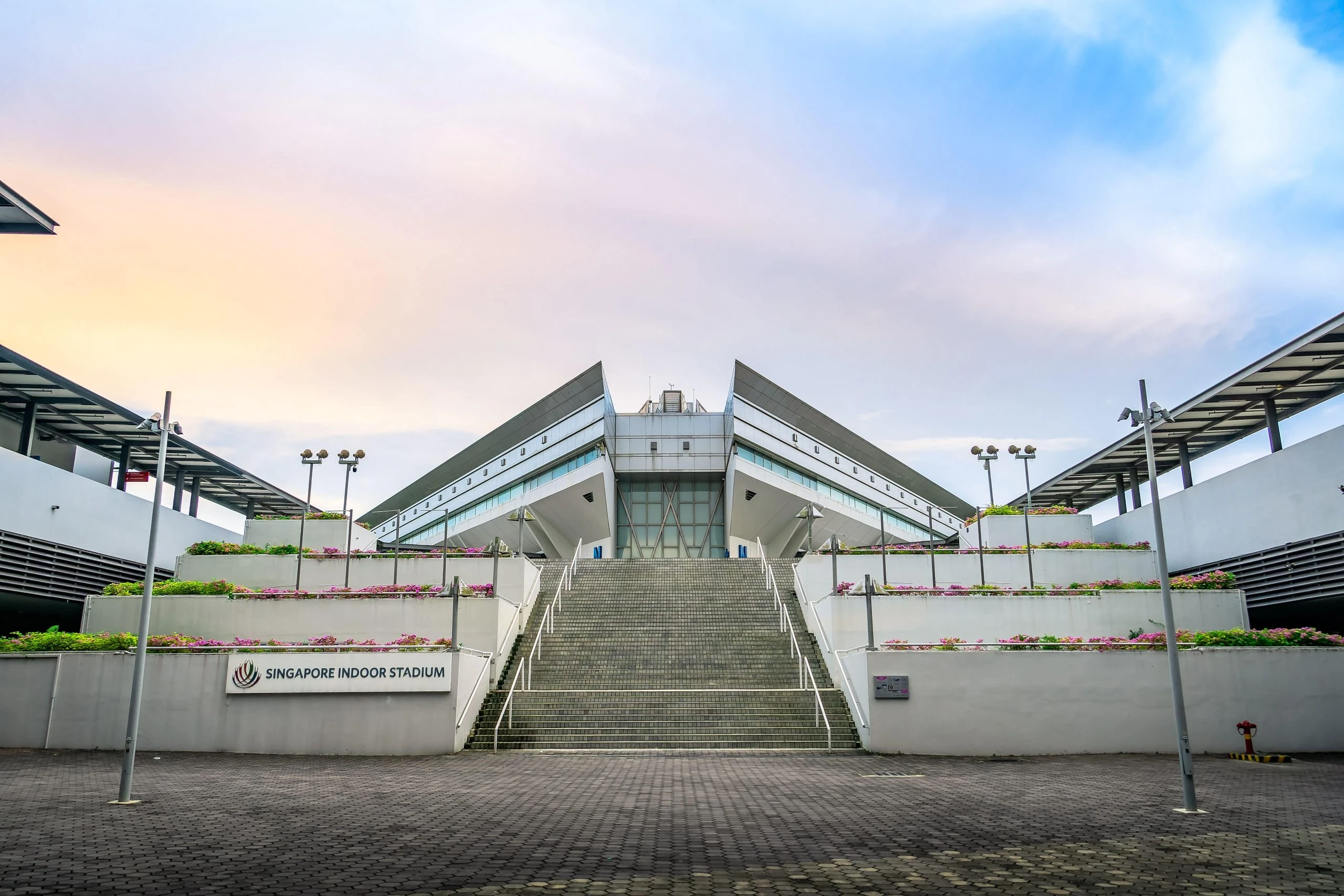
Singapore’s gambling promotion ban is set to hit several Counter-Strike 2 teams at the PGL Major Singapore 2026, with teams linked to gambling sponsors reportedly told to change names, logos and stickers within 24 hours. For PSPs and operators watching the high-risk crossover between iGaming and esports, the point is straightforward: if the branding looks like gambling promotion, Singapore’s rules treat it that way.
- The PGL Major Singapore 2026 runs from 24 November to 13 December, and it is one of the key events in the Counter-Strike 2 calendar, with concurrent viewership expected in the millions. The issue is not the tournament itself, but the branding that comes with some of the teams taking part.
- All teams in the tournament with a gambling sponsor reportedly will not be allowed to display those sponsors. Four teams are singled out as especially affected: BC.GAME, 1win Esports, BETBOOM and PARIVISION. For those four, the problem is bigger than hiding a logo — they would need to change the organisation’s name for the tournament, not just remove sponsor marks.
- Teams were reportedly given 24 hours to change their names, logos and stickers, including in-game cosmetic items, to remove references to gambling companies and avoid breaching Singapore’s gambling advertising laws. In practice, that means tournament compliance reaches beyond jerseys and broadcast graphics into the game client itself.
- Under Section 85 of Singapore’s Gambling Control Act 2022, the prohibition on promoting unlicensed gambling explicitly covers sponsorship and brand-sharing agreements, including display of gambling brands in connection with events and products. Online gambling in Singapore is only permitted through Singapore Pools, which offers fixed odds sports betting and lottery games.
- The first report came from Russian Counter-Strike 2 insider Telegram channel Esports Base (База Киберспорта). The report has not been independently verified by tournament organiser PGL or Counter-Strike developer VALVE. iGB said it has approached PGL for comment. BC.GAME told iGB it has submitted a new name and is waiting for a response from PGL and Valve.
BC.GAME chief executive Ali Muhanned said the organisation was aware of the restrictions on gambling in Singapore and that it had already submitted an alternative team name. The practical takeaway for high-risk operators is familiar: cross-border branding that is acceptable in one jurisdiction can become a compliance problem the moment a tournament lands somewhere with tighter gambling advertising rules.
Related news
All news →

Weekly high-risk digest
Regulation, sanctions and payment news across your verticals — once a week, free.
Please check your inbox and click the link to confirm your subscription.
Please enter a valid email address!