FATF flags illegal offshore gambling as a major financial crime risk in report released on September 9
Illegal and unlicensed offshore gambling is now one of the industry’s biggest financial crime problems, according to the Financial Action Task Force (FATF). The point for PSPs and acquirers is simple: the risk is no longer limited to regulated casino tables and sportsbook kiosks, because the money can move through online, cross-border, and multi-product platforms with far less friction.
- FATF’s report, released on September 9, looks at financial crime risks across land-based and online casinos, sports betting, other forms of gambling, and online video and mobile gaming. The findings were based on questionnaire responses from 80 jurisdictions, written submissions from 29 jurisdictions, and consultations with industry groups, researchers, and private-sector stakeholders.
- The watchdog said illegal operators are widespread across jurisdictions, regardless of whether gambling is legal or how the regulated market is structured. Unlicensed offshore platforms can attract customers with promotions and greater confidentiality, while presenting themselves as legitimate businesses and exploiting differences in national licensing and anti-money-laundering (AML) frameworks.
- FATF linked the criminal misuse of gambling operators to corruption, cyber-enabled fraud, professional money laundering networks, and organized crime. Casinos — both land-based and online — and sports betting were identified as particularly exposed to money laundering, while lotteries, scratch cards, and some other non-casino products were generally seen as lower risk.
- The report also points to payments as the pressure point. Cash, e-wallets, mobile money, and virtual assets were all identified as vulnerable, especially on platforms that move funds quickly across borders and convert them between different forms of value. FATF also noted that gambling platforms are increasingly connected to social media, digital marketplaces, and software providers, some of which sit outside national AML and counter-terrorist financing frameworks.
- On the transaction side, the red flags are familiar and useful: deposits followed by withdrawals with little or no gambling, multiple small transactions designed to stay below reporting thresholds, payments made through accounts that do not match the registered player, and several gambling accounts using the same device or IP address.
For high-risk PSPs, the practical takeaway is that offshore gambling is not just a licensing issue. FATF is describing a payments ecosystem where customer acquisition, movement of funds, and account control can all be separated across jurisdictions and channels, which makes source-of-funds checks, device intelligence, and account-link analysis part of the day job rather than a nice-to-have.
Related news
All news →
German prosecutors raid suspected €5.86 billion illegal online gambling ring as DSWV and DOCV challenge black market estimates
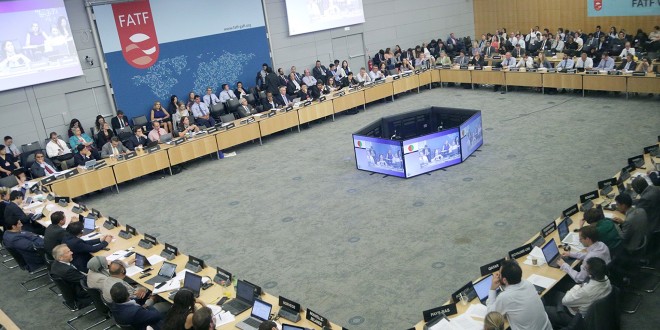
FATF warns gambling platforms are increasingly exposed to money laundering as illegal markets expand
Cambodia to suspend all online operations linked to land-based casinos nationwide from October
Weekly high-risk digest
Regulation, sanctions and payment news across your verticals — once a week, free.
Please check your inbox and click the link to confirm your subscription.
Please enter a valid email address!