FATF warns gambling platforms are increasingly exposed to money laundering as illegal markets expand
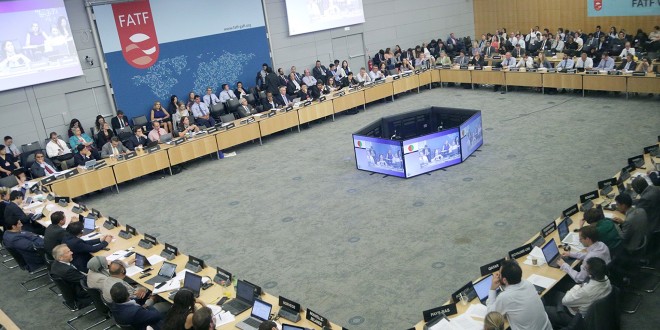
The Financial Action Task Force has put regulators on notice: brick-and-mortar and online casinos, plus sports betting, are especially exposed to money laundering risks. For PSPs and acquirers in high-risk verticals, the interesting bit is not the warning itself — it is that FATF is now tying the sector’s risk profile to the mix of technology, uneven AML and CTF rules, and the scale of unlicensed activity.
- FATF released its latest analysis yesterday, drawing on input from over 80 jurisdictions, industry bodies and researchers over a year-long project. It is the organisation’s first detailed examination of risks specifically associated with online and illegal gambling.
- The report says that “brick-and-mortar and online casinos and sports betting are considered to be particularly exposed to money laundering risks.” It also says the evolution of gambling technology, combined with varying AML and CTF rules by jurisdiction, has “led to developments in the money laundering, terrorist financing and, to a somewhat lesser extent, proliferation financing risks associated with the sector”.
- The report says illegal markets rival or exceed legal markets in many jurisdictions, and that unlicensed operators are consistently presenting themselves as legitimate businesses. For payments teams, that is the point where on-paper merchant screening runs into the usual mess of offshore structures, false legitimacy, and consumer deposit routes that do not look tidy when a regulator asks questions later.
- The UK has already seen the practical version of this. Last month, the Labour Party called for an investigation into the now-defunct, unlicensed gambling firm Tether.bet after allegations involving George Cottrell and offshore bookmakers. Labour also complained about Fispay, a UK-registered financial intermediary owned by Mowbray Jackson, after it allegedly provided UK bank account details to some Tether.bet customers so they could deposit money for bets and receive winnings. Cottrell and Jackson denied the allegations.
- The UK Gambling Commission recently placed the UK gambling software sector at a “medium risk” of money laundering and terrorist financing, up from its previous guidance. That matters because software, payment routing and operator access are increasingly part of the same risk conversation, not separate compliance boxes.
There is also a broader structural problem here: gambling regulation is still fragmented by jurisdiction, and the differences in laws and taxes make EU-wide unification highly unlikely. FATF is not suggesting that harmonisation is around the corner; it is pointing out that the current patchwork gives criminals room to move and makes cross-border enforcement harder than the brochures imply.
Related news
All news →
Weekly high-risk digest
Regulation, sanctions and payment news across your verticals — once a week, free.
Please check your inbox and click the link to confirm your subscription.
Please enter a valid email address!