Lula says Brazil’s bets “won’t come back,” but the MP still needs Congress and the Supreme Court
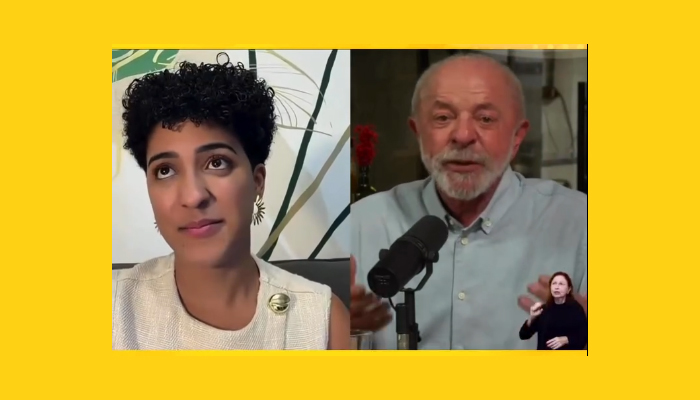
Brazilian President Luiz Inácio Lula da Silva used a YouTube live to say betting “won’t come back” in Brazil, but the legal path is not that simple. The ban was imposed by MP 1.394/2026, and it still faces a vote in Congress and three ADIs (Direct Actions of Unconstitutionality) before the Supreme Federal Court.
- In a live on YouTube on Thursday night (22), organized by federal deputy André Janones (Rede-MG), Lula said to influencer Nath Finanças: “não voltará mais a bet. Quem quiser ganhar dinheiro, vai trabalhar.” He also called the sector a “praga” and said he acted after speaking with young people in debt at a meeting at the Palácio da Alvorada.
- The measure is not a final law. MP 1.394/2026 has the force of law, but only temporarily, and must be reviewed by Congress within 60 days, with a possible 60-day extension if both houses do not finish the vote. If it is not approved, it loses validity. The initial deliberation deadline ends on 23 November 2026.
- So far, Parliament has not rushed it. The MP is close to completing a month without a joint committee installed, and the committee still has no chair, vice-chair or rapporteur. Congress received 99 amendments by the deadline at 23:59 on 13 October, and many of them would soften the MP, with some keeping sports betting and only banning online games.
- The judiciary is also in play. Justice Luiz Fux is the rapporteur for three ADIs tied to the MP and is expected to review the requests only after the second round. The AGU replied on 6 October, defending the ban.
- Industry groups and related businesses are pressing for delay. Abert wants the MP suspended until Congress reviews the text or until the actions are decided. Clubs asked for up to one year to adapt, while ANJL and IBJR asked for the measure to be suspended while Congress has not yet ruled.
For regulated operators, the payment issue is not just the ban itself, but the way it was done: the MP ended authorizations in 30 days, without reimbursement for companies that paid R$ 30 million each. That is the part with immediate consequences for licensing economics, settlement planning, and whether a market can be turned off overnight and still be treated as normal regulatory housekeeping.
Related news
All news →
Brazil’s AGU asks STF for broader hearing in ADI 8027 as gambling ban challenge lands before Luiz Fux

Cold wallets, the hidden link between an illegal casino network and easy football money in Buenos Aires Province
PaysafeWallet goes live across all euro area markets after Eastern Europe rollout
Weekly high-risk digest
Regulation, sanctions and payment news across your verticals — once a week, free.
Please check your inbox and click the link to confirm your subscription.
Please enter a valid email address!