Brazil Supreme Court ruling on gambling market closure may come after the election
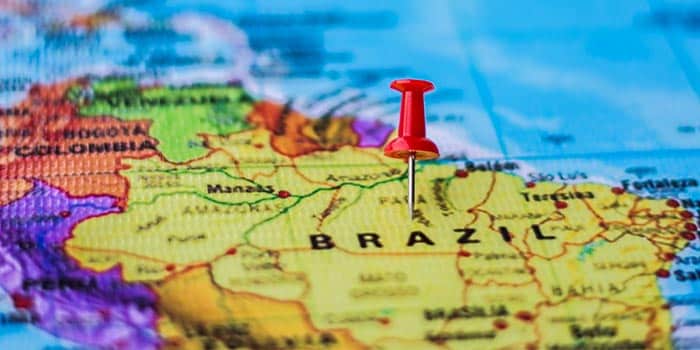
Brazil’s regulated gambling market has been shut down by President Lula’s Provisional Measure No. 1,394/2026, but the legal fight over that decision may not be resolved before the general election. For licensed operators, PSPs, sports clubs, and media groups, that means the commercial freeze could last long enough to become an election issue rather than just a court case.
- Industry experts expect the Brazilian Supreme Court’s decision on the sudden closure of the regulated gambling sector to come after the election. That timing matters because the dispute is now tied to the political battle between President Lula and Flávio Bolsonaro, with both sides able to use operator backlash for campaign purposes.
- Provisional Measure No. 1,394/2026 banned all forms of fixed-odds betting nationwide. The reaction has been immediate: many licensed operators are demanding refunds of their 30 million reais ($6 million) licensing fees, and several lawsuits are being prepared to challenge the measure.
- According to a recent report by Brazilian news outlet UOL, a shutdown of regulated gambling could have direct economic consequences. The sector employs more than 15,000 people, while many of Brazil’s leading sports teams and media outlets depend on sponsorships from gambling companies. The country could also lose about $14.7 billion in tax revenue.
- The government has given shirt sponsors a limited exception: gambling-branded shirts manufactured before the ban can still be sold. That carve-out does not cover match kits, training uniforms, stadium advertising, or social media activity. Lula’s line is that teams can replace the lost revenue by finding new sponsors.
- Brazil’s Attorney General has asked Supreme Court Justice Luiz Fux to reject compensation claims from operators and block lawsuits challenging the ban. Broadcasters and soccer unions have also lined up against the measure. Even if regulated gambling eventually returns, operators are expected to pursue claims for missed profits.
The election schedule now sits at the center of the regulatory mess. Congress will also vote on the provisional measure, but that may not happen until 2027. Until then, operators and clubs are cutting costs, freezing partnerships, and waiting to see whether Brazil’s licensed market comes back in court, in Congress, or after the ballot count.
Related news
All news →

Weekly high-risk digest
Regulation, sanctions and payment news across your verticals — once a week, free.
Please check your inbox and click the link to confirm your subscription.
Please enter a valid email address!