US judge dismisses Halkbank criminal case after deal with Trump administration
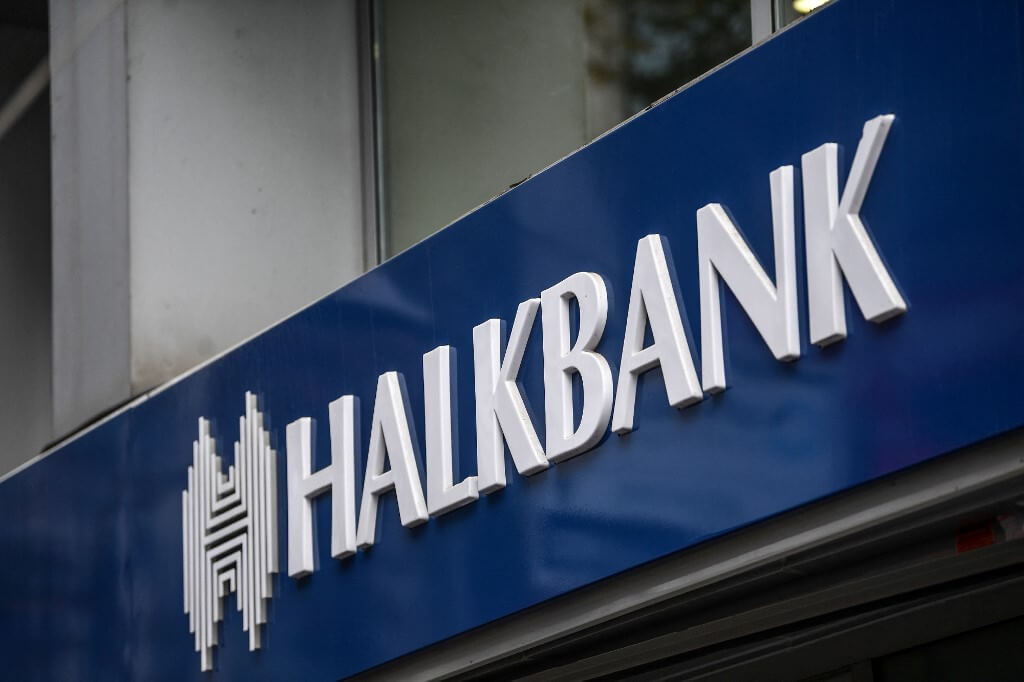
A federal judge in New York has dismissed the US Justice Department’s criminal case against Turkey’s state-run Halkbank after the Trump administration reached a deal with the lender, Reuters reported. For banks and PSPs, the important bit is not the courtroom theatre; it is the sanctions-compliance terms that remain attached to the bank even after the case is closed.
- US District Judge Richard Berman, based in Manhattan, approved the dismissal at a hearing on Wednesday, ending a prosecution that began in 2019. Halkbank said on Turkey’s Public Disclosure Platform (KAP) that the criminal case in the United States had been “definitively and finally closed.”
- The agreement was announced in March and was expected to remove a long-running source of tension between Turkey and the United States. Halkbank shares rose sharply on the İstanbul stock exchange after the deal was announced.
- Halkbank was charged during Trump’s first term with helping Iran evade US sanctions. Prosecutors accused the bank of secretly moving $20 billion in restricted Iranian funds, converting oil revenue into gold and cash, and using fake food shipments to justify transfers of oil proceeds.
- Under the agreement, Halkbank pleaded not guilty and did not admit wrongdoing. No money changed hands. The bank is barred from entering transactions that benefit Iran and must work with a monitor to review its sanctions and anti-money laundering compliance.
- After the March announcement, Berman paused the case for 90 days so Halkbank could show compliance with the terms. Halkbank hired Ernst & Young to review its compliance policies. The case had moved through several US courts, and in October the US Supreme Court let stand a lower court decision allowing it to proceed.
The timing matters for cross-border banking because this was never just a criminal case file. It sat at the intersection of sanctions exposure, state ownership, and access to the US financial system — the sort of mix that makes correspondent banks, acquiring partners, and compliance teams reach for the file and the calendar at the same time.
Related news
All news →


Weekly high-risk digest
Regulation, sanctions and payment news across your verticals — once a week, free.
Please check your inbox and click the link to confirm your subscription.
Please enter a valid email address!