JazzCash and easypaisa suspend aggregator payment collection amid FIA gambling probe in Pakistan
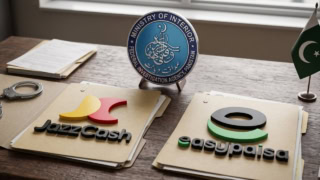
Pakistan’s two biggest mobile wallets have stopped payment collection for all aggregators after instructions from the Federal Investigation Agency (FIA), cutting off a key processing route for online gambling and betting operations. For PSPs and aggregators, the important part is simple: if the wallet layer is frozen, the rest of the payment stack starts to look decorative.
- JazzCash and easypaisa have fully suspended payment collection services for all payment aggregators. The move affects intermediaries such as Simpaisa and other processors that used these wallet channels to collect funds from local users. According to the source, the suspension was carried out following strict instructions from the FIA.
- The action is tied to a broader FIA investigation into a PKR 120 billion digital gambling syndicate. TechJuice had earlier reported that the FIA Faisalabad branch traced nearly PKR 119.93 billion routed through local branchless banking systems. During that first enforcement wave, JazzCash closed over 100 aggregator accounts, while easypaisa faced settlement delays affecting six major payment firms and international processors like dLocal.
- Investigators say the network used 11 single-member shell companies and five collection accounts to move funds. The source says the syndicate processed millions of transactions for betting platforms including U7777 Game, B9 Game, and S9 Game, and ultimately moved PKR 8.586 billion through just five collection accounts.
- The investigation also points to compliance failures inside easypaisa. The source says corporate insiders at easypaisa were implicated, with scammers allegedly working with officials to open fictitious corporate accounts under bogus companies. The group also used dummy websites to pass compliance checks, then disguised betting payments as ordinary commercial transfers.
- The money trail moved through local financial institutions and out of Pakistan via digital hawala and crypto networks. The source says the funds were routed through local microfinance banks into larger commercial institutions including Faysal Bank and Dubai Islamic Bank before being laundered out of the country.
There is no confirmed timeline for service restoration, and both fintechs are still undergoing internal regulatory compliance processes. The source also notes that the State Bank of Pakistan (SBP) introduced a strict regulatory framework for payment intermediaries in May 2026, with stronger monitoring requirements for al
Related news
All news →


Weekly high-risk digest
Regulation, sanctions and payment news across your verticals — once a week, free.
Please check your inbox and click the link to confirm your subscription.
Please enter a valid email address!