Moscow Exchange to launch Bitcoin, Ether and USDT trading on Dec. 1 under Russia’s new crypto rules
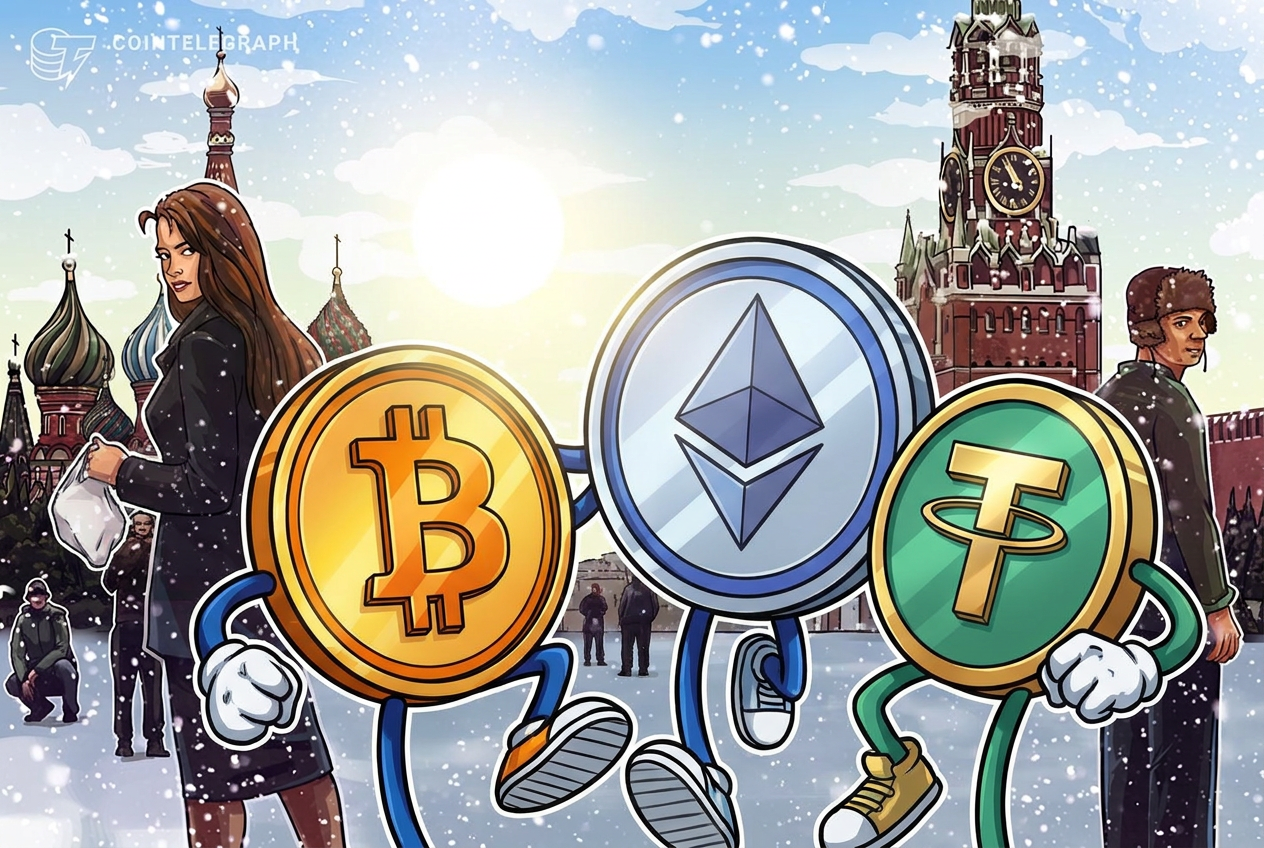
Moscow Exchange says it will start trading Bitcoin, Ether and Tether’s USDT on Dec. 1, with pilot trades beginning as participants join the platform. For high-risk payment and crypto businesses, the useful detail is not the asset list — it is that Russia is now moving toward a regulated market structure while still keeping crypto payments for goods and services banned.
- The exchange says it is opening what it describes as Russia’s first organized digital currency market. Trading will run on its existing stock-market infrastructure and be cleared through the National Clearing Center (NCC), with hours from 6:50 am to 11:50 pm Moscow time.
- The venue will initially support same-day and next-day settlement, plus swap transactions. Moscow Exchange also said non-qualified investors must pass a test before buying crypto, and their purchases will be capped at 300,000 rubles (about $3,700) annually per broker.
- The launch follows a Russian crypto law whose main provisions took effect Sept. 1. That law allows regulated trading, but it still bans cryptocurrency payments for goods and services inside Russia.
- Moscow Exchange and the NCC have been under US sanctions since June 2024, when the UK also sanctioned the exchange. The European Union added it to its sanctions list in July 2026, which is the obvious catch for anyone thinking about liquidity, counterparties or market access.
- Sergey Mendeleev, founder of Russian cross-border payments platform Exved, told Cointelegraph he doubted the market would draw meaningful demand. He said the offering could face uncompetitive conditions and “absolutely outrageous spreads,” though he did see potential for the platform to support cross-border payments between importers and exporters.
Mendeleev’s point matters for operators in the payments stack: on paper this is a regulated crypto venue, but in practice sanctions, spread economics and the existing ban on crypto payments will shape whether it functions as a trading venue, a foreign-trade tool, or something much smaller than the headline suggests.
Related news
All news →
Weekly high-risk digest
Regulation, sanctions and payment news across your verticals — once a week, free.
Please check your inbox and click the link to confirm your subscription.
Please enter a valid email address!