Bank of Russia flags 2,600 crypto wallets as tied to illegal activity
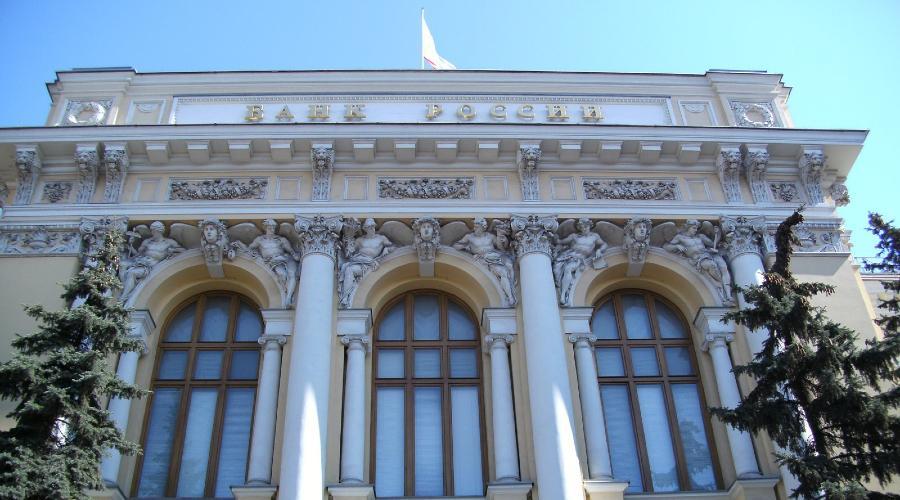
The Bank of Russia says it has identified 2,600 crypto wallet addresses that it suspects are linked to illegal activity. For PSPs, acquirers, and banks doing any kind of crypto-adjacent risk screening in Russia, the practical point is simple: if an operation touches one of these addresses, it can end up blocked.
- The 2,600 addresses belong to legal entities, various projects, and individual entrepreneurs, the central bank said. Over the lifetime of these wallets, they received crypto worth about 1 billion rubles.
- The addresses were added to a specialized information system used by government agencies, including law enforcement. The same system is used by banks and investigators to assess client risk profiles and conduct financial investigations.
- In the Bank of Russia’s account, 74% of the cases involve digital assets used by pyramid schemes and scammers. The central bank said the usual playbook includes fake investment pitches around crypto and mining, phony data centers, and pressure on victims to buy tokens issued by the fraudsters themselves.
- The regulator also highlighted crypto loans, where Russians borrow USDT stablecoins in dollars outside the official financial system. For payment and compliance teams, that is the kind of flow that tends to sit right on the edge of formal banking controls and informal crypto rails.
- Separately, F6 security specialists said scammers have been offering crypto payments for tickets to both Russian concerts by American rapper Kanye West through fake websites. Since 17 August, they said they found at least 10 sites in the .ru, .com, .site, and .shop zones impersonating official pages for Kanye West’s Russian tour.
One more data point from the same fraud ecosystem: the organization “Moshovka” previously reported scammers offering Russians access to crypto trading through the Moscow Exchange. In practice, the pattern is familiar — criminals keep borrowing the branding of legitimate infrastructure, because that still works.
Related news
All news →
Weekly high-risk digest
Regulation, sanctions and payment news across your verticals — once a week, free.
Please check your inbox and click the link to confirm your subscription.
Please enter a valid email address!