Hong Kong romance scams cost $9M in a week, Malaysia drops Blockchain Week support after OnlyFans row

Hong Kong police logged 25 romance-linked fraud cases in one week, with losses totaling $9 million, including a single insurance agent who lost $3.3 million after being pushed into a fake crypto app. In Malaysia, the government withdrew support for Malaysia Blockchain Week after an after-party booking triggered a social media backlash, a reminder that high-risk payments events can run into reputational and political friction fast.
- In Hong Kong, an insurance agent was scammed out of $3.3 million after a fake online boyfriend persuaded her to invest in a fraudulent crypto application. Police said there were 25 similar romance-linked fraud cases reported between July 24 and July 30, and the combined losses reached $9 million.
- The mechanism is familiar enough by now: scammers meet victims on dating or messaging apps, spend months building trust, then introduce a crypto investment pitch. Victims are sent to a site that looks like a trading app, sees fake profits, keeps adding money, and only realizes what happened when withdrawals stop working.
- Hong Kong news also included a few payment-relevant items: Hong Kong-licensed cryptocurrency exchange HashKey Exchange said its parent company received approval from JPMorgan Chase to open a client money account; and a Vietnam-linked scheme called Fun Coffee, which promised annual returns of up to 222%, has collapsed in Hong Kong, with authorities calling it a virtual currency scam.
- In Malaysia, the government withdrew support for Malaysia Blockchain Week after an after-party featuring local DJ and actress Siew Pui Yi triggered a conservative social media backlash. Siew Pui Yi built a large following on OnlyFans, though she has not been on the platform since 2022, and event organizers cancelled the performance.
- For operators and PSPs, the point is less the gossip and more the operational risk: fraud narratives tied to crypto, and event sponsorships that become political controversies, can both turn into banking and partner-management problems very quickly.
China also had a payment-adjacent warning sign: China Business Journal, a state-affiliated newspaper, said fraudsters were impersonating it to extort companies by demanding Bitcoin in exchange for suppressing damaging reports, using a Proton Mail address to send the threats.
Related news
All news →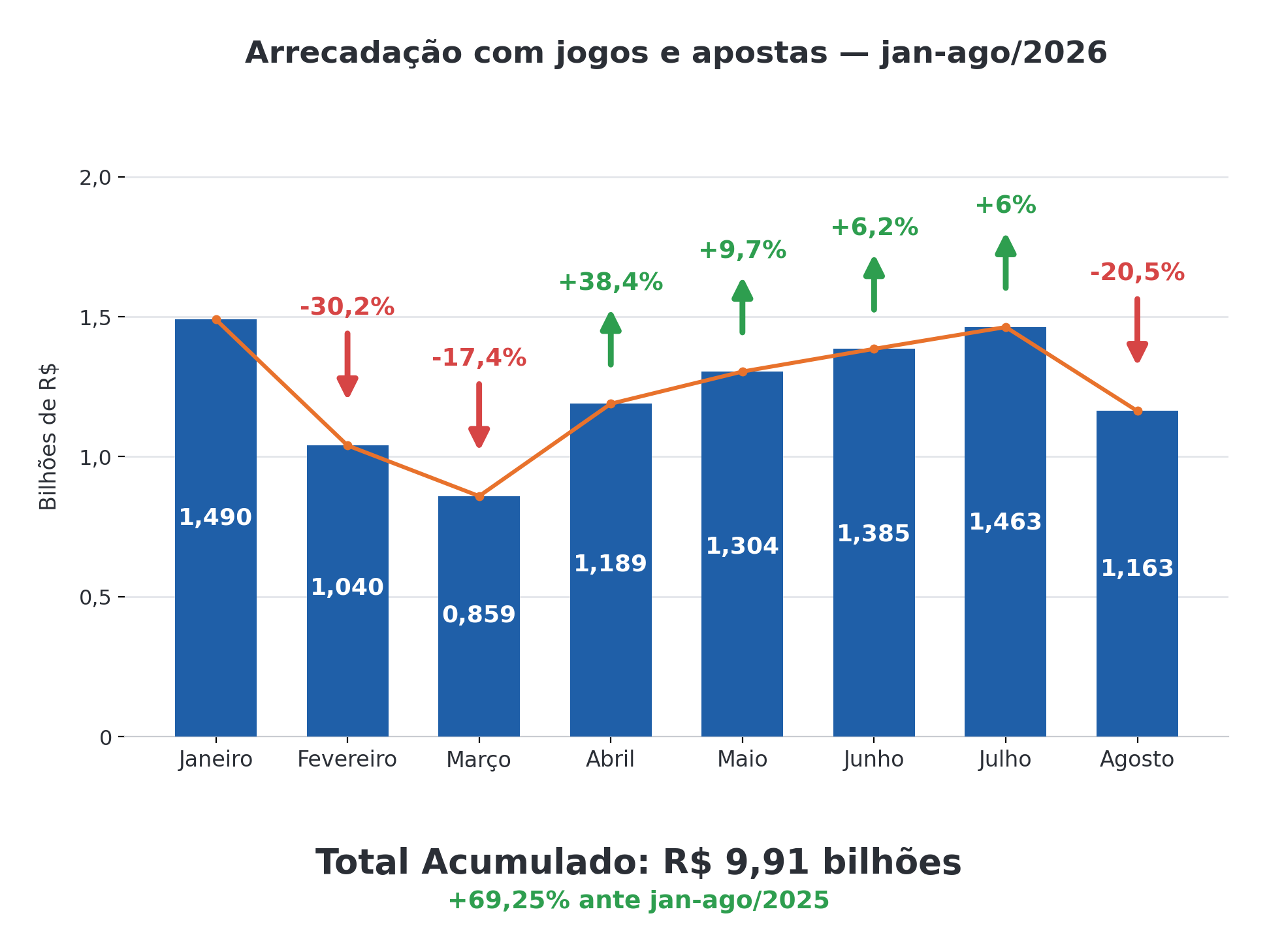
Brazil collected R$ 9.91 billion from betting and gambling taxes from January to August 2026

Sports betting sponsorships in Brazilian football reached R$ 1.03 billion in 2025 as clubs face R$ 17.3 billion in debt
First Dutch online gambling licence renewals confirmed ahead of 2026 expiry
Weekly high-risk digest
Regulation, sanctions and payment news across your verticals — once a week, free.
Please check your inbox and click the link to confirm your subscription.
Please enter a valid email address!