Judicial official and financier accused of scanning irises and stealing identities to move 27 billion pesos through bank accounts and virtual wallets
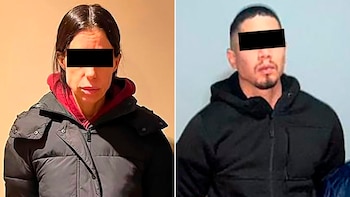
A judicial official in La Plata and a financier were detained in an investigation that, according to prosecutors, used biometric data from vulnerable people to open accounts and move illicit funds. For PSPs, acquirers, banks, and wallet operators, the uncomfortable part is not the headline-grabbing biometric angle; it is how fast identity abuse turns into account opening, mule activity, and payment flow at scale.
- Prosecutor Betina Lacki in La Plata questioned Albertina Mangini on charges of association for illicit purposes, fraud, illegal gambling, and money laundering. The case, according to the PFA’s Department of Fiscal Crimes, began in April and centers on a network that allegedly paid 80,000 pesos for a person’s ID document, photos, and an iris scan.
- With that data, the group allegedly opened accounts in banks and virtual wallets and moved about 27 billion pesos, mostly linked to illegal gambling. In practice, that is the part payment infrastructure people care about: once a network has verified-looking identity data, it can push funds through ordinary rails until the controls catch up.
- The case reportedly started with a cleaning employee at the Patronato de Liberados, who said she received 40,000 pesos for “iris reading.” According to sources in the case, when the promised additional 40,000 pesos was not paid, she complained, had her data taken again, and later helped expose the account-opening scheme by filing a complaint.
- Witnesses described lines at the office in La Plata where the network paid the 80,000 pesos in cash. Prosecutors said the targets were ex-prisoners, relatives of prisoners, and other highly vulnerable people, and that the group sought people who were “clean” in Arca — meaning they had no debts or obligations on record.
- Mangini, an attorney who graduated from the Universidad Nacional de La Plata and turned 44 in July, has worked in the provincial judiciary for 17 years. She was employed by the Public Prosecutor’s Office, while the Patronato de Liberados depends on the Buenos Aires province Ministry of Justice and Human Rights; provincial officials said she had no bureaucratic or labor link to that ministry and instead worked in a Fiscal General office inside the Patronato, with access to data on released and convicted people.
The broader case also has a payments angle beyond the biometric abuse. During raids in Buenos Aires, Córdoba, and Mar del Plata, federal agents arrested another alleged network member tied to the Sur Finanzas case, the financial firm linked to the Argentine Football Association (AFA) that prosecutors are investigating for money laundering, association for illicit purposes, and fraud by fraudulent administration. Prosecutors say that case operated between September 2020 and dicie-
Related news
All news →
Quaest poll will test whether Brazil’s bets ban changed votes in the Lula vs. Flávio Bolsonaro runoff

WalletConnect Pay goes live in South Africa through Ezeebit, with The Capital as first merchant

ZachXBT says more than $20 million in suspected illicit crypto moved through Hyperliquid-linked FXMR
Weekly high-risk digest
Regulation, sanctions and payment news across your verticals — once a week, free.
Please check your inbox and click the link to confirm your subscription.
Please enter a valid email address!