Home
/
news
/
Flamengo projects R$ 260 million in cuts after losing Betano money, says president Luiz Eduardo Baptista
news
Flamengo projects R$ 260 million in cuts after losing Betano money, says president Luiz Eduardo Baptista

Flamengo says it will need to trim about R$ 260 million in expenses to balance its 2027 accounts if betting sponsorship revenue disappears. For high-risk PSPs and operators, the useful part is not the football drama but the mechanism: a major sponsor tied to regulated betting is now exposed to a political and legal reset, and the club is already budgeting around that risk.
- President Luiz Eduardo Baptista, known as Bap, said at the Summit CBF in São Paulo on Wednesday (25/11) that the end of betting activity in Brazil would cut R$ 403 million from what Flamengo earned in 2026. The club expects to replace about R$ 140 million through items already in the budget, leaving R$ 260 million in cuts and adjustments to be decided over the next 60 days.
- Bap said the adjustments will hit all areas of the club, including football, though not 100% of it. Flamengo’s 2027 budget, sent to the Board of Directors last week, already forecasts a R$ 90 million deficit. The first announced measure was the end of the men’s volleyball youth categories.
- The biggest commercial hit is the Betano shirt sponsorship. Flamengo’s master sponsorship deal with Betano was worth more than R$ 250 million a year, plus bonuses, and was set to run until 2028. The partnership was affected by MP 1.394/2026, published on 25 September by President Luiz Inácio Lula da Silva, which forced betting companies to stop operating in the country.
- The government said the measure was based on public health and household debt concerns. The MP has not yet been voted on, and on 11 November it was extended by another 60 days. Because the parliamentary recess pauses the count, the deadline now runs until 4 March 2027. Bap said the decision could still be reversed, but Flamengo cannot build its budget on that assumption.
- He also used the moment to argue for tighter cost control and for clubs to pay their debts on time. “The money does not accept nonsense,” he said, adding that there will be adjustments and that anyone who does not want to stay at the club can leave. His line was blunt, but the financial logic is familiar enough: if a sponsor class disappears, the gap does not fill itself.
Related news
All news →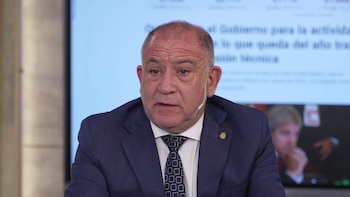


Weekly high-risk digest
Regulation, sanctions and payment news across your verticals — once a week, free.
Please check your inbox and click the link to confirm your subscription.
Please enter a valid email address!