Entain renews push for immediate UK ban on unlicensed gambling sponsorship after DCMS consultation closes
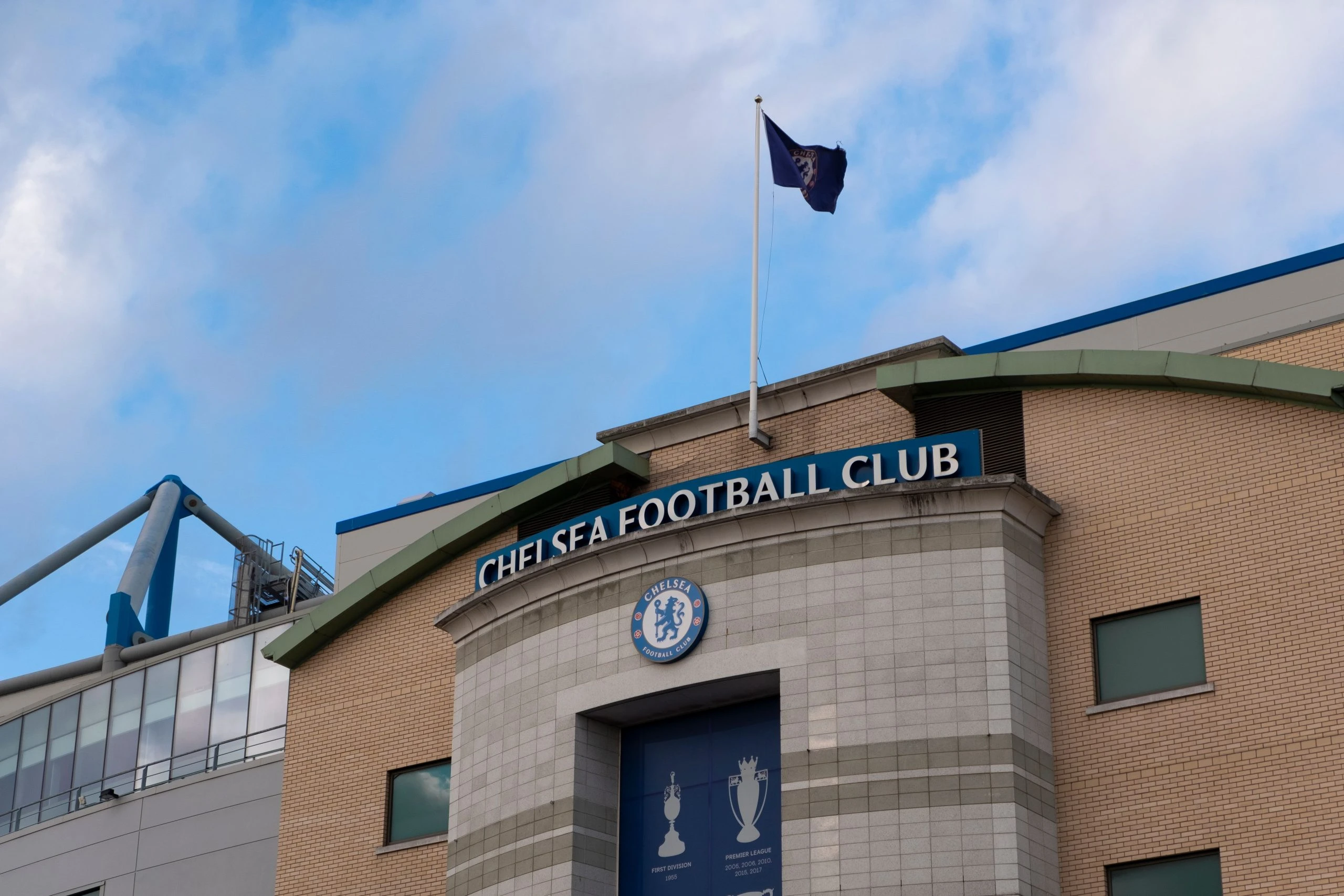
Entain has asked the UK government to “close the loophole without delay” after saying it identified 11 Premier League clubs with sponsorship or advertising deals involving operators that do not hold a UK licence. For PSPs and acquirers serving high-risk verticals, the issue is not just football kit inventory: it is a reminder that unlicensed brands can keep buying visibility while regulators move on a slower timetable.
- In a press release on Friday, the owner of Ladbrokes and Coral said the government should act “without delay” after the Department for Culture, Media and Sport consultation on unlicensed gambling sponsorship closed. The second consultation ran from 15 July to 9 September and followed an initial review in February.
- Entain said the current timeline would not be fast enough. The ban is currently set to be enforced by August 2027, which would leave unlicensed operators able to sponsor Premier League clubs for another full season.
- Premier League clubs are already prohibited from front-of-shirt gambling sponsorship after a voluntary ban that started with the 2026-27 campaign. Even so, Entain said 11 of the current 20 Premier League clubs still have sponsorship or advertising arrangements with operators that do not hold a UK licence, up from the government’s estimate of eight.
- The deals cited by Entain include sleeve sponsorships, stadium branding and training kits. Recent examples include Sunderland’s announcement of Shuffle, described as a “multi-year partnership,” as its new official sleeve partner; Stake on Everton’s sleeve; and agreements involving Chelsea (8XBet), Tottenham Hotspur (VSBet) and Nottingham Forest (FUN88). Entain said Shuffle does not hold a UK licence and noted that Stake ceased operations in the UK in early 2025 amid a Gambling Commission investigation into its advertising.
- Entain backed its call with black-market data from H2 Gambling Capital, which forecasts UK black market stakes rising from £17 billion ($22.7 billion) in 2025 to over £33 billion by 2028. The company said offshore operators do not use the same player protection and anti-money laundering standards as licensed companies, and added that its own research suggests over 80% of consumers cannot “confidently distinguish” licensed operators from unlicensed ones.
For payment companies in high-risk verticals, the practical point is straightforward: sponsorship rules, licensing status and consumer confusion all feed into the same risk stack. A brand can be visible in a major league and still sit outside the licensed perimeter, which is exactly the sort of gap regulators tend to close after the market has already adjusted around it.
Related news
All news →
Weekly high-risk digest
Regulation, sanctions and payment news across your verticals — once a week, free.
Please check your inbox and click the link to confirm your subscription.
Please enter a valid email address!