France sets new criteria for fighting fraud in online gambling

The ANJ, France’s gambling regulator, has published a practical guide for licensed online gambling operators on how to identify, document, and respond to player fraud. The key point for PSPs and operators is simple: the regulator is not adding new legal duties, but it is spelling out how France expects fraud and AML controls to work in practice.
- The guide follows a consultation with operators and the player ombudsman, and it clarifies expectations around compliance with existing anti-fraud and anti-money laundering rules. In other words, the law has not changed, but the playbook has become a lot more explicit.
- The document addresses the usual headaches: closing accounts, holding or returning balances, voiding bets, and redistributing tournament winnings when fraud is involved. It also sets out the evidentiary standards French courts expect before an operator takes action that could later be challenged.
- The ANJ identifies six common fraud categories in online gambling in France: identity fraud, payment fraud, abusive chargebacks, cheating in games, money transfer between accounts, and sports event manipulation. For identity fraud, the regulator recommends closing the account as soon as the irregularity is detected and reserving the balance when the ownership of the linked bank account cannot be confirmed.
- For account takeover, the guide pushes technical controls such as two-factor authentication for withdrawals and bank detail changes. In cases of poker collusion or bot use, the recommended contractual terms allow operators to redistribute illicit winnings among affected players, which French courts have already upheld when the supporting evidence is strong enough.
- The ANJ is explicit that operators should act on concrete evidence, not just suspicion. The guide lists evidence French courts have accepted in prior disputes, including IP addresses, device logs, and connection times, and urges operators to strengthen terms and conditions, keep solid records, update KYC (know your customer) processes, improve fraud detection systems, and review whether their technical safeguards match French regulatory and certification expectations.
Fraud prevention is not the only thing on the ANJ’s desk. Player protection for minors remains a core priority, and in July the regulator fined an operator $572.797, which is a useful reminder that French oversight is not limited to formal licensing rules; it reaches into day-to-day operational controls too.
Related news
All news →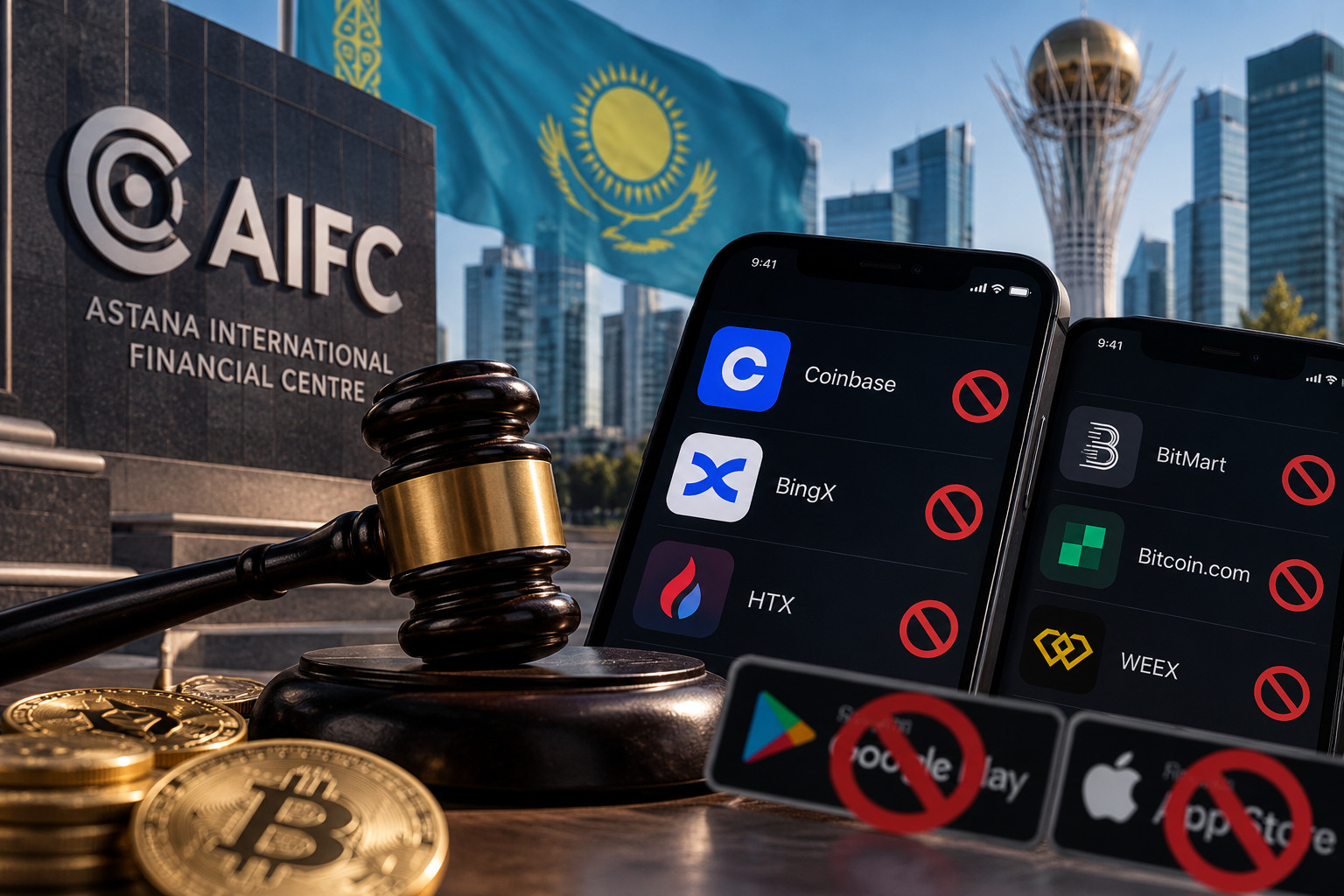
Astana IFC Court bans six crypto platforms from operating without a licence in Kazakhstan, with app store restrictions to follow

Ohio steps up enforcement against prediction markets over sports-related contracts
:strip_exif()/i.s3.glbimg.com/v1/AUTH_59edd422c0c84a879bd37670ae4f538a/internal_photos/bs/2026/d/6/MC6JuzTdedjHXc3TOOMg/globo-canal-4-20261019-2000-frame-94634.jpeg)
Willer Tomaz moved R$ 6.6 billion through bets in 18 months, Brazilian Apostas Secretariat says
Weekly high-risk digest
Regulation, sanctions and payment news across your verticals — once a week, free.
Please check your inbox and click the link to confirm your subscription.
Please enter a valid email address!