Finland’s regulated gambling market goes live in July 2027, and Altenar is already lining up for it

Finland is moving from a Veikkaus-centred monopoly to a regulated multi-operator market, with licensed sports betting and online casino set to launch in July 2027. For operators, the timetable is tight; for PSPs and platform providers, the main issue is that technical compliance is not an afterthought here, it is part of market entry.
- Applications for B2C licences opened in March 2026, the licensed market is scheduled to go live in July 2027, and mandatory B2B licensing for technology providers begins in July 2028. So the sequence is not just “get licensed and sort out the vendor stack later”; Finland has built the supply chain into the rollout.
- Altenar says it is aligning its platform, technical compliance and B2B roadmap to support operators entering the new framework. The company is positioning around technology readiness, local reporting and compliance obligations, and what it calls Nordic expertise from day one.
- The new regime comes with a fairly dense compliance package: annual reporting on financial performance, marketing, responsible gambling and operational development; technical audits, including independent laboratory approval of gaming systems and RNG (random number generator) verification before launch; and connection to the supervisory authority’s monitoring systems.
- Finland also expects gaming systems to be generally located in Finland, subject to certain exceptions. That matters for infrastructure planning, because where the system sits is no longer just a hosting detail; it is part of the licensing discussion.
- Responsible gambling controls must be in place before launch, including deposit limits, self-exclusion and player behaviour monitoring. Failure to comply can lead to sanctions ranging from financial penalties to licence revocation, which is the kind of risk operators and their partners tend to notice early.
For high-risk payment and platform providers, the useful takeaway is simple: Finland is not opening a loose, first-come-first-served market. It is setting a phased licensing framework that reaches into operations, technical architecture and compliance reporting, and that usually means vendor due diligence starts well before go-live.
Related news
All news →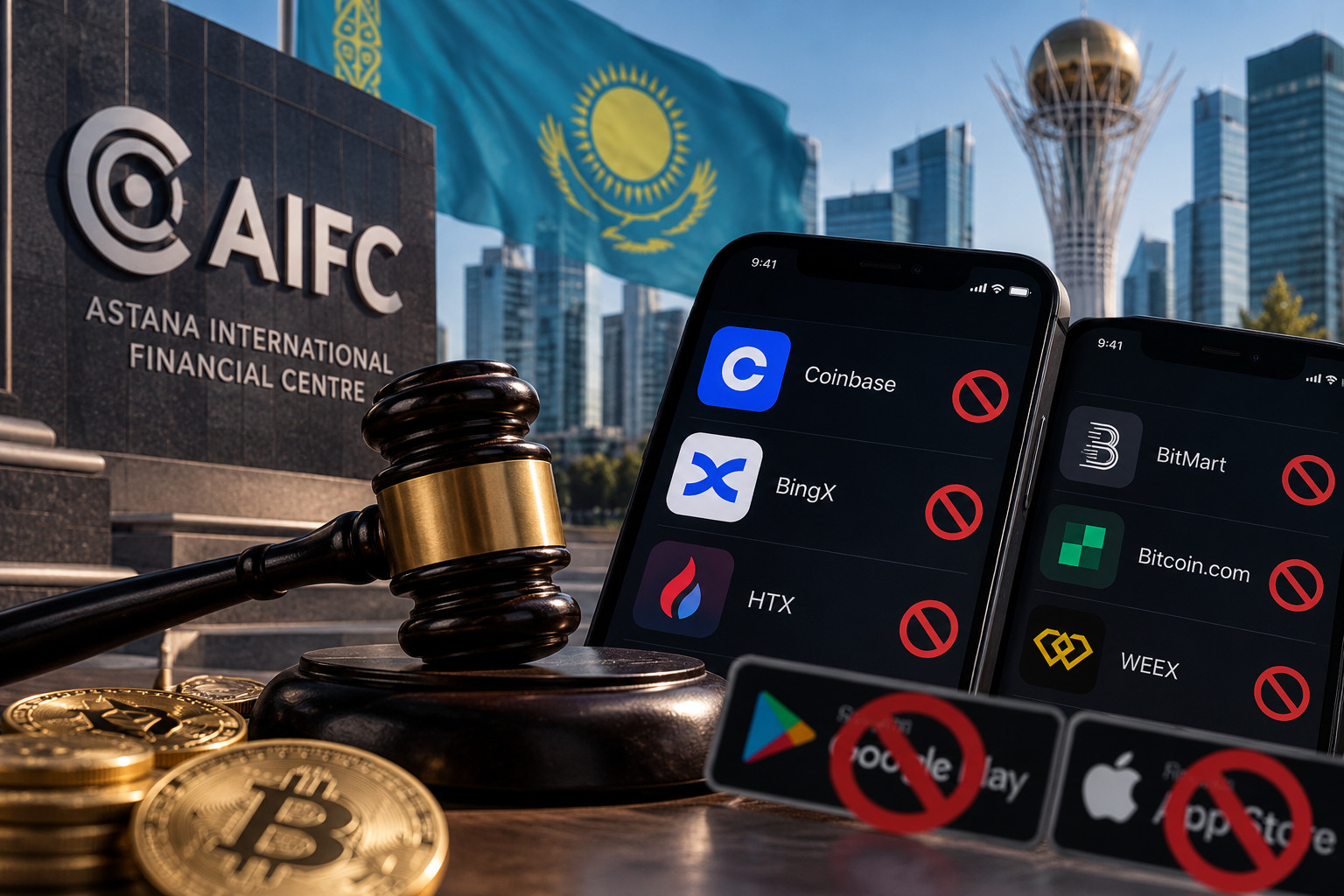
Astana IFC Court bans six crypto platforms from operating without a licence in Kazakhstan, with app store restrictions to follow

Ohio steps up enforcement against prediction markets over sports-related contracts
:strip_exif()/i.s3.glbimg.com/v1/AUTH_59edd422c0c84a879bd37670ae4f538a/internal_photos/bs/2026/d/6/MC6JuzTdedjHXc3TOOMg/globo-canal-4-20261019-2000-frame-94634.jpeg)
Willer Tomaz moved R$ 6.6 billion through bets in 18 months, Brazilian Apostas Secretariat says
Weekly high-risk digest
Regulation, sanctions and payment news across your verticals — once a week, free.
Please check your inbox and click the link to confirm your subscription.
Please enter a valid email address!