Three sentenced over 2024 UK general election betting scandal
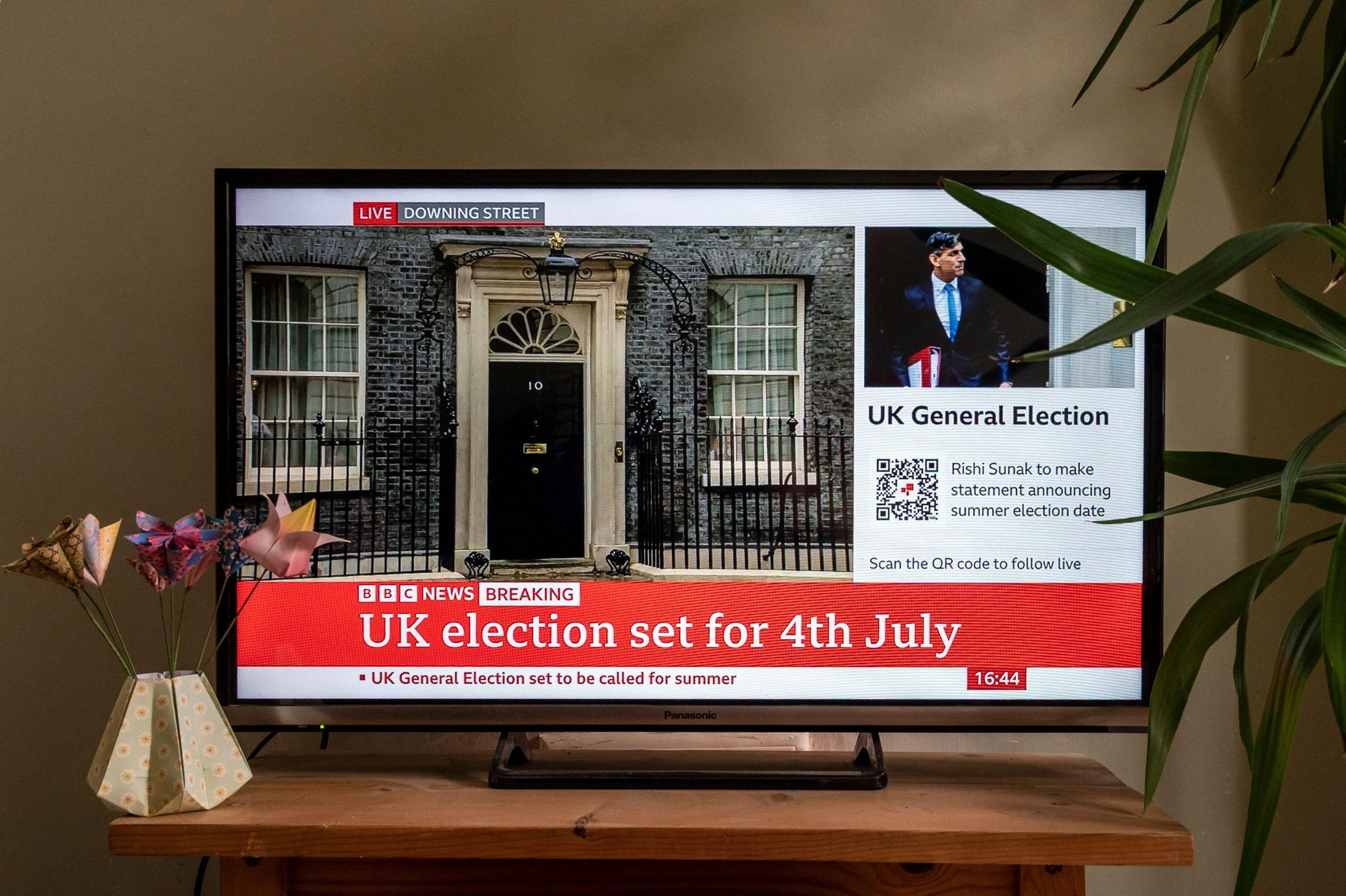
The UK Gambling Commission has called the case a “first of its kind” after three people linked to the Conservative party were sentenced over bets placed on the date of the 2024 general election. For PSPs and gambling operators, the useful part is not the politics; it is the enforcement pattern: inside information, PEP screening, and real-time monitoring all came into play.
- Anthony Lee, then the Conservative party’s director of campaigning, his wife and party candidate Laura Lee (maiden name Laura Saunders), and former Conservative staffer Amy Hind were sentenced for offences under Section 42 of the Gambling Act 2005. The Gambling Commission said they used inside information to place bets before Rishi Sunak publicly announced the election date on 22 May 2024.
- The judge said Anthony and Laura Lee placed bets worth more than £2,000 that would have won £23,000, according to Sky News. Amy Hind reportedly placed four bets and attempted to place three more that would have netted her £26,000.
- Anthony Lee received a 10 month 2 week sentence, Laura Lee received a 4 month 2 week sentence, and Amy Hind received a 6 month sentence. All three sentences were suspended for 12 months. They were also ordered to complete unpaid community service and each received a 12-month ban from using online gambling sites; both Lees must also pay £1,000 each in prosecution costs.
- The case followed an investigation in which 15 people were charged. Other figures charged with cheating offences under the Gambling Act will face trials in 2027 and 2028. Former Conservative MP Craig Williams, the highest-profile figure caught up in the scandal, pleaded guilty earlier this year and is expected to be sentenced later.
- The scandal came to light after Ladbrokes referred bets placed by Williams to the Gambling Commission after flagging him as a Politically Exposed Person (PEP). Katharine Diamond, general counsel at the Gambling Commission, said in a public statement that the case demonstrates the Commission’s commitment to protecting the integrity of betting markets.
For high-risk operators, the practical lesson is straightforward: when a bet touches a politically sensitive event, PEP checks and transaction monitoring are not ornamental. In this case, a bookmaker spotted the issue, escalated it, and the regulator turned it into a prosecution under Section 42.
Related news
All news →


Weekly high-risk digest
Regulation, sanctions and payment news across your verticals — once a week, free.
Please check your inbox and click the link to confirm your subscription.
Please enter a valid email address!