Biometric liveness in Brazil leaves a lot of bettors behind when accessibility is not built in

A sizable part of Brazil’s bettor base sits outside the “ideal” liveness-verification scenario, and that is exactly where poorly calibrated onboarding flows start blocking legitimate users. For operators, a failed check can look like fraud prevention on paper and lost revenue in practice.
- Many biometric liveness solutions are designed for a very narrow setup: a new smartphone, a good camera, stable connectivity, and a face that matches what the model recognizes most easily. That leaves out users on older devices, weaker connections, and non-standard facial profiles.
- When liveness does not account for those variations, the system often returns a rejection. In other words, a legitimate bettor cannot complete signup not because of fraud, but because the flow was not built for the user’s device or context. For the operator, that is indistinguishable from a successful fraud block — except the revenue is legitimate and it is lost at the door.
- The article points to real-world edge cases that rigid systems tend to reject by mistake: cameras below 720p, older operating systems, unstable mobile networks outside major urban centers, and facial features that fall outside the average training set, including vitiligo, albinism, scars, facial paralysis, or Down syndrome.
- Accessibility is not just about camera quality. Text-only instructions exclude users with reading difficulties or those relying on screen readers, while apps that require very precise touch input shut out users with motor limitations. That is a conversion problem, but it also becomes a compliance and onboarding problem when legitimate customers never make it through verification.
- Specialists cited in the source describe the minimum feature set for accessible liveness as: automatic capture once the face is in frame, voice prompts in addition to written instructions, compatibility with screen readers such as TalkBack and VoiceOver, tolerance for simpler cameras and unstable connections including 3G, and a facial-recognition model validated specifically against atypical faces rather than only the average patterns used in most training datasets.
The Legitimuz angle is straightforward: from the company’s start, accessibility has been part of product planning. For high-risk operators, that matters because the first verification step is not a formality — it is where a meaningful share of users either enters the funnel or disappears to a competitor that can validate them.
Related news
All news →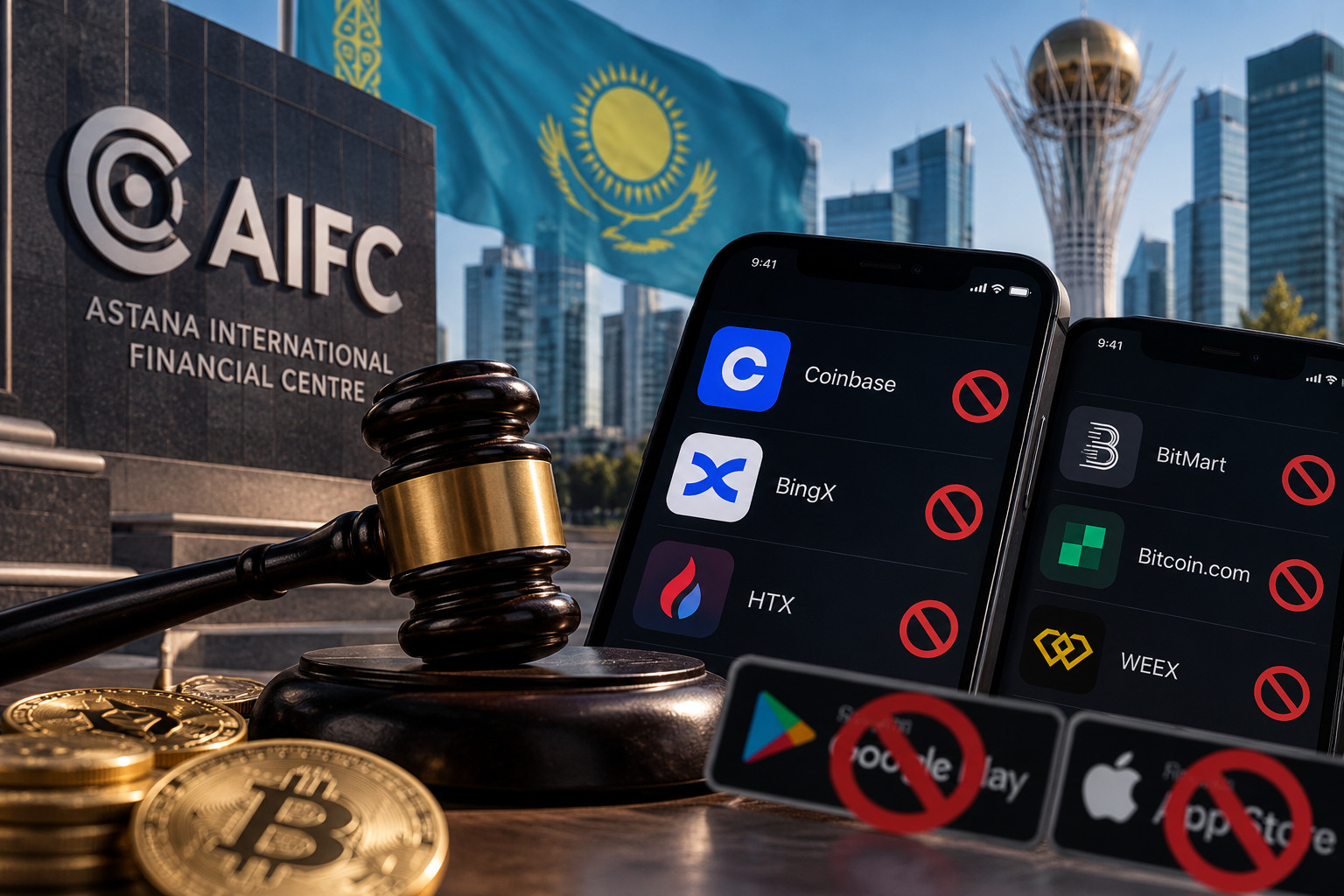
Astana IFC Court bans six crypto platforms from operating without a licence in Kazakhstan, with app store restrictions to follow

Ohio steps up enforcement against prediction markets over sports-related contracts
:strip_exif()/i.s3.glbimg.com/v1/AUTH_59edd422c0c84a879bd37670ae4f538a/internal_photos/bs/2026/d/6/MC6JuzTdedjHXc3TOOMg/globo-canal-4-20261019-2000-frame-94634.jpeg)
Willer Tomaz moved R$ 6.6 billion through bets in 18 months, Brazilian Apostas Secretariat says
Weekly high-risk digest
Regulation, sanctions and payment news across your verticals — once a week, free.
Please check your inbox and click the link to confirm your subscription.
Please enter a valid email address!