EU agrees new Russia sanctions and extends oil price cap at $44.10 for 12 months
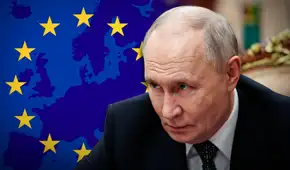
The European Union reached a political agreement on Thursday, July 23, on its 21st sanctions package against Russia, including a 12-month extension of the Russian oil price cap at $44.10 per barrel. For banks, PSPs, acquirers, and crypto businesses, the useful detail is not the politics: the package directly touches energy, financial services, trade, and cryptoassets.
- Ursula von der Leyen, President of the European Commission, said the sanctions "continue to weaken the economic foundations of the Russian war effort" and confirmed the inclusion of 32 banks on the list of entities frozen for transactions. That matters for anyone screening counterparties, routing payments, or maintaining exposure to financial institutions linked to Russia.
- António Costa, President of the European Council, called the deal "another decisive step to intensify pressure on Russia" and said the package hits energy, financial services, trade, and cryptoassets. In practice, that combination is the part payment firms need to read twice: it is not just a banking list, but a wider operational restriction set.
- Brussels kept the Russian oil cap at $44.10 per barrel instead of letting it rise automatically to $58. The stated goal was to stop Moscow from benefiting from market volatility, while the bloc also expanded measures against the "shadow fleet" used to move fuel and evade global controls.
- The agreement came after several weeks of difficult negotiations among the 27 member states, with Greece initially resisting a ban on transporting liquefied natural gas to destinations outside the EU. Athens said that measure would hurt European firms without reducing Russian revenues, because non-European operators would take over the business.
- To unlock the deal, Greece secured a temporary exemption for LNG contracts signed before February 24, 2022. That exemption is subject to annual review by the Council of the EU, and it allowed the package to move forward while preserving EU unity.
The sanctions package is also relevant because it explicitly includes cryptoassets. For high-risk operators, that usually means more pressure on screening, onboarding, and ongoing transaction monitoring whenever Russia-linked exposure shows up anywhere in the flow.
Related news
All news →
Weekly high-risk digest
Regulation, sanctions and payment news across your verticals — once a week, free.
Please check your inbox and click the link to confirm your subscription.
Please enter a valid email address!