PCDF raids illegal betting network in Operation Azzardo and freezes up to R$ 3.48 billion

The Distrito Federal Civil Police (PCDF) has moved against a suspected fixed-odds betting network that operated without federal authorization and allegedly laundered proceeds through shell companies, Pix flows and a São Paulo fintech on Avenida Brigadeiro Faria Lima. For PSPs and payment teams, the interesting bit is not the raid itself, but the machinery: front companies, payment routing through unrelated entities, and licensed infrastructure used to make unlicensed gaming look bankable.
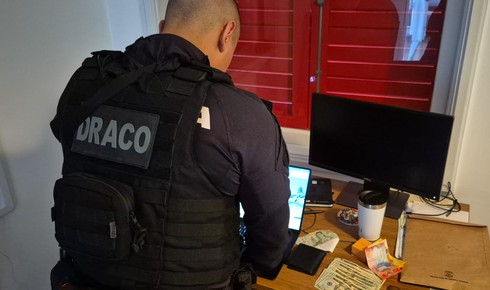
- The operation, launched on Thursday (5), was led by the Organized Crime Repression Unit (Draco/Decor) and involved around 200 civil police officers. Authorities executed 50 search and seizure warrants: 24 in the Federal District and 26 across São Paulo, Goiás, Paraná, Ceará and Rio Grande do Norte.
- The Sobradinho Guarantee Court authorized the blocking of up to R$ 3.483 billion from the suspects. That figure is the ceiling of the court-ordered restraint, not the amount actually seized or laundered. According to the published data, the scheme moved about R$ 1 billion, including R$ 739 million via Pix. No arrests had been recorded by publication time.
- The case began about five months earlier after alerts from the Secretariat of Prizes and Betting of the Ministry of Finance (SPA/MF). Regulators found betting platforms operating without federal authorization and forwarded the information to the PCDF.
- SPA technicians placed simulated bets on the investigated sites. The Pix QR codes they generated did not lead to gaming companies; instead, they pointed to legal entities registered under third-party names and engaged in unrelated businesses, including a psychosocial assistance clinic and a tarot goods shop, both registered in Sobradinho.
- According to the PCDF, the network had dozens of such companies opened between February and July 2026, with identical share capital and addresses concentrated in Sobradinho, Sobradinho II, Ceilândia and cities in Goiás. In one Ceilândia lot, ten companies listed the same phone number. Investigators also found empty properties and “for rent” signs during site visits.
The financial center of the scheme, the PCDF said, was a fintech headquartered on Avenida Brigadeiro Faria Lima in São Paulo and authorized by the Central Bank to operate as a Sociedade de Crédito Direto (SCD). Pix collections from the sites landed in accounts maintained at that institution, which also held accounts for other companies in the network, with constant rotation of proxies. The Central Bank had already said on 30 July 2026 that it intended to cancel the fintech’s operating authorization.
Related news
All news →Delaware judge blocks Papaya Gaming from moving money out of the US after reports of up to $30 million monthly transfers to Israel
Brazil police raid illegal betting network across DF and 5 states, target A55 and freeze up to R$ 3.483 billion

Brazil’s betting ban MP risks expiring before Congress even sets up the joint committee
Weekly high-risk digest
Regulation, sanctions and payment news across your verticals — once a week, free.
Please check your inbox and click the link to confirm your subscription.
Please enter a valid email address!