U.S. Treasury and FASB Publish Draft Rules on Stablecoin Issuance, Distribution, and Accounting
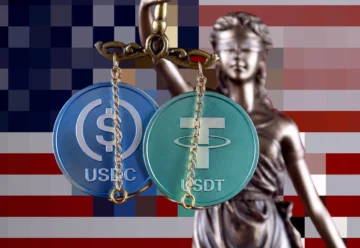
The U.S. Department of the Treasury and the Financial Accounting Standards Board (FASB) have both put out draft proposals that would reshape how stablecoins are issued in the U.S. and how companies account for them under U.S. GAAP. For PSPs, exchanges, brokers, and custodians, the important part is not just the legal wrapper: it is who is allowed to issue, who is allowed to distribute, and what kind of due diligence sits on the front end.
- The Treasury issued a Notice of Proposed Rulemaking (NPRM) to implement Section 3 of the Guiding and Establishing National Innovation for U.S. Stablecoins (GENIUS) Act. The proposal sets rules for the issuance, offering, and sale of payment stablecoins and is meant to create a unified framework for issuers that want access to the U.S. market.
- Under the proposal, once the law takes effect, only federally licensed issuers or issuers licensed under state frameworks recognized by federal authorities would be allowed to issue payment stablecoins in the U.S. Foreign companies would face separate requirements: they would need the technical capability to comply with lawful requests from U.S. authorities, follow the international cooperation mechanisms in the GENIUS Act, and register with the Office of the Comptroller of the Currency (OCC).
- The GENIUS Act was signed into law in July 2025. The current timeline says the key provisions take effect on January 18, 2027, while additional restrictions on the offering and sale of stablecoins in the U.S. are scheduled for July 18, 2028. That gives the market a runway, but not a very generous one if your business model depends on distributing foreign-issued stablecoins into U.S.-facing flows.
- The Treasury proposal also adds a compliance gate for digital asset service providers. Exchanges, brokers, and custodians would only be able to rely on statements made by foreign issuers after due diligence, including confirmation that the stablecoin is not subject to a ban on secondary market trading in the U.S., review of publicly available information about the issuer, and assessment of any other information that could indicate the issuer cannot comply with U.S. legal requirements. If the available information shows the issuer does not meet the law’s requirements, distribution of its stablecoins would be prohibited.
- The proposal also spells out which activities count as offering or selling stablecoins in the U.S. market. Treasury says that includes directly soliciting customers located in the U.S., advertising stablecoins to U.S. audiences, recommending ways to bypass geographic restrictions, and entering into a contract for the purchase or sale of stablecoins, regardless of the payment method or the timing of token delivery.
At the same time, FASB released a proposed Accounting Standards Update (ASU) to Statement of Cash Flows (Topic 230), aimed at clarifying when certain stablecoins may qualify as cash equivalents under U.S. GAAP. For operators and their finance teams, this matters because treatment on the balance sheet and cash flow statement is not just an accounting footnote; it affects treasury reporting, internal controls, and how quickly a CFO can get comfortable with stablecoin exposure.
Related news
All news →
Quaest poll will test whether Brazil’s bets ban changed votes in the Lula vs. Flávio Bolsonaro runoff

WalletConnect Pay goes live in South Africa through Ezeebit, with The Capital as first merchant

ZachXBT says more than $20 million in suspected illicit crypto moved through Hyperliquid-linked FXMR
Weekly high-risk digest
Regulation, sanctions and payment news across your verticals — once a week, free.
Please check your inbox and click the link to confirm your subscription.
Please enter a valid email address!