Brazil’s illegal sports betting market still accounts for 38% to 44%, study says

An IBJR-commissioned study by LCA says Brazil’s illegal sports betting market has fallen, but it still represents 38% to 44% of the total, with the base case at around 40%. For regulated operators and their payment providers, the key point is simple: a market this large still gives unlicensed platforms enough room to compete on payment methods, bonuses, and friction.
- The study was presented at a JOTA debate on Monday (31/8) at Casa JOTA in Brasília, with participation from representatives of the industry, Congress, and the federal government. The event was sponsored by IBJR and split into two panels: one on the illegal market itself and one on enforcement measures.
- LCA’s research used a Locomotiva survey conducted in May 2026 with about 2,300 respondents. The methodology labeled bettors as “eligible for the illegal market” if they met at least two of four criteria: using a credit card for deposits, paying with cryptoassets, lacking facial recognition, or accessing via a domain ending in “.noi”.
- Using that filter, half of the sample was classified as eligible. LCA then built three scenarios based on how much each bettor allocates to irregular platforms and arrived at the 38% to 44% range. Leonardo Lima, LCA’s Competition and Public Policy manager, said the interval between scenarios has narrowed compared with the previous study, which suggests greater precision and a decline from the earlier base case of 46% to about 40%.
- The earlier study, conducted at the start of regulation, put the illegal market at 41% to 51%, with a base case of 46%. In other words, the direction moved the right way, but not enough to make the problem go away.
- Leonardo Lima pointed to three drivers behind the decline: consumers maturing after more than a year under regulation, enforcement measures taking effect, and operators adjusting to the new regulatory environment. Even so, the structural gap remains: illegal platforms do not pay the R$ 30 million license fee, do not need to comply with the Lei Geral de Proteção de Dados, do not maintain control mechanisms, and can offer higher odds, unrestricted bonuses, and accept cryptoassets and credit cards.
Lima also noted that European countries with available research show illegal-market shares below 10%, with cases at 3% and 6%. Against that benchmark, Brazil is still operating near the worst end of the comparison set, which matters for PSPs because payment acceptance, fraud controls, and KYC friction remain part of the competitive edge between licensed and unlicensed books.
Related news
All news →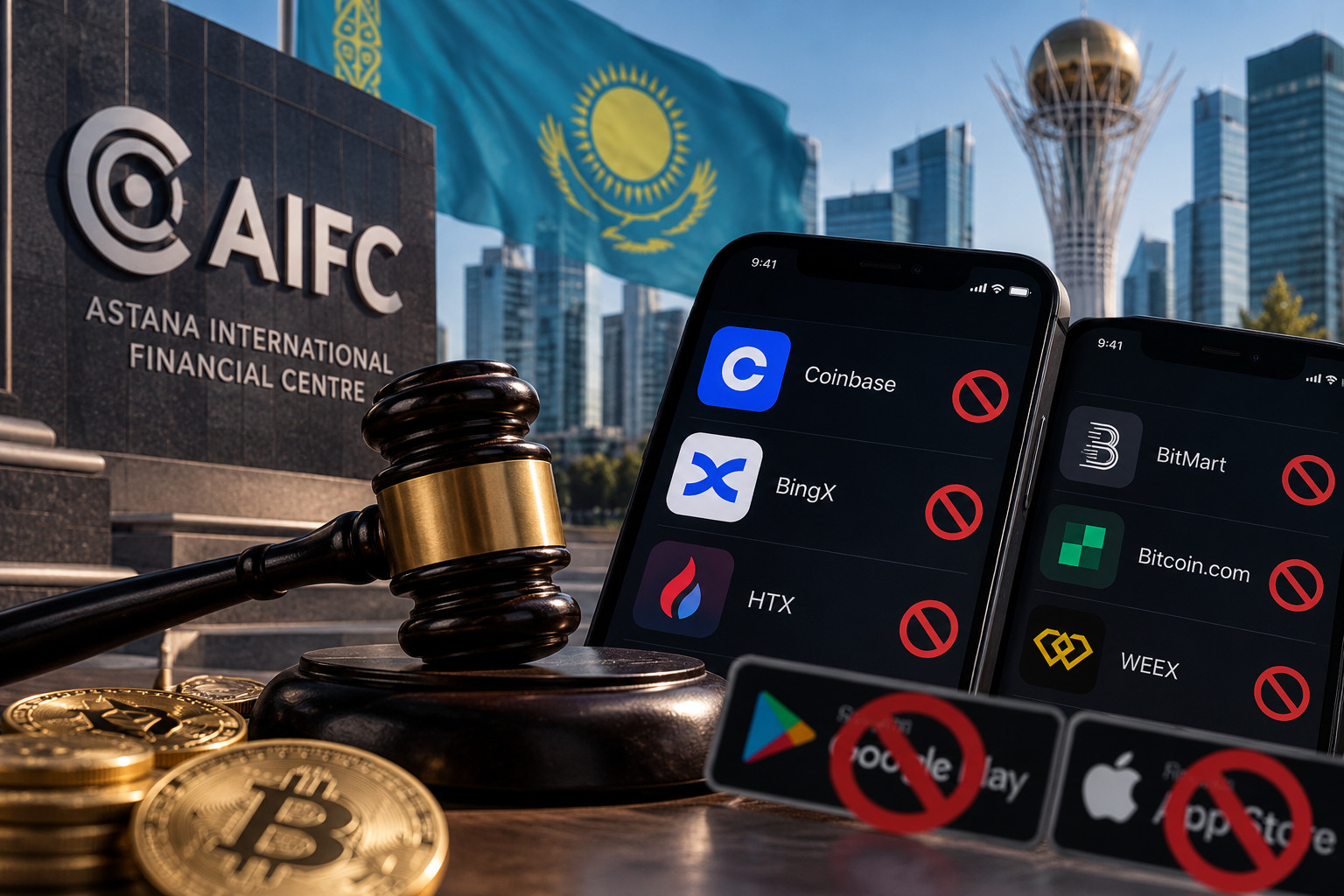
Astana IFC Court bans six crypto platforms from operating without a licence in Kazakhstan, with app store restrictions to follow

Ohio steps up enforcement against prediction markets over sports-related contracts
:strip_exif()/i.s3.glbimg.com/v1/AUTH_59edd422c0c84a879bd37670ae4f538a/internal_photos/bs/2026/d/6/MC6JuzTdedjHXc3TOOMg/globo-canal-4-20261019-2000-frame-94634.jpeg)
Willer Tomaz moved R$ 6.6 billion through bets in 18 months, Brazilian Apostas Secretariat says
Weekly high-risk digest
Regulation, sanctions and payment news across your verticals — once a week, free.
Please check your inbox and click the link to confirm your subscription.
Please enter a valid email address!