Gamecheck calls on online gaming operators, providers and platforms to adopt its SEAL against fake games
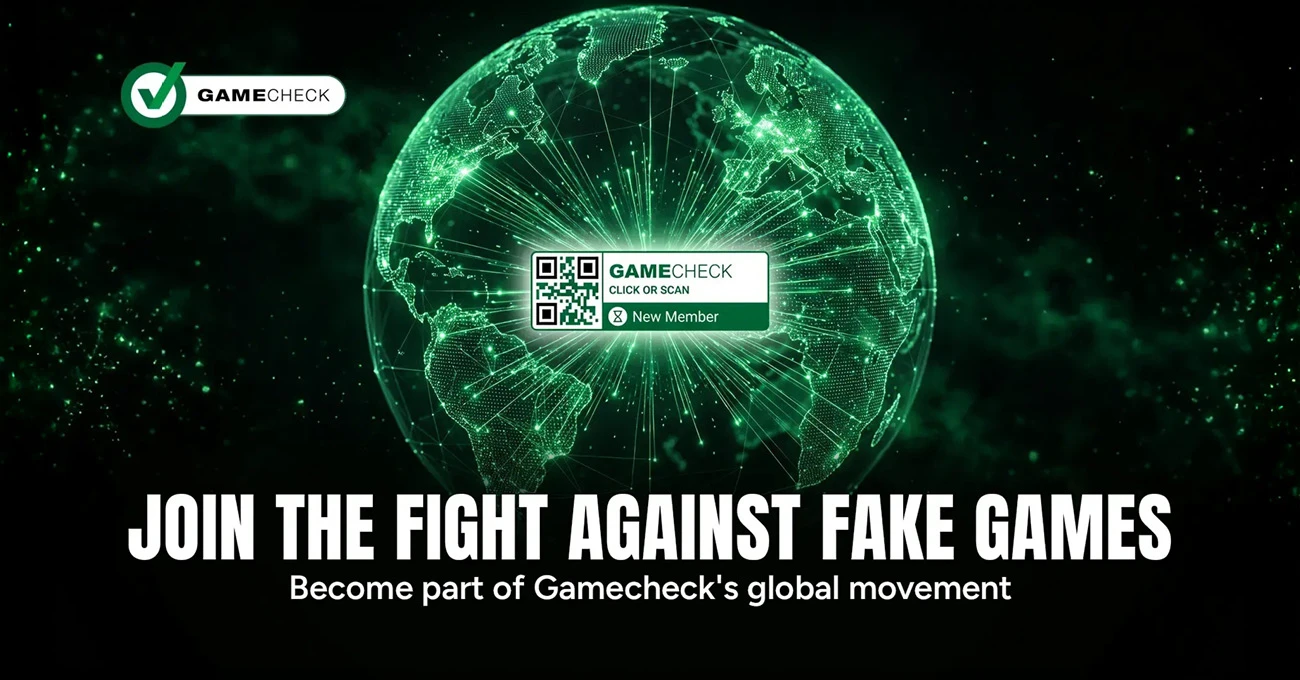
Gamecheck has put out an open invitation to the wider iGaming industry to join its fight against fake games, with the Gamecheck SEAL positioned as a domain-specific verification badge for real games. For high-risk operators and PSPs, the useful bit is simple: the badge is designed to make it harder for copied content and rogue sites to hide inside a crowded market.
- Gamecheck says fake games are not something one operator, provider or platform can solve alone. Its pitch is a shared industry approach, because a rogue operator shut down in one market can reopen under a new domain within days, while a copied game removed from one site can reappear on another the same week.
- The Gamecheck SEAL is issued only after a selection of games has been checked directly with the original game providers and confirmed real. It is tied to a specific domain, so it cannot be copied onto another site. Each SEAL has its own QR code, is checked through the Gamecheck app rather than by clicking a webpage link, and every result is recorded on the blockchain.
- If fake games are detected after a Gamecheck SEAL has been issued, the badge is removed straightaway, and the operator faces a 12-month wait before reapplying. That makes the SEAL less of a marketing sticker and more of an ongoing compliance signal.
- Gamecheck says the value increases when the badge is spread across the industry, because players no longer have to guess which sites to trust. In its framing, a visible, shared verification mark makes rogue operators easier to spot because they are no longer blending in with unverified sites.
- The list of partners already backing the Gamecheck SEAL includes Push Gaming, NetEnt, Nolimit City, Pronet Gaming, Spribe, Ezugi, Evolution, Blueprint Gaming, Pragmatic Play, Big Time Gaming, Red Tiger and Relax on the provider side, plus Casino Guru as a review platform. Operators already displaying the SEAL include Betfred, Betway, BetVictor, BC.GAME, Coins.game, GG.Bet, Gamdom, Spartans and Soccerbet across Serbia, Bosnia and Montenegro, as well as Asya Bahis and Havanabet in the Turkish market.
For the people running payments into online gaming, the practical takeaway is that trust signals are becoming more operational, not just reputational. A badge that is tied to a specific domain, checked in-app, and removed if fake content appears creates a clearer line between verified and unverified traffic.
Related news
All news →


Weekly high-risk digest
Regulation, sanctions and payment news across your verticals — once a week, free.
Please check your inbox and click the link to confirm your subscription.
Please enter a valid email address!