EU gambling operators face new AML rules from July 10th, 2027, with €2,000 due diligence threshold
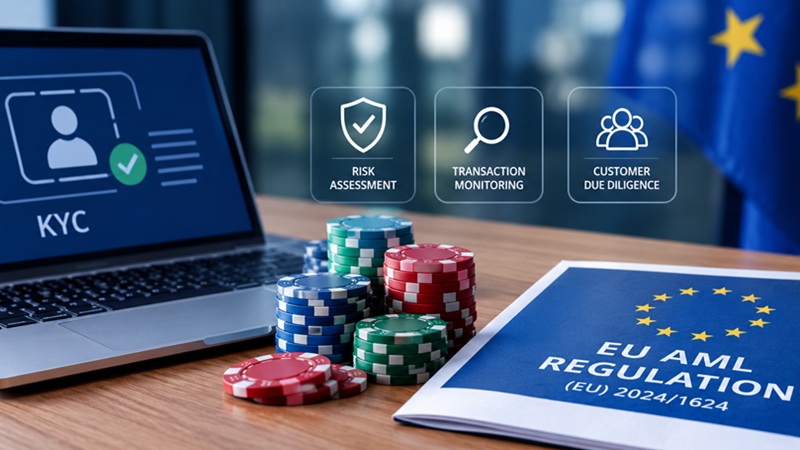
Europe’s gambling sector is getting a common anti-money laundering framework, and the part PSPs should care about is not the headline date but the operational detail: when customer due diligence kicks in, how linked transactions are treated, and where Member States may still carve out exemptions.
- Regulation (EU) 2024/1624, published in June 2024, will generally apply from July 10th, 2027 and is designed to harmonize AML requirements across the European Union. For gambling operators, that means existing compliance procedures, customer verification flows, and suspicious-transaction detection systems all need a review before the rulebook starts biting.
- The key threshold is €2,000: customer due diligence conditions apply to gambling services when bets, the collection of winnings, or both reach €2,000 or more, whether through a single transaction or linked transactions. The regulation does not mean every customer must be verified before their first bet; it sets specific circumstances for due diligence and also requires monitoring for linked activity.
- Operators must apply a risk-based approach to money laundering and terrorist financing, and assess when identification and verification measures are required. In practice, that puts pressure on onboarding, transaction monitoring, data integration, and internal risk scoring, which is exactly where friction tends to appear for players and payment flows.
- Member States may grant full or partial exemptions to certain gambling service providers where risks are shown to be low and the regulation’s conditions are met. These exemptions are not automatic and do not apply across the industry by default, so market-by-market analysis still matters.
- Deloitte, in its analysis of the EU’s AML regulation for gambling, says the challenge is meeting the new requirements without creating unnecessary friction for customers. “The challenge is not simply meeting new AML requirements. It is doing so while preserving the customer experience,” said Dániel Bognár, Director at Deloitte Central Europe’s Gambling Centre of Excellence.
The thing is, this is the kind of rule change that matters less in the press release and more in the payment stack: thresholds, linked transactions, and verification logic will affect how operators route deposits, delay withdrawals, and decide when a payment trigger becomes a compliance event.
Related news
All news →
Sports betting sponsorships across the Americas rose 145% between 2020 and 2025, led by DraftKings, FanDuel, BetMGM, Caliente, Betano and Superbet
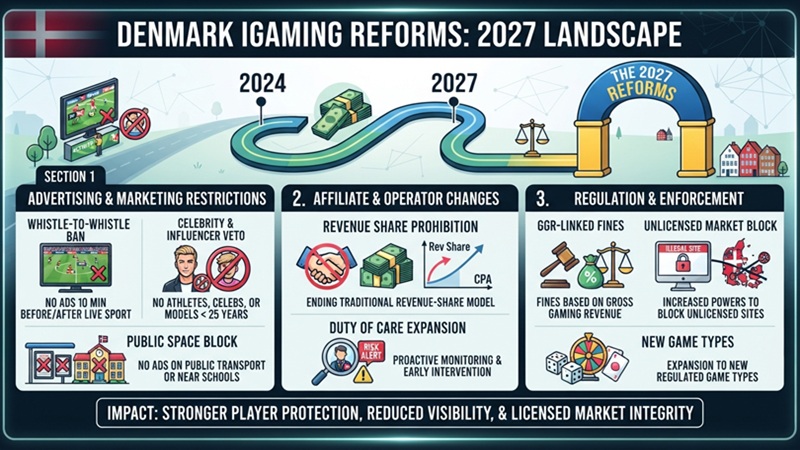
Denmark’s iGaming market heads into 2027 reforms as online casino becomes the biggest segment

Russian national detained in the US over alleged crypto network moving $50 million a day
Weekly high-risk digest
Regulation, sanctions and payment news across your verticals — once a week, free.
Please check your inbox and click the link to confirm your subscription.
Please enter a valid email address!