German gambling regulator wants more room to adapt as five-year review opens
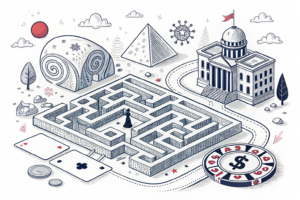
Germany’s Gemeinsame Glücksspielbehörde der Länder (GGL) is using its five-year review to make a very specific point: the market moves faster than the legislative cycle. For licensed operators, PSPs, and banks touching German gambling, that matters because the regulator is asking lawmakers to build more flexibility into the framework rather than freeze it in its current form.
- The GGL says it now oversees 129 licensed operators and 229 authorised websites, with around 100 employees and the enforcement setup that came out of the 2021 Interstate Treaty on Gambling, which consolidated key supervision functions from Germany’s 16 states into one authority.
- In 2025, the regulator carried out more than 600 supervisory investigations of licensed operators to check compliance with player protection rules, advertising restrictions, and the design of gambling products. It also monitors technical and organisational changes at operators, and it has revoked two licences to date.
- The GGL says its LUGAS system is the central technical infrastructure for player protection and market monitoring. By the end of 2025, the system had recorded 5.3 million registered players in its central databases.
- Enforcement against illegal gambling has picked up sharply: prohibition proceedings rose from 68 in 2022 to 287 in 2025. The regulator says 1,843 illegal websites were blocked or removed from the German market, while 254 unlicensed operators stopped offering services in Germany.
- Ronald Benter, a GGL board member, said the authority has moved from political mandate to a “fully functional, nationwide specialist agency” and now has the experience, specialist knowledge, and technical capabilities to supervise a “highly digitised and internationally oriented online gambling market.” The regulator’s argument is straightforward: gambling technology and business models are changing faster than the current multi-year legislative process can keep up.
For high-risk payment businesses, the practical takeaway is not that Germany is relaxing. It is that the regulator wants a framework that can react faster to market changes, which usually means less room for anyone hoping to hide behind technicalities and more pressure on licensing, monitoring, and enforcement discipline.
Related news
All news →
/https://i.s3.glbimg.com/v1/AUTH_da025474c0c44edd99332dddb09cabe8/internal_photos/bs/2026/L/X/Y2kp8xTamTitx8onnVeA/esportecapa.jpg)
Weekly high-risk digest
Regulation, sanctions and payment news across your verticals — once a week, free.
Please check your inbox and click the link to confirm your subscription.
Please enter a valid email address!