Attorney Says CFTC’s Kalshi Backing Raises Court-Order Compliance Questions Across U.S. States

The Commodity Futures Trading Commission (CFTC) used emergency authority to keep Kalshi operating despite a New York lawsuit seeking to shut down its event contracts. That set off a broader fight over who gets the last word when state gambling laws, federal derivatives oversight, and court orders all point in different directions.
- Earlier this month, the CFTC ordered Kalshi to continue operating after New York Attorney General Letitia James filed a lawsuit seeking a restraining order to block its event contracts and more than $36 billion in damages.
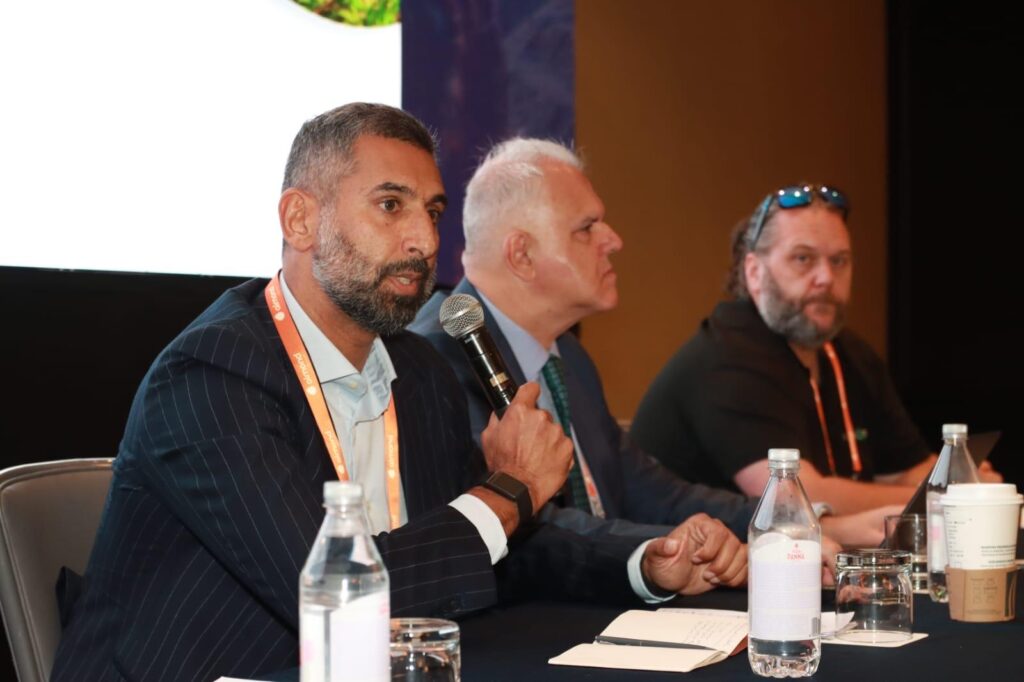
- Joe Webster, a partner at Hobbs Strauss, criticized the regulator during the Indian Gaming Association’s (IGA) New Normal webinar, saying the CFTC’s orders effectively force companies to keep offering contracts even when a court orders them to stop. His point was blunt: “the federal agency doesn’t get to usurp that judicial function.”
- Webster said the issue is not confined to New York. He pointed to similar disputes in multiple states, arguing that the real operational problem for prediction market providers is what to do when state and federal directives conflict.
- Connecticut has also produced a parallel fight. Federal judge Vernon D. Oliver ruled that the CFTC lacks authority to override the court’s interpretation of federal law when deciding how Kalshi should reconcile its obligations with Connecticut’s gaming statutes.
- The CFTC has also gone on offense, filing federal lawsuits against at least nine states: Arizona, Connecticut, Illinois, Kentucky, Minnesota, New York, Rhode Island, and Wisconsin. In those cases, it seeks to stop state authorities from enforcing regulations against federally regulated platforms such as Kalshi and Robinhood.
Arizona shows how fast these disputes can escalate. Scott Crowell, an attorney with Crowell Law Office Tribal Advocacy Group, said the state filed a criminal action against Kalshi, after which the CFTC sued Arizona and the cases were consolidated in federal district court. US District Judge Michael Liburdi then ordered Arizona to halt its prosecution of Kalshi, holding that federal law preempts state gambling laws to the extent they try to regulate derivatives exchanges overseen by the CFTC.
Related news
All news →

Weekly high-risk digest
Regulation, sanctions and payment news across your verticals — once a week, free.
Please check your inbox and click the link to confirm your subscription.
Please enter a valid email address!