Brazil’s regulated betting and digital casino market hit R$ 12.2 billion in Jan-Apr 2026 and paid R$ 4.5 billion in taxes
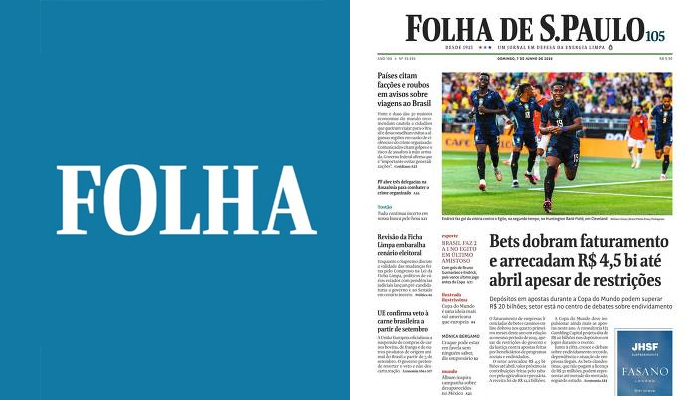
Brazil’s licensed online betting and digital casino sector is scaling fast enough to matter for PSPs, acquirers, and banks watching high-risk volumes. According to Receita Federal data cited by Folha de S.Paulo, revenue rose 105% in January-April 2026 versus the same period in 2025, while tax payments reached R$ 4.5 billion.
- The regulated market, which started operations in January 2025, generated R$ 12.2 billion from January to April 2026. That compares with the first four months of 2025, when sector revenue was much lower, and the year-on-year increase was 105%.
- Tax collection from betting operators increased from R$ 2.2 billion in the first four months of 2025 to R$ 4.5 billion in the same period of 2026. The tax take equals 37% of the sector’s revenue, a number that helps explain why the business is already on the radar of the Brazilian treasury.
- For scale, the article notes that tobacco and agriculture each contribute about R$ 1 billion per month in taxes to the state. Betting is not there yet, but it is already close enough for policymakers to compare the vertical with established industries rather than with a niche leisure market.
- Total sector revenue reached R$ 36.9 billion in 2025, even with government and court restrictions on bets placed by recipients of social programs and by indebted people. In other words, the market kept growing while the rulebook was still being written and enforced.
- The Ministry of Finance has issued 85 licenses since the regulated market began. Each authorization covers three websites, and there are currently 187 platforms approved to operate in Brazil. The ministry also says 25 million CPF numbers placed bets in 2025, up from 17 million at the end of the first half of that year.
One detail high-risk PSPs will care about: the average player spent R$ 123 per month on online betting in 2025, after deducting winnings from deposits. The Ministry of Finance also said each player has accounts with four betting brands on average, which is exactly the kind of multi-merchant footprint that matters when you are thinking about onboarding, fraud, and portfolio concentration.
Market concentration is already visible too. H2 Gambling Capital estimates that ten brands controlled 68.8% of the market at the end of 2025, with Greece’s Betano leading at 23% of revenue.
Related news
All news →
Brazil’s registered bettors rose 75% to 43.8 million by August 2026, but active users fell 7.6% in H1

Russia’s Crypto Exchange Market Is Moving Into a Transition Period, and Three Paths Are Left for Operators
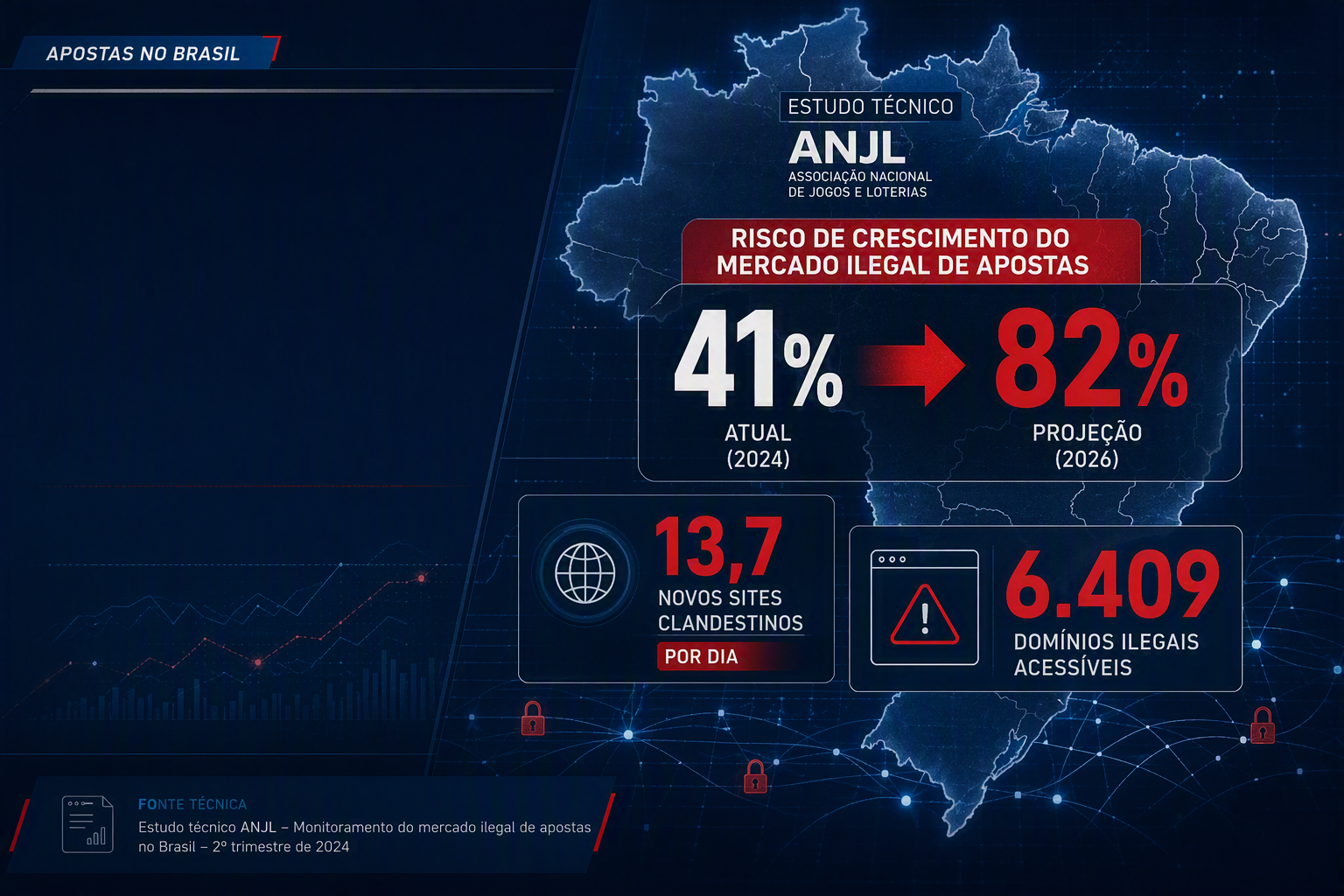
Brazilian betting ban could push illegal gambling share from 41% to 82%, ANJL says
Weekly high-risk digest
Regulation, sanctions and payment news across your verticals — once a week, free.
Please check your inbox and click the link to confirm your subscription.
Please enter a valid email address!