Home/news/What Russia’s digital ruble is, who can use it, and why the central bank wants it
news
What Russia’s digital ruble is, who can use it, and why the central bank wants it
Payments High Risk
25 Jul 2026 · 2 min read
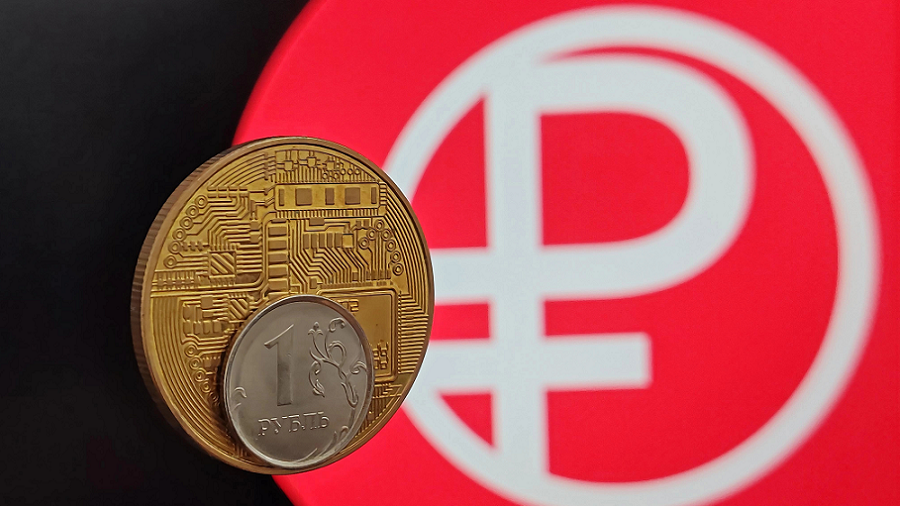
Russia’s central bank has been building its digital ruble for about six years, with a public full launch expected in September 2026. The important bit for PSPs and banks: this is not crypto, it is a central bank digital currency (CBDC) with a centralized issuer and a state-controlled platform.
The digital ruble is Russia’s CBDC: a third form of the national currency, alongside cash and bank deposits. All transactions run on a special platform operated by the Bank of Russia, and the authorities say access will be available to every commercial bank and every Russian citizen.
The state has already sketched the use case it cares about most: moving budget payments, salaries for public-sector employees, and pensions into the CBDC rails. In other words, this is not being framed as a retail novelty; it is being built as an instrument the government can route payments through.
As of the end of July 2026, only clients of banks participating in the CBDC pilot can use digital rubles. The pilot involves about 30 banks, including Sber, Alfa-Bank, and VTB. The stated plan is broader access for clients of all credit institutions from 1 September 2028.
The practical check is simple: if a bank supports the digital ruble, that should show up in its mobile app, or the bank’s support team should be able to confirm it. For providers watching bank coverage in Russia, that is the current gating factor.
The Bank of Russia insists the digital ruble is not a cryptocurrency. Its argument is straightforward: Bitcoin and similar systems are decentralized, peer-to-peer, and usually have capped issuance, while the digital ruble has a centralized issuer, is issued by the central bank, and is just another version of the national currency. The same is true when people compare it with stablecoins such as USDT: those can be issued by private companies like Tether and typically run on blockchains such as Ethereum or Tron.
For high-risk payment operators, the key detail is control. A CBDC with a central issuer and a state platform is a very different animal from crypto rails or bank deposits, and Russia is explicitly building this one for traceability and government use.