ANJL pushes back on Brazil Central Bank debt claims and says online betting runs on Pix, not credit cards
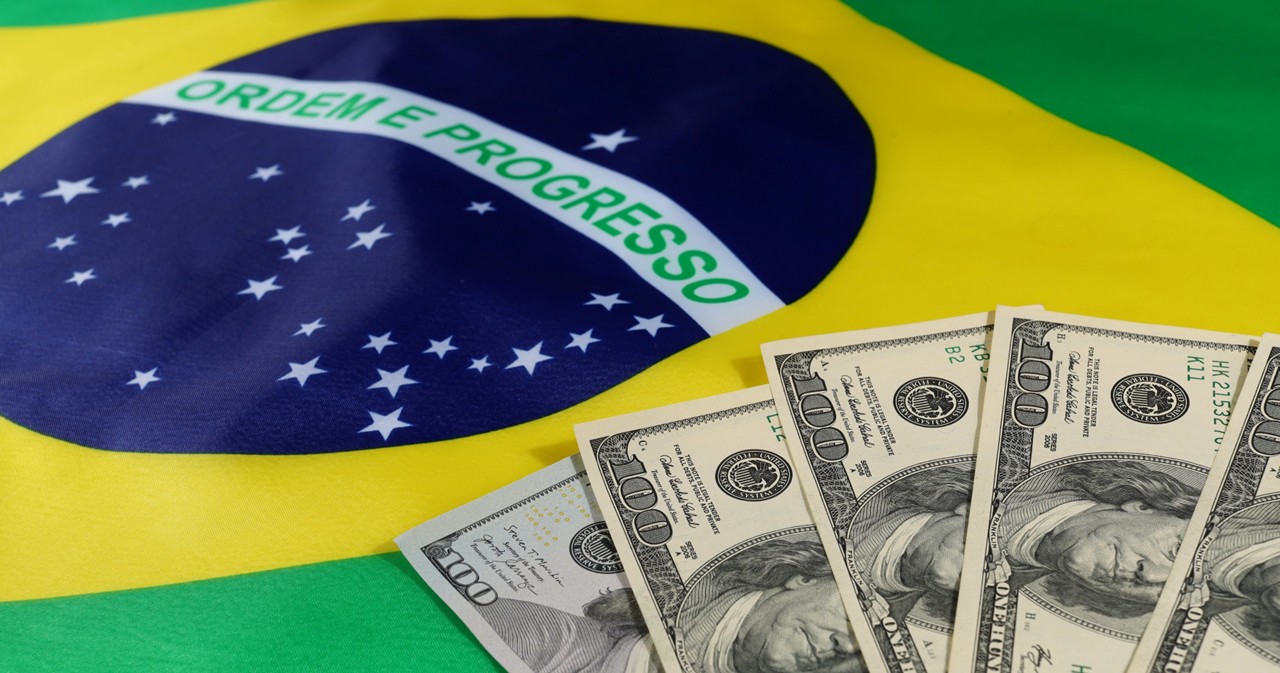
Brazil’s National Association of Games and Lotteries (ANJL) has challenged recent comments from Gabriel Galípolo, president of the Central Bank of Brazil, on household indebtedness. For regulated betting operators and their PSPs, the point is simple: if the product is funded through Pix rather than credit cards, the payment rail changes the risk profile.
- The ANJL said the Central Bank’s analysis did not identify online betting as a cause of the delinquency now affecting about 84 million people in Brazil, according to Serasa data. In other words, the association is rejecting a direct line between regulated betting and the country’s household debt problem.
- Plínio Lemos Jorge, president of ANJL, argued that Brazil’s online betting market operates through Pix as the payment method, without using credit cards. That matters because, in the sector’s reading, it avoids the kind of borrowed-money spending that tends to drive chronic consumer debt in other verticals.
- The use of Pix only was also built into the sector’s regulatory framework for an explicit reason: to prevent overindebtedness by removing the option to bet with credit. For PSPs and acquirers, that is the clean regulatory logic regulators are trying to enforce on paper.
- ANJL also cited data released by the Ministry of Finance during the launch of Novo Desenrola Brasil. According to that information, less than 3% of registered online bettors at the time of launch had debt-related restrictions and were included in the program.
- The association added an important caveat: the remaining 97% not appearing in that specific restrictions database does not mean they have no debts at all. It only means they were not linked to the database used for the program. ANJL’s point is narrower: the data does not support a blanket claim that online betting is what is driving recorded overindebtedness.
ANJL also used the moment to underline the regulated sector’s economic contribution in Brazil, saying online betting generated 1.748,8 million dollars (9.000 million reais) in tax revenue, on top of employment and Gross Gaming Revenue contributions. For payment providers, the regulatory takeaway is clear enough: in Brazil, the debate is not just about whether betting is allowed, but which payment rails are permitted and how directly they expose users to credit.
Related news
All news →

Weekly high-risk digest
Regulation, sanctions and payment news across your verticals — once a week, free.
Please check your inbox and click the link to confirm your subscription.
Please enter a valid email address!