Russia to Ban Crypto Transfers Between Personal Addresses and Self-Custody Wallets From July 1
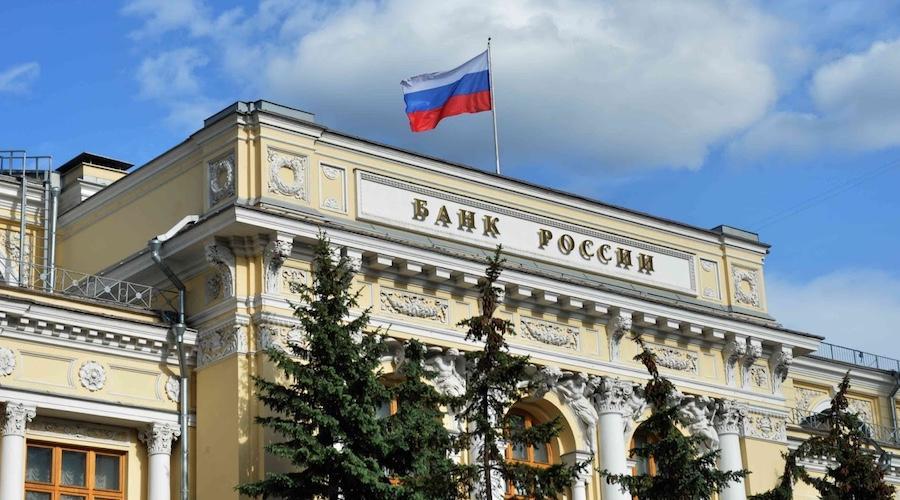
Starting July 1 next year, Russian residents will be barred from transferring cryptocurrency from personal addresses to their own non-custodial wallets, including hardware and cold wallets. For PSPs and crypto operators, the important part is that Russia is drawing a hard line around what counts as an “official” domestic crypto flow and forcing transactions through licensed players.
- From July 1, transfers between a person’s own crypto addresses and their own non-custodial wallets will be prohibited in Russia. Until that date, such transfers are still allowed. The rule covers hardware wallets and cold wallets, where only the owner has access to the assets.
- After July 1, all transactions will have to go through legal operators listed in the Bank of Russia register. That register includes crypto exchangers, banks, brokers, and management companies. The central bank also said brokers will be prohibited from attracting digital currency from clients under loan agreements, which means leveraged trading is off the table.
- The clarification applies only to the “official Russian perimeter.” Crypto stored and exchanged on foreign exchanges and in non-custodial wallets is outside Russian jurisdiction, and Russian residents may dispose of it freely under the law.
- There are currently 12 registered crypto exchangers in the Bank of Russia register and eight organizations in the digital custodians register. Among the first firms to receive crypto exchange licenses were Sber, VTB, and T-Bank.
- The Bank of Russia is also preparing new anti-money-laundering rules that would require crypto exchangers and crypto custodians to reject any transfer if sender and recipient data are missing.
For high-risk operators, the practical takeaway is simple: Russia is tightening the domestic onshore channel while leaving offshore activity outside the regulator’s reach. That split is exactly where payment routing, custody, and compliance decisions start to matter more than the marketing decks do.
Related news
All news →
:strip_exif()/i.s3.glbimg.com/v1/AUTH_59edd422c0c84a879bd37670ae4f538a/internal_photos/bs/2026/o/D/vLtFB3T1qgmgtx2HPt7w/37447615496-4cb71e3490-k.jpg)

Weekly high-risk digest
Regulation, sanctions and payment news across your verticals — once a week, free.
Please check your inbox and click the link to confirm your subscription.
Please enter a valid email address!