Chile’s Online Gambling Bill Faces Two Senate Ban Proposals as Government Pushes 5-Year Licenses
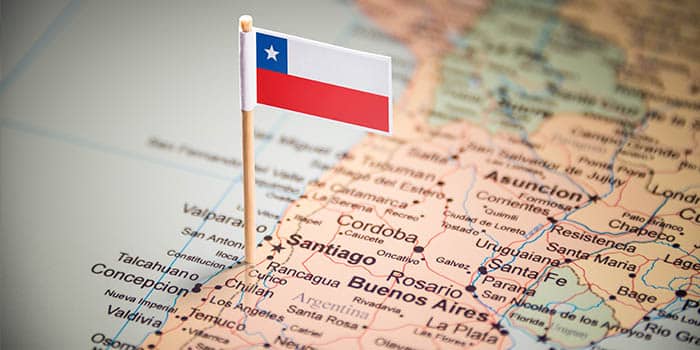
Chile’s online gambling bill is now a three-way fight: the government wants a regulated private market, while senators are pushing proposals that would either confine online betting to the country’s lotteries or ban private operators outright. For PSPs and acquirers, the details matter because the draft rules cover licensing, taxes, advertising, player limits, and site blocking.
- Earlier this week, President José Antonio Kast’s government submitted a 114-page package of amendments that would create five-year licenses for private operators, add new taxes, and tighten player protection measures. The bill, originally introduced in 2022, is now in its second constitutional review in the Senate after passing in August 2025 by 27 votes to three, with five senators abstaining.
- Under the government’s plan, private operators would pay an annual fee of 1,000 monthly tax units, or about $77,000 at current rates. The proposed tax regime would add 19% VAT on the difference between stakes and winnings, plus an additional 3% gambling tax.
- The same framework would ban advertising and promotional bonuses and introduce default limits on player deposits and playing time. Operators that ran without a license in Chile during the preceding year would generally be blocked from applying, unless they reached a transitional agreement with the authorities.
- One Senate counterproposal, from Senator Paulina Núñez, would restrict online gambling to Polla Chilena de Beneficencia and Lotería de Concepción. It would also prohibit both lotteries from expanding into new gambling products, while adding criminal penalties for unlicensed operators and permanent website-blocking measures aimed at illegal platforms.
- A separate proposal from Senators Diego Ibáñez and Gastón Saavedra would go further and impose a complete ban on private online gambling operators. Companies already registered with Chile’s tax authority would have up to 24 months to wind down, and any platform accepting bets from users in Chile would be treated as operating in the country, regardless of where its servers or other infrastructure are located. Violations could carry prison sentences of six months to three years, plus financial penalties.
Chile’s debate sits inside a wider Latin American pattern of tighter gambling rules, with Buenos Aires in Argentina also considering a ban. For operators and payment providers, the practical question is not whether regulation is coming, but whether Chile ends up with a licensed private market, a lottery-only model, or a hard shut-the-door approach.
Related news
All news →


Weekly high-risk digest
Regulation, sanctions and payment news across your verticals — once a week, free.
Please check your inbox and click the link to confirm your subscription.
Please enter a valid email address!