Beyond Pix: Why Latin America Still Has a Cross-Border Payments Problem
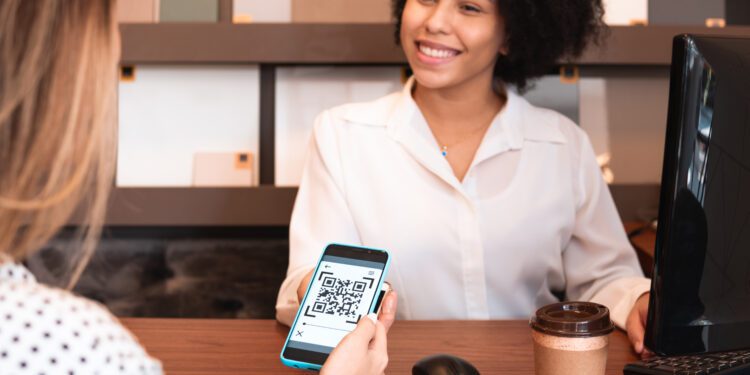
Pix made domestic payments in Brazil feel boring in the best possible way: fast, cheap, and everywhere. The catch is that the same merchant still hits the old machinery the moment money has to leave Brazil, which is exactly where PSPs, acquirers, and high-risk merchants need the rails to work.
- Pix launched in 2020 as Brazil’s government-backed instant payment network, and it has become one of the world’s most widely adopted payment systems. In a single year, it processed more than 64 billion transactions, a 52% year-over-year increase, and that volume surpassed the combined volume of credit and debit card transactions. Today, Pix accounts for more than 90% of Brazil’s instant payment activity.
- The domestic experience is the point: scan a QR code, and money moves in 0.3 seconds with zero fees and no forms. That has made Pix a genuine piece of financial infrastructure, not just another checkout option.
- Pix is also showing up in B2B flows. In December 2024 alone, it processed over BRL 1 trillion in B2B transactions, up 56% year-over-year. On its busiest day, 252 million transactions cleared, and person-to-business payments grew 94% year-over-year.
- By 2025, Pix was already on track to overtake credit cards in Brazil’s e-commerce market. That matters because it means domestic payment behavior is moving much faster than legacy rails, which tends to make anything outside the country look more primitive than it probably should.
- But Pix was never designed to solve cross-border payments. A Brazilian merchant paying a supplier in Mexico or settling an invoice with a manufacturer in China still faces correspondent banking chains, pre-funded accounts, a two-to-five-day settlement window, foreign exchange controls that require documented justification for BRL capital outflows, and a compliance process that has barely changed since the 1990s.
A “cross-border Pix” is in development, but its design intent is narrow: it is meant to let Brazilian residents use Pix while traveling or transacting abroad. It extends the domestic network; it does not rebuild how BRL moves across sovereign clearing systems. For high-risk PSPs, the useful takeaway is simple: Brazil solved the local user experience, not the border.
Related news
All news →
Weekly high-risk digest
Regulation, sanctions and payment news across your verticals — once a week, free.
Please check your inbox and click the link to confirm your subscription.
Please enter a valid email address!