EU prepares sanctions on 11 crypto platforms used to route around Russia restrictions
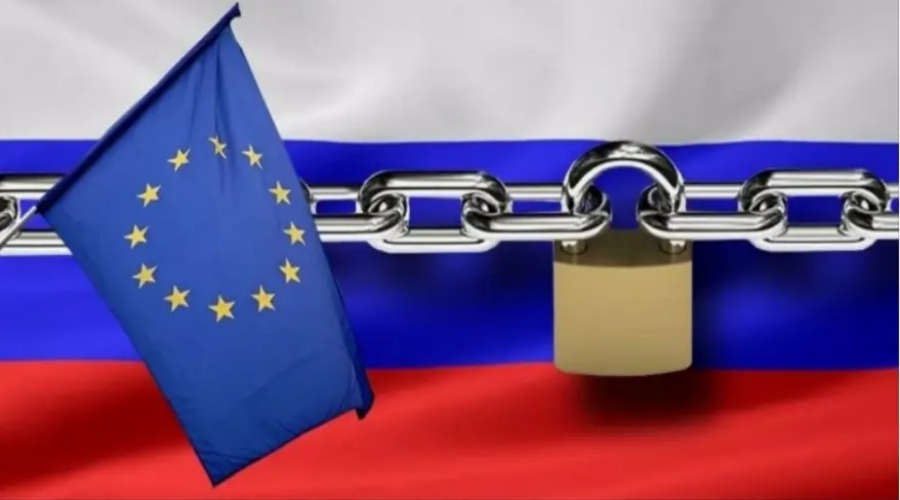
The EU is getting ready to target 11 crypto platforms in its next sanctions package, according to Kaja Kallas, the bloc’s High Representative for Foreign Affairs. For high-risk payment operators, the useful detail is not the politics; it’s that Brussels is widening the net beyond banks and into crypto rails used to move value around existing restrictions.
- Kallas said the EU plans to include restrictions on 11 crypto platforms in the 21st sanctions package. She did not name the platforms, but said European officials believe these services help Russian authorities and businesses bypass international sanctions.
- The new measures will also tighten the ban on providing crypto-asset-related services to a number of third countries, while expanding sanctions lists and banning transactions with the 11 crypto platforms.
- Ursula von der Leyen, President of the European Commission, said the package is meant to increase pressure on structures that help Russia retain access to international financial operations. In other words, the target set is not limited to obvious fiat channels.
- Officials also indicated that traditional finance will be hit. Around 90 Russian banks could face additional restrictions, and 31 of them may be subject to a full transaction ban.
- This is not the EU’s first move in this direction. In its 20th sanctions package, the bloc imposed sanctions on providers and platforms registered in Russia that allow the transfer and exchange of cryptocurrencies. That ban entered into force on 24 May.
For PSPs, acquirers, and banks, the pattern is clear: crypto services are no longer being treated as a side channel. They are now in the same sanctions frame as correspondent banking, with named transaction bans and a growing list of covered jurisdictions and entities.
Related news
All news →


Weekly high-risk digest
Regulation, sanctions and payment news across your verticals — once a week, free.
Please check your inbox and click the link to confirm your subscription.
Please enter a valid email address!