Bets, regulation and the cost of populism for companies that followed the law in Brazil
Brazil set the rules, charged licensing fees, and required operators to build for a regulated betting market. Now the possibility of a provisional measure banning online games or restricting sports betting would put those same companies in the crosshairs of an abrupt change in operating conditions.
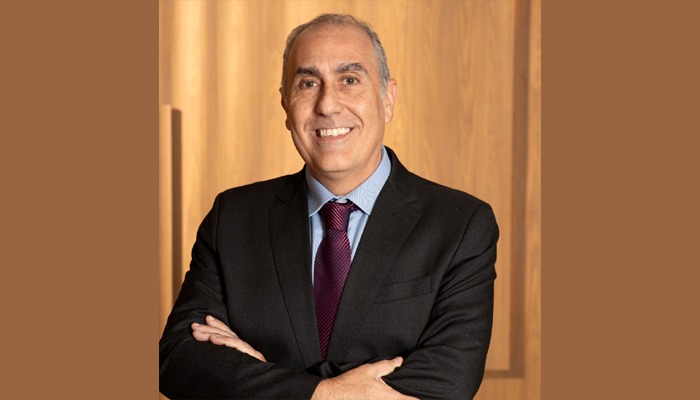
- José Frederico Manssur argues that the debate should start with a basic question: what predictability does the state offer to operators that chose to comply with the law? The companies paid million-dollar licensing fees, hired staff, and invested in technology and controls after Brazil established its regulatory framework.
- He says the discussion must distinguish between verticals. A ban on online casinos would hit companies authorized to offer those games directly, even if sports betting were left in place. Restrictions on sports betting would have different effects depending on whether they targeted operations, advertising, or sponsorships. Treating these as one single measure, he writes, would blur the actual impact.
- The Brazilian Responsible Gambling Institute had already described the Brazilian license as among the most expensive in the world, compared with other markets, during the regulatory debate. Manssur’s point is that any new policy has to account for the investments operators already made and the obligations they already accepted.
- He also says the law may need adjustments, especially on advertising and the role of digital influencers. On top of that, public policy is needed to prevent and treat gambling addiction. Those are enforcement and policy problems, not arguments for pretending a ban will fix everything.
- In his view, banning authorized operators would not make demand disappear. The risk is that users move to illegal platforms, the state loses visibility into activity, and protection mechanisms weaken. He adds that match-fixing did not begin with regulation; regulated markets at least let authorities demand controls, monitor operations, and require operator cooperation in identifying irregularities.
For high-risk PSPs, the useful takeaway is simple: when a government moves from licensing to prohibition, the commercial model is not the only thing at risk. Settlement flows, monitoring tools, sponsorship structures, and compliance investments can all become stranded overnight if the policy logic changes faster than the market can adapt.
Related news
All news →
Buenos Aires lawmakers move 22 online gambling bills toward a common anti-addiction framework
:strip_icc()/i.s3.glbimg.com/v1/AUTH_63b422c2caee4269b8b34177e8876b93/internal_photos/bs/2026/T/H/JG2aeCRNCwoFlHLdFAdQ/foto15fin-101-pix-c6.jpg)
Brazil’s Central Bank revises mandatory Pix participation rules and sets July 2027 for Pix Automático on salary accounts
:strip_exif()/i.s3.glbimg.com/v1/AUTH_da025474c0c44edd99332dddb09cabe8/internal_photos/bs/2026/a/v/iT4a9AQMaZvGNusxDJJg/113284325-rio-de-janeiro-rj-11-12-2025-foto-pix-e-qr-code-pagamento-via-banco-digital-foto-juli.jpg)
Brazil’s Central Bank allows Pix Automático on salary accounts and sets new rules against duplicate payments
Weekly high-risk digest
Regulation, sanctions and payment news across your verticals — once a week, free.
Please check your inbox and click the link to confirm your subscription.
Please enter a valid email address!