Brazil steps up scrutiny as illegal betting channels on Telegram reach more than 1 million subscribers
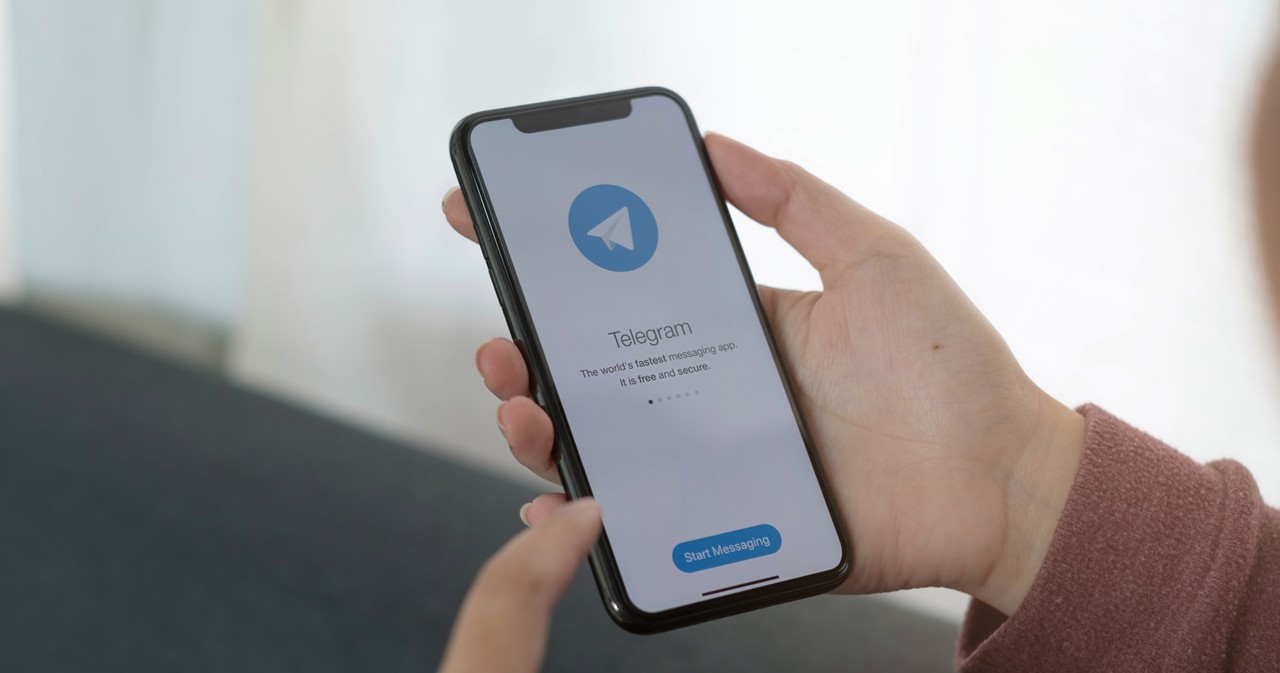
An Estadão investigation found that eight fixed-odds betting platforms operating without authorization in Brazil have more than 1 million subscribers across multiple Telegram channels. For regulated PSPs and operators, the point is simple: illegal traffic is not staying on websites anymore, it is being pushed through messaging apps and social platforms where enforcement is harder.
- According to the report, these Telegram channels work as both advertising boards and traffic funnels, redirecting users to sports betting and slot sites that do not have authorization from the Secretaria de Premios e Apostas of the Ministério da Fazenda (SPA/MF), the authority responsible for licensing and supervising the sector in Brazil.
- The marketing pattern described by Estadão is aggressive: high-return promises, welcome bonuses, and messages built to push people into placing bets. That sits in direct contrast to the regulated market, which must follow responsible gambling rules and explicitly warn that betting is not an investment, as the Ministério da Fazenda set out last month.
- The bigger operational issue for Brazilian authorities is that domain blocking only goes so far. When direct access to certain sites is restricted, illegal operators shift to messaging apps and social networks to keep in touch with potential customers and send traffic back to their pages. In practice, the domain can disappear while the funnel stays open.
- The same investigation highlighted a sharp difference in age verification. In the licensed market, SPA rules require Know Your Customer (KYC) checks using CPF, full name, date of birth, and identity verification through facial recognition. On the unlicensed platforms reviewed by Estadão, age control was usually reduced to a self-declared adulthood checkbox, often pre-ticked by default; one of the platforms did not even have that minimum filter.
- Luiz Felipe Santoro, president of the Comissão de Direito dos Jogos, Apostas e Jogo Responsável of OAB-SP, warned that the absence of responsible gambling tools on these sites can make it easier for people with gambling-related disorders to access them, on top of the weak age controls. The same report also found user complaints about withdrawals being delayed and, in some cases, conditioned on making additional deposits, along with ads showing supposed transfer receipts and large prize payments.
For payment providers, Brazil is showing the familiar pattern: if the merchant side is blocked, the acquisition funnel moves to Telegram, social media, and other hard-to-police channels. That matters because the compliance risk is no longer just about the site itself; it is about where traffic originates, how users are onboarded, and whether the operator can actually pass the KYC and responsible gambling checks that the regulated market is required to enforce.
Related news
All news →/https://i.s3.glbimg.com/v1/AUTH_da025474c0c44edd99332dddb09cabe8/internal_photos/bs/2026/L/J/OZVMngRe2FvPpOEnH7Vg/montagem-1790386347219.jpg)
/https://i.s3.glbimg.com/v1/AUTH_da025474c0c44edd99332dddb09cabe8/internal_photos/bs/2026/U/B/NH0uHEQtmnFndtEzlZMg/116364152-politica-sao-paulo-sp-25-09-2026-presidente-lula-e-ministros-anuncia-o-fim-das-bets.-1-.jpg)
/https://i.s3.glbimg.com/v1/AUTH_59edd422c0c84a879bd37670ae4f538a/internal_photos/bs/2026/A/p/L58ldMTFADaFzlfGyVEw/globo-canal-4-20260925-2000-frame-166811.jpeg)
Weekly high-risk digest
Regulation, sanctions and payment news across your verticals — once a week, free.
Please check your inbox and click the link to confirm your subscription.
Please enter a valid email address!