Brazil bans online fixed-odds betting and ends the regulated market
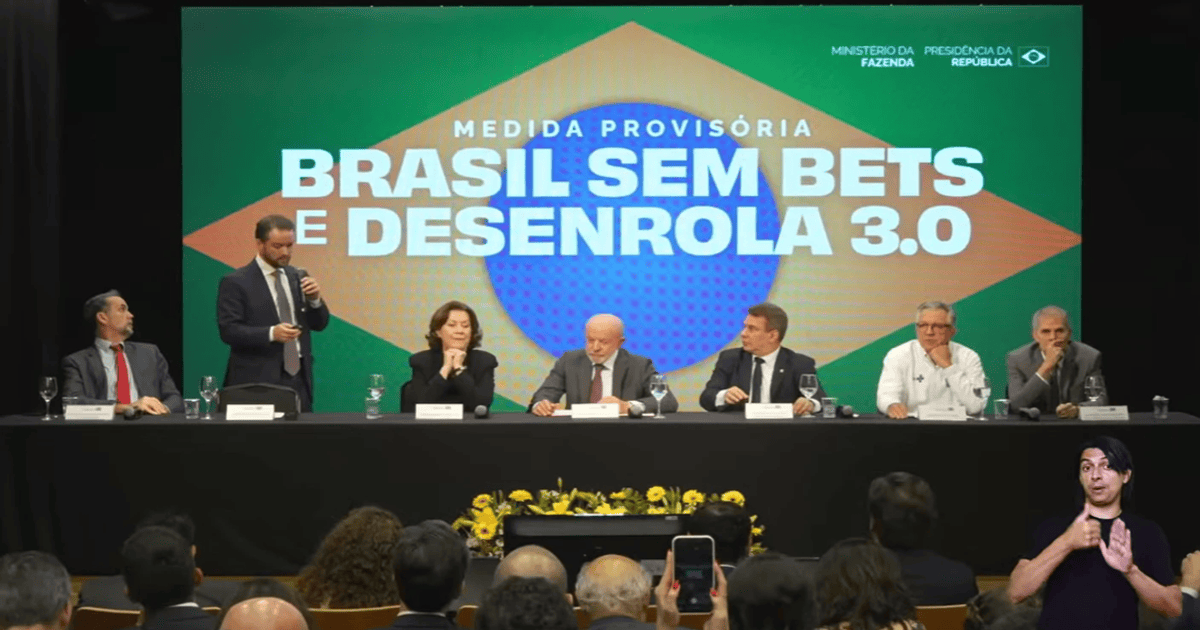
Brazil has reversed course on fixed-odds betting: on September 25, President Luiz Inácio Lula da Silva signed a provisional measure that bans the exploitation, offering, brokering, and advertising of fixed-odds bets across the country, including online casinos and games such as the so-called “Tigrinho.” For PSPs and operators, the practical issue is not just the ban itself, but the short timetable for shutting down deposits, returning balances, and unwinding banking relationships.
- The measure overturns the framework Brazil’s own government approved in December 2023 and that took effect in January 2025. In other words, the regulated market existed long enough for operators to pay for licences and then got switched off by provisional measure.
- Licences will expire 30 days after publication, and the state will not compensate operators. Each company had paid about R$30 million (approximately US$5,6 million) for a five-year authorization. The text says the expiry is based on public-interest grounds and does not create any right to reimbursement or indemnification. Operators, however, must keep their tax obligations, data-reporting duties, and record-retention obligations for at least five years.
- Since the law entered into force, licence revenue in Brazil has totalled around R$2,5 million (about US$463.000). That is a small number next to the authorization fees themselves, which is a reminder that early-stage regulatory revenue does not equal a stable market.
- The provisional measure takes effect immediately in Brazil, but it still needs congressional approval within 120 days to remain in force. From publication, new deposits are prohibited. Users have until 23:59 on Monday, October 5, to withdraw funds; the following day, platforms must be disconnected.
- Between October 7 and 8, operators must report outstanding user balances to banks, and refunds will be processed from October 9 to 14. If a bank cannot complete the refund, Caixa Econômica Federal will take over the process from October 14. Advertising is also banned immediately, with a 10-day deadline to remove ads and sponsorships.
The government tied the move to household debt and health costs. It said at least 82% of families in Brazil have some outstanding or overdue debt. A 2025 report by the Institute of Health Policy Studies estimated the annual social cost of gambling at R$38,8 million (about US$7,2 million), including R$30,6 million (around US$5,7 million) for healthcare. Official figures cited by the executive branch say public-health visits linked to gambling problems rose 140% between 2018 and 2025 in Brazil.
Alongside the ban, the government launched Desenrola Brasil 3.0, a program to buy old credit-card and loan debts at a discount.
Related news
All news →
Weekly high-risk digest
Regulation, sanctions and payment news across your verticals — once a week, free.
Please check your inbox and click the link to confirm your subscription.
Please enter a valid email address!