Prediction markets drew a Texas Senate hearing as AGA urged a lawsuit and Kalshi pointed to offshore alternatives
Texas is already one of the biggest sources of prediction-market volume in the US, so when the state Senate started asking whether sports event contracts are just sports betting in a different wrapper, the answer matters well beyond Austin. The immediate question for PSPs and platform operators is simple: if Texas treats these contracts as gambling, what happens to access, counterparties, and the offshore alternatives that tend to appear when a regulated route gets squeezed?
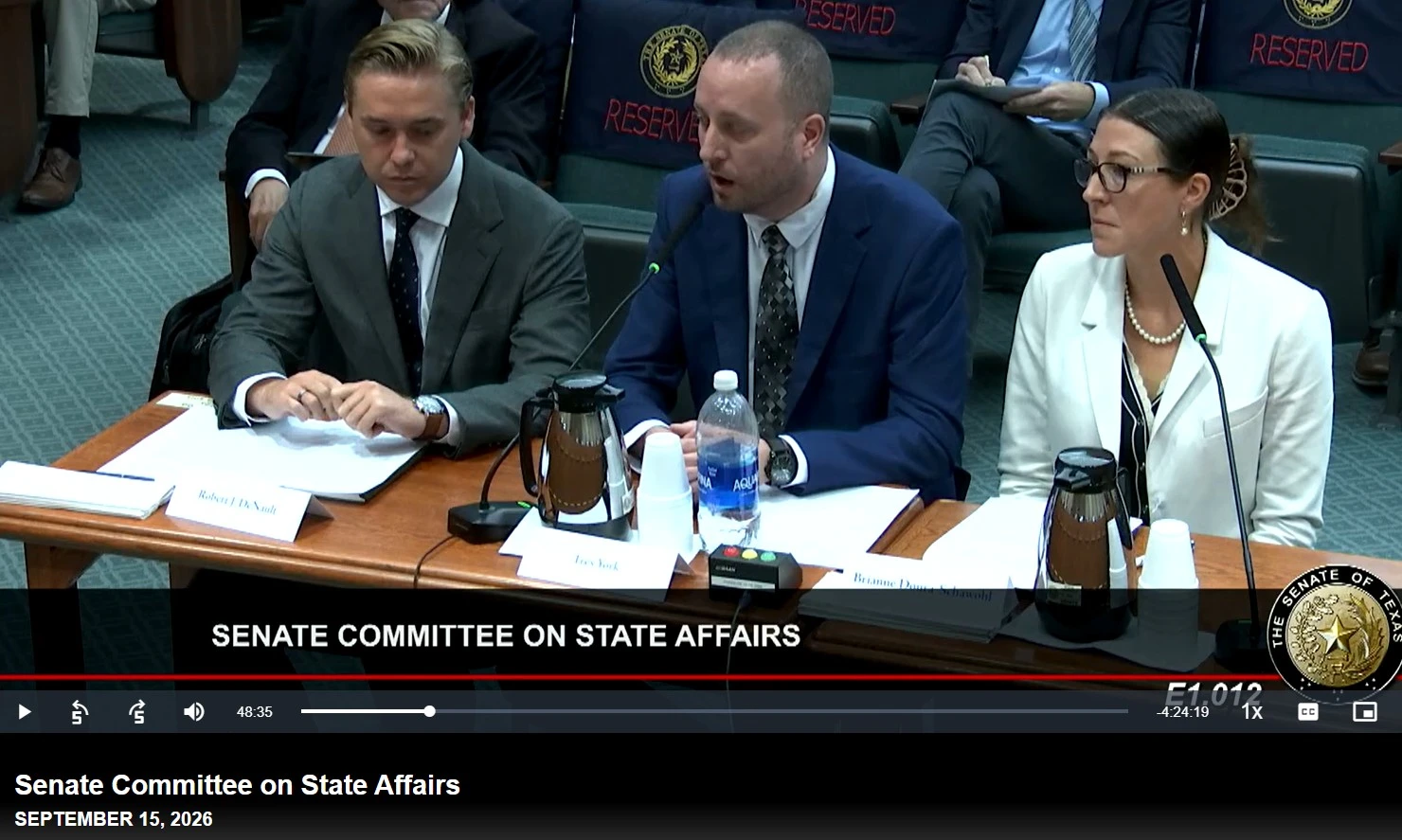
- The hearing took place in the Texas Senate Committee on State Affairs and lasted 62 minutes. It was convened by Texas state Senator Bryan Hughes and focused on the relationship between federally regulated derivatives markets and state-prohibited gambling. The lineup was blunt: Kalshi on one side, and Tres York, Vice President at the American Gaming Association (AGA), on the other.
- The AGA, which has become one of the loudest critics of prediction markets, argued that an event contract on the Dallas Cowboys beating the New York Giants is not fundamentally different from the same wager placed at a sportsbook. In the AGA’s view, Texas should sue prediction markets. For operators, that is the key regulatory signal: the fight is no longer abstract policy debate, but active litigation positioning.
- Kalshi’s Robert DeNault, who heads enforcement and legal counsel, warned legislators about offshore alternatives. That matters because the commercial impact of a crackdown rarely ends with the domestic venue being challenged; users and volume tend to migrate to substitutes, and in high-risk categories that usually means less visibility, less control, and a messier payments stack.
- The volume backdrop in Texas is already heavy. Last Sunday, trading activity for the NFL matchup between the Cowboys and the Giants topped $208 million across US markets, according to Aldrin Research. On Kalshi, volume for the NFC East game on Sunday Night Football eclipsed that of any NFL regular-season game last year. A separate Texas-heavy sports example also stood out: when Ohio State faced Texas in a Top 5 matchup on 12 September, volume surpassed 50.7 million contracts, according to Odds Shopper.
- Texas is not a small test case. Eilers & Krejcik Gaming found in April that 43% of activity from sports-event contracts came from two states, Texas and California. There is no publicly available breakout for Texas alone, but that concentration is enough to explain why the state is now a central battleground for prediction markets.
The political calendar only adds pressure. Greg Abbott is up for re-election in November, Dan Patrick is also up for re-election, and Patrick is both lieutenant governor and president of the Texas Senate. The state has tried several times to legalise sports wagering since the 2018 PASPA decision, and before 2027 the governor, attorney general, and US Senate races will all help shape how Texas approaches prediction markets.
Related news
All news →


Weekly high-risk digest
Regulation, sanctions and payment news across your verticals — once a week, free.
Please check your inbox and click the link to confirm your subscription.
Please enter a valid email address!