Casinos, Tribes, and Unions Urge Senate to Ban Sports Betting in the Clarity Act

A coalition of more than 50 gaming associations, tribal governments, and labor unions sent a letter to the Senate on June 16, asking lawmakers to add explicit language to the Digital Asset Market Clarity Act that would stop prediction markets from offering sports and casino-style event contracts. For PSPs and other payment providers serving high-risk verticals, the point is simple: if Congress draws the line here, it could change which betting-like products can keep operating under CFTC oversight.
- The letter targets platforms such as Polymarket and Kalshi, which have built substantial real-money event contract businesses under CFTC (Commodity Futures Trading Commission) oversight. The coalition wants the Clarity Act to make clear that prediction markets should not be able to offer contracts tied to sports or casino-style outcomes.
- Signatories include the American Gaming Association (AGA), the Indian Gaming Association (IGA), and UNITE HERE, which represents 300,000 hotel, gaming, and food-service workers across the U.S. and Canada. In other words, this is not a narrow trade complaint from one corner of the industry; it is a coordinated push from commercial gaming, tribal gaming, and labor.
- The coalition argues that prediction market platforms have engineered the largest expansion of gambling in U.S. history over the past 18 months without state authorization, legislative approval, or meaningful consumer protections. That is the legal and policy framing behind the request: these contracts may look like financial products on paper, but the groups want Congress to treat sports and casino-style betting as gambling, not as a loophole.
- The core argument, as presented in the letter, is that the CFTC was never built to police gambling. That matters because the current debate is not just about one or two platforms; it is about whether event contracts can sit inside a commodities-regulatory wrapper while functioning like bets on sports and casino outcomes.
For operators and payment providers, this kind of language in the Clarity Act would matter because it would shape where product boundaries sit: inside a regulated derivatives framework or outside it. When lawmakers start spelling out what prediction markets cannot do, the knock-on effect is usually on licensing strategy, banking comfort, and which merchant categories can stay open without attracting a regulatory fight.
Related news
All news →
Brazil’s registered bettors rose 75% to 43.8 million by August 2026, but active users fell 7.6% in H1

Russia’s Crypto Exchange Market Is Moving Into a Transition Period, and Three Paths Are Left for Operators
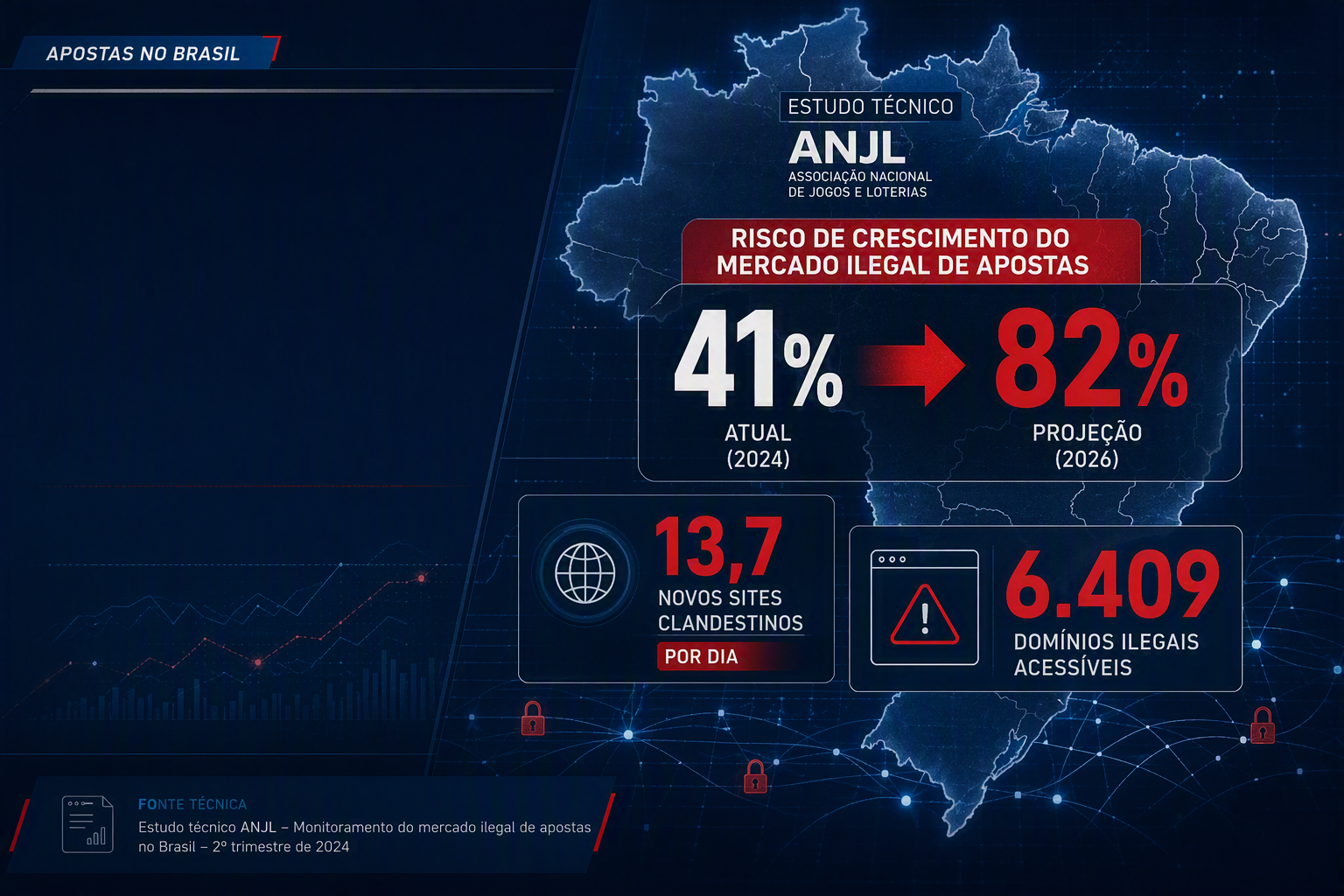
Brazilian betting ban could push illegal gambling share from 41% to 82%, ANJL says
Weekly high-risk digest
Regulation, sanctions and payment news across your verticals — once a week, free.
Please check your inbox and click the link to confirm your subscription.
Please enter a valid email address!