Bank of Russia to block anonymous crypto transactions, with brokers and digital asset operators also in scope
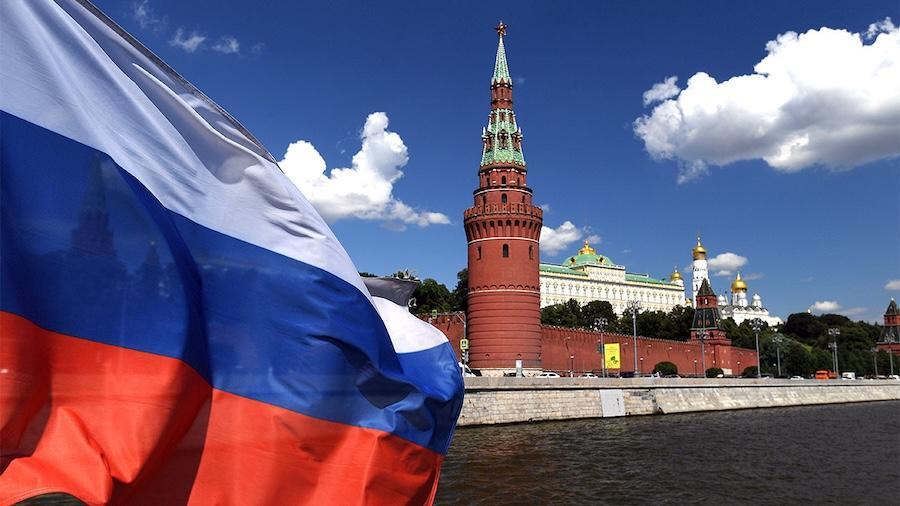
The Bank of Russia is moving to require automatic blocking of anonymous crypto transfers inside the “Russian circuit.” The draft also brings brokers, trust managers, and operators of digital financial assets (digital financial assets, CFA) into scope, which matters for any PSP or exchange that has to decide how much identity data it can actually collect before a transfer hits the wall.
- Under the draft regulation, crypto transfers inside the Russian “circuit” will be allowed only if the full set of participant data is available. If the data is missing, the depository will not credit the funds and must automatically block the transaction.
- For transactions up to 60,000 rubles, a basic data set will be enough: last name, first name, and crypto wallet. For transfers above that threshold, the required package becomes broader and includes tax ID number (INN) and date of birth for the parties to the deal.
- The central bank plans to connect digital depositories to its “Know Your Customer” (KYC) platform. The system assigns clients a trust rating based on transaction history, and if a client is placed in a high-risk group, the platform must restrict that client’s operations. The same model already applies to banks.
- Crypto exchanges are mentioned in the document, but the specific control procedure for them has not yet been set out. According to the draft of the Bank of Russia’s regulation, the rules for this category are still being developed.
- Rosfinmonitoring, Russia’s main financial surveillance agency, has been given the authority to monitor all crypto transactions. For crypto operations above 60,000 rubles, as well as foreign trade transactions involving crypto above 1 million rubles, it plans to collect an expanded data set.
For high-risk operators, the practical point is simple: Russia is moving from “collect some KYC” to “block first, ask questions later” for any transfer that does not come with the required identity package. That raises the bar not just for onboarding, but for keeping the transaction chain intact end to end.
Related news
All news →
Brazil’s sudden betting ban puts more than R$ 9 billion in federal tax revenue, R$ 30 million licence fees, and billions in sponsorship contracts back in play
Dutch regulator to work with Meta and Google on a whitelist of iGaming operators
Weekly iGaming licensing roundup: New Zealand advances 11 bidders, Wildz gets Finland’s first online licence, and Louisiana delays DraftKings renewal
Weekly high-risk digest
Regulation, sanctions and payment news across your verticals — once a week, free.
Please check your inbox and click the link to confirm your subscription.
Please enter a valid email address!