Brazil’s STF weighs criminal gambling ban as Luiz Fux backs the 1941 decree and 2,728 cases hang in the balance
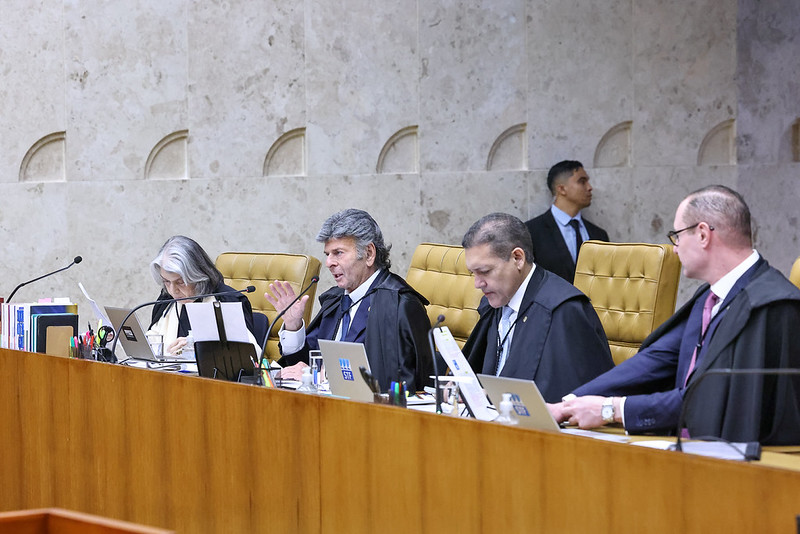
The Brazilian Supreme Federal Court (STF) opened a review on Wednesday (5/8) that could decide whether the criminalization of gambling under a 1941 decree-law still survives under the 1988 Constitution. For high-risk payments players, the practical issue is simple: this is a ruling that can reshape how Brazil draws the line between licensed gaming, sports betting, online gambling, and outright prohibited gambling.
- Relator Luiz Fux delivered the first part of his vote in favor of keeping the criminal ban in place. He said the prohibition was received by the 1988 Constitution and argued that criminal law should only be set aside in exceptional cases, when there is a clear violation of human rights.
- The case is
Recurso Extraordinário 966177, listed asTema 924under general repercussion. Whatever rule the STF settles on will affect 2,728 suspended cases across all levels of the country, so this is not a narrow criminal-law dispute; it is a system-wide one. - Fux framed the case around a merchant in São Leopoldo, Rio Grande do Sul, who was operating caça-níqueis (slot machines) in a commercial establishment. The lower criminal special-courts panel had acquitted him on the view that the 1988 Constitution made the criminal provision incompatible with current law. The Public Prosecutor’s Office of Rio Grande do Sul appealed, and that appeal is what brought the matter to the STF.
- In his reasoning, Fux relied on proportionality and said the ban is needed to protect fundamental legal interests. He also cited examples of violence and organized crime activity in Rio de Janeiro, Mato Grosso do Sul, and Paraná, arguing that gambling operations can serve as a cover for money laundering and drug trafficking financing. In his words, gambling has reached a “galopante” dimension and created disputes that “represent high criminality.”
- Fux also linked the discussion to the current market reality, saying gambling has evolved to include the so-called bets, which he described as having “gravissímos” effects. He did not finish his vote on Wednesday, and the STF postponed the conclusion of the judgment to Thursday.
For PSPs, acquirers, and banks touching Brazil’s gaming stack, the important detail is not just whether betting and online gaming are regulated. It is that Brazil’s top court is still testing how far the state can go in criminalizing gambling conduct while also authorizing lotteries, regulating sports betting and online games, and collecting revenue from those same activities.
Related news
All news →:strip_exif()/i.s3.glbimg.com/v1/AUTH_bc8228b6673f488aa253bbcb03c80ec5/internal_photos/bs/2026/T/U/EbH3s8SuAcgyHE9hwakA/248901.jpg)
Adult site Fatal Model offers R$ 120 million to replace Esportes da Sorte as Corinthians’ main sponsor
/https://i.s3.glbimg.com/v1/AUTH_da025474c0c44edd99332dddb09cabe8/internal_photos/bs/2026/a/4/JZgMamSDu4CIUNPUsAQg/116359810-ec-rio-de-janeiro-rj-25-09-2026-fim-das-bets-no-brasil-local-gavea.-footo-marcelo.jpg)
Specialists call for a stronger SUS response as gambling addiction cases climb in Brazil
:strip_exif()/i.s3.glbimg.com/v1/AUTH_da025474c0c44edd99332dddb09cabe8/internal_photos/bs/2026/B/5/oVATTjQpWcrAszB1Lm8w/116363444-sao-paulo-25-09-2026-bets-proibicao-o-presidente-luiz-inacio-lula-da-silva-pt-a.jpg)
Brazil’s Fazenda estimates R$ 1.7 billion in betting balances may be withdrawn before October 5
Weekly high-risk digest
Regulation, sanctions and payment news across your verticals — once a week, free.
Please check your inbox and click the link to confirm your subscription.
Please enter a valid email address!