Brazil’s STF reviews gambling law, raising a risk of legal confusion for regulated betting and online gaming
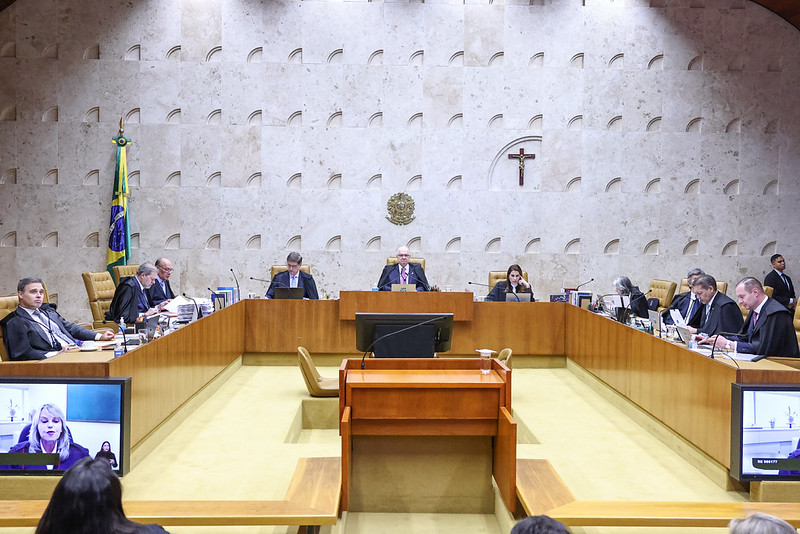
The Brazilian Supreme Federal Court (STF) has started a case that could redraw the legal boundary between old gambling prohibitions and the newer framework for fixed-odds betting and online games. For operators and PSPs, the issue is not abstract: a bad read here can blur what is banned, what is licensed, and what falls into the gray zone.
- The STF is hearing an appeal against a decision by the Rio Grande do Sul Court of Justice (TJRS), which ruled that Article 50 of the 1941 Law of Penal Contraventions (LCP) should not apply in this context. Article 50 prohibits setting up or operating games of chance in Brazil, and the case is being reported by Justice Luiz Fux.
- The core problem is a clash between two different legal regimes: the LCP from 1941 and the laws passed from 2018 onward that created and regulated fixed-odds betting and online gaming in Brazil. That is where the legal mess starts — on paper these are separate frameworks, in practice a court ruling can make them look like one unresolved prohibition regime.
- According to lawyer Guilherme Stumpf, who wrote about the case in Estadão, the STF risks making one of two opposite mistakes, both with direct consequences for operators and bettors working under the legally authorized regime. The TJRS said gambling activity was protected by individual liberties and free enterprise, and also argued that the original decree-law’s references to “good customs” and the “moral, legal and religious tradition of the Brazilian people” are incompatible with the 1988 Constitution.
- Stumpf argues that the historic ban on gambling created a clandestine market that does not pay taxes, encourages violence, and connects to criminal networks, but says fixing that problem is for Congress, not the judiciary. That distinction matters for payment providers: if the line between illegal and regulated activity gets blurred, banks and PSPs tend to tighten risk policies fast.
- The STF has dealt with similar questions before. In theme 113, it found that Article 25 of the LCP was not received by the Constitution; that provision punished possession of tools such as lock picks and fake keys by people previously convicted of theft or by individuals classified as “vagrants or beggars,” which the Court saw as violating human dignity and equality. In theme 857, by contrast, the STF upheld Article 19 on carrying a bladed weapon, saying enforcement must consider the concrete circumstances, the potential harm of the object, and the intent of the person involved.
For high-risk payment flows, the useful takeaway is simple: Brazil already has a regulated betting and online gaming framework, but an STF ruling that treats old gambling prohibitions too broadly could create avoidable friction for licensed operators, their acquirers, and their banking partners.
Related news
All news →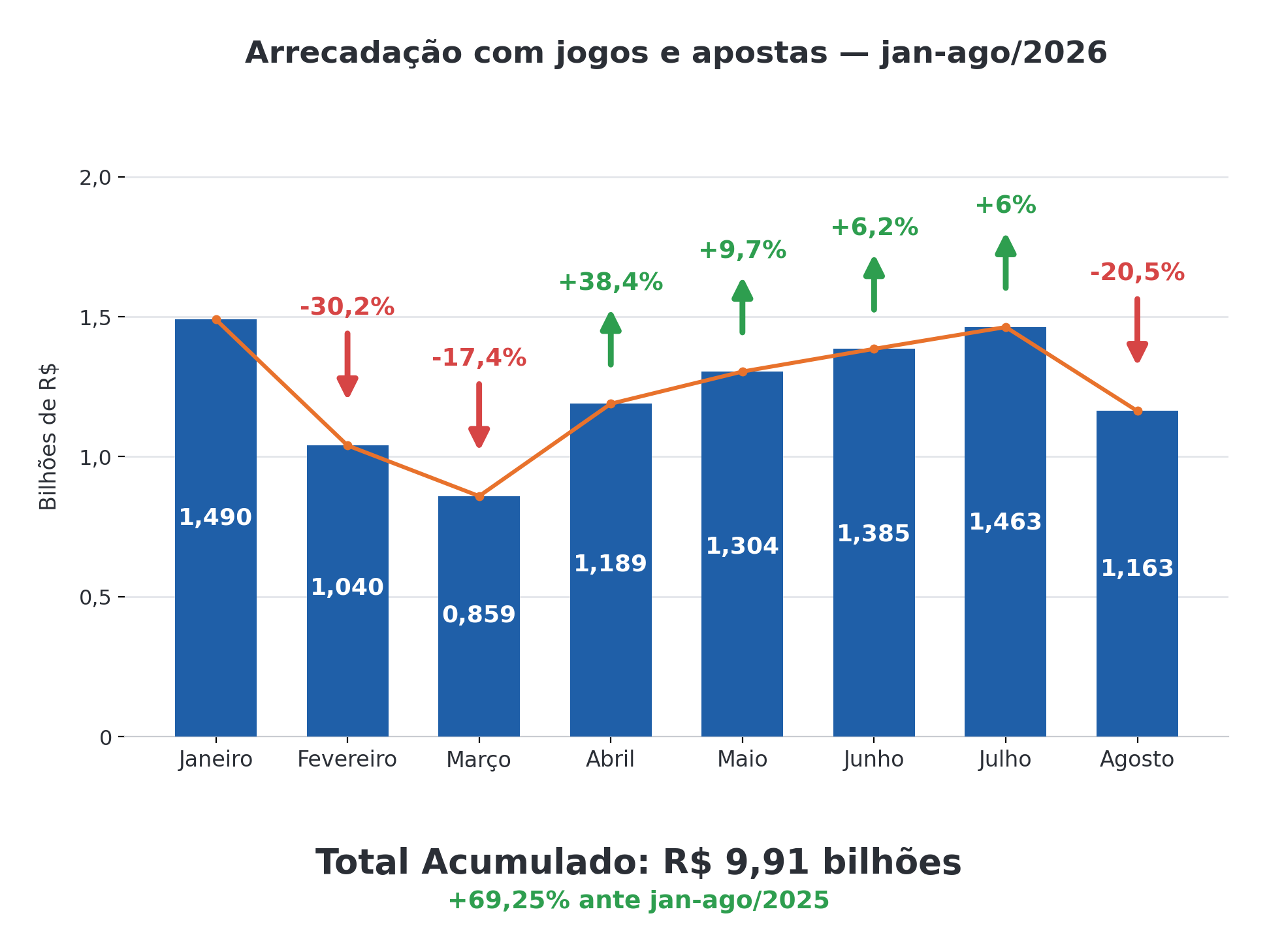
Brazil collected R$ 9.91 billion from betting and gambling taxes from January to August 2026

Sports betting sponsorships in Brazilian football reached R$ 1.03 billion in 2025 as clubs face R$ 17.3 billion in debt

First Dutch online gambling licence renewals confirmed ahead of 2026 expiry
Weekly high-risk digest
Regulation, sanctions and payment news across your verticals — once a week, free.
Please check your inbox and click the link to confirm your subscription.
Please enter a valid email address!